
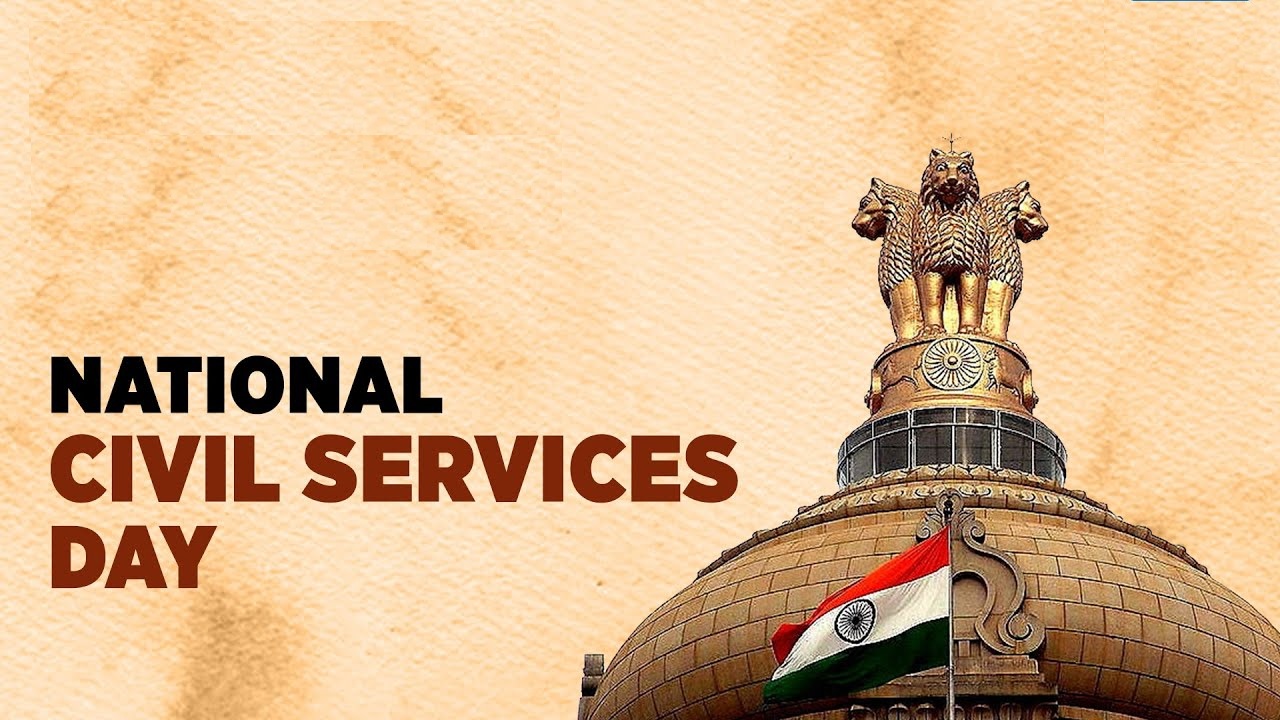
National Civil Services Day, observed annually on April 21, stands as a tribute to the tireless efforts of civil servants who shape India’s progress. This day highlights their pivotal role in policy execution, governance, and fostering inclusive growth. In 2025, the celebration emphasizes empowering citizens and reaching the last mile, aligning with India’s vision for equitable development. This comprehensive article delves into the significance, history, and impact of National Civil Services Day, offering insights into why it matters for aspiring bureaucrats and citizens alike.
What Is National Civil Services Day?
National Civil Services Day honors the contributions of civil servants who dedicate their careers to public service. Celebrated every April 21, it recognizes their role in advancing national development, implementing policies, and ensuring good governance. The day serves as a platform to express gratitude for their commitment to social equity, inclusive growth, and citizen welfare.
Civil servants, often referred to as the backbone of India’s administrative framework, bridge the gap between government policies and their on-ground execution. From district collectors to senior bureaucrats, their work influences millions of lives, making this day a moment to celebrate their unwavering loyalty to the nation.
Why April 21?
The choice of April 21 traces back to a historic moment in 1947 when Sardar Vallabhbhai Patel, India’s first Deputy Prime Minister, addressed probationary Administrative Services officers. He famously described civil services as the “steel frame of India,” emphasizing their critical role in nation-building. To commemorate this address, April 21 was designated as National Civil Services Day, with the first official celebration held in 2006 at Vigyan Bhavan, New Delhi.
The Significance of National Civil Services Day
National Civil Services Day is more than a ceremonial occasion; it’s a call to action for civil servants to recommit to excellence. The day underscores their dual role as policy executors and policymakers, shaping India’s socio-economic landscape. In 2025, the theme focuses on empowering citizens and reaching the last mile, reflecting the government’s commitment to inclusive and equitable growth.
Recognizing Contributions to Governance
Civil servants are the architects of effective governance. They ensure that government initiatives, from healthcare programs to infrastructure projects, reach every corner of the country. Their relentless efforts in executing policies have a transformative impact on communities, fostering development and social justice.
On this day, the Prime Minister presents Awards for Excellence to honor outstanding contributions. These awards motivate civil servants to continue their work with dedication, reinforcing the importance of their role in nation-building.
Promoting Social Equity and Inclusion
A core pillar of civil services is advocating for social equity. Civil servants work to bridge disparities, ensuring marginalized communities gain access to resources and opportunities. The 2025 theme of reaching the last mile highlights this mission, emphasizing efforts to uplift underserved populations and promote inclusive growth.
Inspiring Future Bureaucrats
For aspiring civil servants, National Civil Services Day is a source of inspiration. It showcases the impact of a career in public service, encouraging young minds to pursue roles that drive meaningful change. The day also fosters a sense of pride in the profession, motivating future bureaucrats to uphold the values of integrity, accountability, and service.
The Historical Context of National Civil Services Day
Understanding the history of National Civil Services Day provides deeper insight into its importance. The day’s origins are rooted in India’s post-independence era, when the nation was forging its identity and administrative framework.
Sardar Vallabhbhai Patel’s Vision
In 1947, Sardar Vallabhbhai Patel addressed the first batch of Administrative Services officers at the All India Administrative Service Training School in Metcalfe House, Delhi. His speech emphasized the indispensable role of civil servants in unifying and strengthening India. By calling them the “steel frame,” Patel underscored their responsibility to uphold the nation’s integrity and drive progress.
This historic address laid the foundation for the modern civil services, which continue to thrive as a cornerstone of India’s governance. Patel’s vision remains relevant, inspiring civil servants to serve with dedication and resilience.
The First Celebration in 2006
National Civil Services Day was officially inaugurated on April 21, 2006, at Vigyan Bhavan, New Delhi. The date was chosen to honor Patel’s 1947 address, marking a milestone in the recognition of civil servants’ contributions. Since then, the day has been celebrated annually, growing in prominence as a platform to highlight governance and public service excellence.
The Role of Civil Servants in India’s Development
Civil servants are the driving force behind India’s developmental agenda. Their work spans diverse sectors, from education and healthcare to infrastructure and environmental sustainability. By implementing policies and addressing grassroots challenges, they ensure that the government’s vision translates into tangible outcomes.
Policy Execution and Implementation
One of the primary responsibilities of civil servants is to execute government policies effectively. Whether it’s rolling out a nationwide vaccination drive or overseeing rural development schemes, their expertise ensures seamless implementation. They act as the link between policymakers and citizens, ensuring policies align with public needs.
Fostering Good Governance
Good governance is the hallmark of a progressive nation, and civil servants play a central role in achieving it. They uphold the rule of law, promote transparency, and ensure accountability in public administration. By fostering trust in governance, they strengthen the bond between the government and its citizens.
Driving Inclusive Growth
Inclusive growth is a priority for India, and civil servants are at the forefront of this mission. They work to ensure that development benefits reach every citizen, regardless of socio-economic status. Initiatives like rural electrification, affordable housing, and skill development programs reflect their commitment to creating a more equitable society.
National Civil Services Day 2025: Theme and Objectives
The 2025 theme, “Empowering Citizens, Reaching the Last Mile,” encapsulates the government’s vision for inclusive development. It emphasizes the role of civil servants in bridging gaps and ensuring that no citizen is left behind. This theme aligns with India’s broader goals of achieving prosperity and equity for all.
Empowering Citizens
Empowerment is at the heart of the 2025 theme. Civil servants are tasked with creating opportunities for citizens to thrive, whether through education, employment, or access to essential services. By empowering individuals, they contribute to a stronger, more resilient nation.
Reaching the Last Mile
The concept of “reaching the last mile” focuses on delivering services to the most remote and marginalized communities. Civil servants work tirelessly to overcome logistical and socio-economic barriers, ensuring that government schemes benefit even the most underserved populations. This objective underscores their commitment to inclusive growth and social justice.
Achieving Equitable Development
Equitable development is a cornerstone of India’s progress. The 2025 theme encourages civil servants to prioritize policies and initiatives that reduce disparities and promote fairness. By addressing challenges like poverty, illiteracy, and healthcare access, they pave the way for a more prosperous India.
How National Civil Services Day Inspires Excellence
National Civil Services Day is a reminder of the high standards expected of civil servants. It encourages them to rededicate themselves to public service and strive for excellence in their work. The day also fosters a culture of innovation, motivating civil servants to find creative solutions to complex challenges.
Awards for Excellence
The Prime Minister’s Awards for Excellence are a highlight of the celebrations. These awards recognize exceptional achievements in public administration, innovation, and service delivery. By honoring outstanding civil servants, the awards inspire others to emulate their dedication and impact.
Rededication to Public Service
On this day, civil servants renew their commitment to serving citizens. They reflect on their responsibilities and pledge to uphold the values of integrity, accountability, and compassion. This rededication strengthens their resolve to address emerging challenges and contribute to India’s growth.
Encouraging Innovation
Innovation is critical to addressing modern governance challenges. National Civil Services Day encourages civil servants to think outside the box, leveraging technology and data to improve service delivery. From digital governance platforms to sustainable development initiatives, their innovative approaches drive progress.
Challenges Faced by Civil Servants
While civil servants play a vital role in nation-building, they also face significant challenges. Understanding these obstacles provides a fuller picture of their dedication and resilience.
Balancing Policy and Public Expectations
Civil servants often navigate complex dynamics between government policies and public expectations. Striking a balance requires diplomacy, empathy, and strategic thinking. Despite these challenges, they work to ensure policies align with the greater good.
Addressing Resource Constraints
Limited resources, especially in rural areas, pose a hurdle to effective service delivery. Civil servants must optimize available resources while advocating for additional support to meet community needs. Their ability to innovate under constraints is a testament to their commitment.
Managing Bureaucratic Pressures
Bureaucratic systems can sometimes hinder swift decision-making. Civil servants must navigate red tape and procedural delays while maintaining efficiency. Their ability to streamline processes and drive results reflects their professionalism and determination.
The Future of Civil Services in India
As India evolves, so does the role of civil services. The future demands a new generation of civil servants equipped to tackle emerging challenges like climate change, urbanization, and digital transformation. National Civil Services Day serves as a platform to envision this future and inspire the next wave of public servants.
Embracing Technology and Innovation
Technology is reshaping governance, and civil servants must adapt to this shift. From e-governance platforms to data-driven policymaking, embracing technology will enhance efficiency and transparency. The future of civil services lies in leveraging these tools to deliver better outcomes.
Building a Citizen-Centric Approach
A citizen-centric approach is essential for effective governance. Future civil servants must prioritize public participation, ensuring policies reflect the needs and aspirations of citizens. National Civil Services Day reinforces this principle, encouraging a service-oriented mindset.
Preparing for Global Challenges
India’s role on the global stage is expanding, and civil servants must address international challenges like climate change and economic cooperation. By fostering global partnerships and sustainable practices, they can position India as a leader in the 21st century.
How to Celebrate National Civil Services Day
National Civil Services Day is an opportunity for citizens, aspiring bureaucrats, and civil servants to come together in appreciation of public service. Here are meaningful ways to celebrate:
Express Gratitude
Citizens can show appreciation for civil servants by acknowledging their contributions. Simple gestures, like thanking a local official or sharing positive stories on social media, can go a long way in boosting morale.
Engage in Community Service
Volunteering for community initiatives aligns with the spirit of public service. Whether it’s participating in a cleanliness drive or supporting a local NGO, these efforts reflect the values celebrated on this day.
Inspire the Next Generation
Aspiring civil servants can use this day to learn about the profession and its impact. Attending seminars, reading about successful bureaucrats, or preparing for competitive exams are ways to channel inspiration into action.
Conclusion: A Day to Honor and Inspire
National Civil Services Day, celebrated on April 21, is a testament to the dedication of India’s civil servants. From implementing policies to fostering inclusive growth, their contributions shape the nation’s future. The 2025 theme of empowering citizens and reaching the last mile underscores their commitment to equitable development. As we honor their work, we also inspire future generations to carry forward the legacy of public service, ensuring a stronger, more prosperous India for all.
By celebrating National Civil Services Day, we recognize the steel frame of India—its civil servants—who tirelessly work to build a better tomorrow. Let’s continue to support and appreciate their efforts, fostering a culture of excellence and service that drives national progress.