
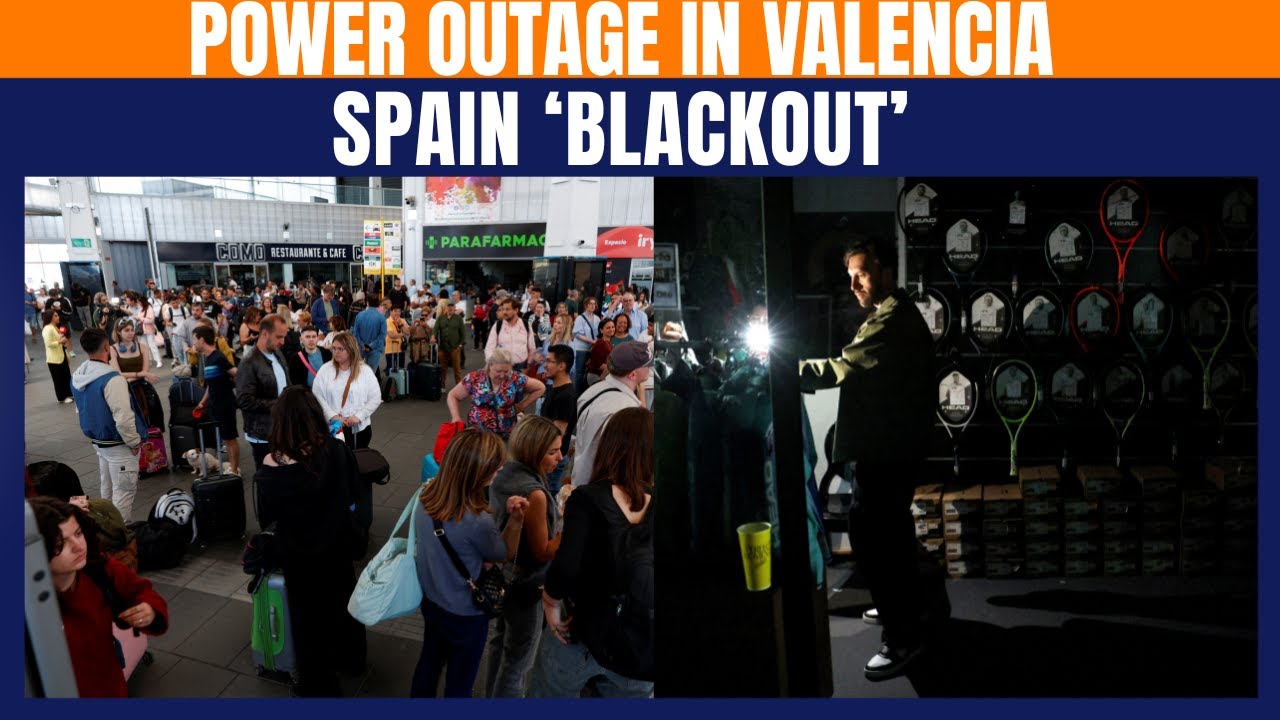
A Region in Darkness: The Scale of the Blackout
On the morning of April 28, 2025, at approximately 11:30 AM GMT, vast swathes of Spain and Portugal lost power in a sudden and widespread blackout. The outage affected critical infrastructure, from traffic lights to public transportation systems, plunging major cities into chaos. In Madrid, footage captured scenes of gridlocked streets as non-functional traffic lights left drivers navigating blindly. Lisbon, Portugal’s capital, faced similar turmoil, with pedestrians and vehicles struggling to move through darkened intersections.
The Spanish power grid operator, Red Eléctrica, confirmed the blackout’s national scope, noting that the entire Iberian Peninsula bore the brunt of the crisis. With a combined population exceeding 50 million, the outage disrupted the lives of countless residents, businesses, and visitors. Reports also surfaced of brief power losses in parts of France, hinting at a broader European grid issue, though the Iberian Peninsula remained the epicenter.
Why This Blackout Matters
The scale of this outage underscores the vulnerability of modern power grids, even in developed nations. Spain and Portugal rely heavily on interconnected electrical systems to power their economies, healthcare systems, and transportation networks. When these systems fail, the ripple effects are immediate and far-reaching, impacting everything from daily commutes to international travel. Understanding the causes and consequences of this blackout is crucial for preventing future disruptions.
Unraveling the Cause: What Triggered the Outage?
As of now, the precise cause of the blackout remains unclear, with authorities and grid operators working urgently to pinpoint the trigger. Red Eléctrica issued a statement via X, assuring the public that all resources are dedicated to resolving the crisis and analyzing its origins. Speculation abounds, with some experts suggesting a possible fault in the European power grid, while others point to extreme weather or technical failures as potential culprits.
Theories and Investigations
Posts on X highlighted conflicting explanations, with Portugal’s grid operator, REN, attributing the outage to a “rare atmospheric phenomenon” that caused “anomalous oscillations” in Spain’s high-voltage transmission lines. Meanwhile, Portugal’s Development Minister raised the possibility of a cyberattack, though no evidence has confirmed this theory. The Spanish government convened a crisis meeting at Red Eléctrica’s headquarters, with the Prime Minister and Energy Minister personally overseeing the response, signaling the severity of the situation.
The Role of the European Grid
The interconnected nature of Europe’s power grid means that a failure in one region can cascade across borders. Reports of brief outages in France suggest that the issue may have originated in or been exacerbated by the broader European network. Grid operators are now investigating whether a voltage imbalance, as suggested by Portugal’s E-Redes operator, played a role in the collapse. This complexity highlights the challenges of managing modern energy systems in an era of increasing demand and environmental pressures.
Chaos on the Ground: Immediate Impacts of the Blackout
The blackout’s effects were immediate and widespread, disrupting nearly every facet of daily life in Spain and Portugal. From transportation to sports events, the outage left no sector untouched, creating a domino effect of delays, cancellations, and confusion.
Gridlock and Evacuations in Major Cities
In Madrid, the failure of traffic lights led to chaotic scenes, with drivers navigating intersections without guidance. Spanish radio reported evacuations of Madrid’s underground metro system, as passengers were guided out of darkened stations. Lisbon faced similar challenges, with live footage showing pedestrians weaving through stalled traffic as the city grappled with the sudden loss of power.
The National Railway Company, Renfe, confirmed that Spain’s entire national electricity grid was severed, halting all train services. Departing trains were canceled, and passengers were stranded at stations across the country. The disruption to public transportation left commuters and travelers in limbo, with no clear timeline for service restoration.
Airports in Crisis
Spain’s busiest airport, Adolfo Suárez Madrid–Barajas, which handles over 66 million passengers annually, was severely impacted. While contingency generators kept some operations running, local media reported long queues and mounting frustration among travelers. The Spanish airport operator, AENA, acknowledged disruptions but emphasized efforts to maintain critical functions through backup systems.
The outage also affected air traffic control and airport operations in Portugal, with reports of delayed flights and logistical challenges. The aviation sector’s reliance on stable power underscores the broader economic implications of such disruptions, as delays ripple through global travel networks.
Unexpected Victims: The Madrid Open
In an unusual twist, the blackout forced the suspension of the Madrid Open, an annual clay court tennis tournament. The outage affected electronic scoreboards and a camera positioned in players’ lines of sight, rendering play impossible. British tennis player Jacob Fearnley was among those forced to leave the court, highlighting the outage’s far-reaching impact on even niche sectors like professional sports.
The Response: Efforts to Restore Power
Red Eléctrica and other energy companies are working around the clock to restore power, with updates suggesting that the hardest-hit areas could see electricity restored by the end of the day. The Spanish government’s crisis meeting at Red Eléctrica’s headquarters reflects the urgency of the situation, with top officials directly involved in coordinating the response.
Grid Operators Under Pressure
Red Eléctrica’s statement on X emphasized that all available resources are being deployed to address the crisis. The company is collaborating with energy providers across Spain and Portugal to analyze the blackout’s cause and prevent future occurrences. Portugal’s REN and E-Redes operators are similarly engaged, with teams working to stabilize the grid and restore power to affected regions.
Public Communication Challenges
The outage has also disrupted communication networks, with phone lines and internet services badly affected. Messages sent to Spain and Portugal are often failing to deliver, complicating efforts to share information with the public. This scarcity of real-time updates has fueled confusion and frustration, as residents and businesses await clarity on when normalcy will return.
Broader Implications: What This Means for Spain, Portugal, and Beyond
The blackout raises critical questions about the resilience of modern power grids and the vulnerabilities inherent in interconnected energy systems. As climate change intensifies and energy demands grow, outages like this one serve as a stark reminder of the need for robust infrastructure and contingency planning.
Economic Fallout
The economic impact of the blackout is likely to be significant, with disruptions to transportation, commerce, and tourism. Madrid–Barajas Airport’s role as a major international hub means that flight delays could have global repercussions, while halted train services disrupt supply chains and commuter networks. Businesses, particularly those reliant on digital infrastructure, face losses from downtime and reduced productivity.
The suspension of events like the Madrid Open also highlights the outage’s effect on cultural and sporting institutions, which contribute significantly to local economies. The full extent of the economic damage will become clearer as recovery efforts progress, but the immediate costs are already substantial.
Infrastructure Vulnerabilities
The outage exposes vulnerabilities in Spain and Portugal’s power infrastructure, particularly their reliance on a shared Iberian grid. While interconnection allows for efficient energy distribution, it also means that failures can cascade across borders, amplifying their impact. The brief outages reported in France suggest that the European grid as a whole may need reevaluation to prevent similar crises in the future.
Environmental and Technological Factors
Speculation about a “rare atmospheric phenomenon” or extreme temperature swings in Spain points to the growing influence of environmental factors on power systems. Climate change is increasing the frequency of extreme weather events, which can strain aging infrastructure. Additionally, the unconfirmed mention of a possible cyberattack raises concerns about the security of digital energy systems, which are increasingly targeted by malicious actors.
Looking Ahead: Preventing Future Blackouts
As Spain and Portugal work to restore power, attention is turning to how such a widespread outage can be prevented in the future. Strengthening grid resilience, diversifying energy sources, and investing in modern infrastructure are critical steps toward ensuring stability.
Upgrading Grid Infrastructure
Aging power grids are ill-equipped to handle the demands of modern economies, particularly in the face of climate-driven challenges. Spain and Portugal must prioritize investments in smart grids, which use advanced sensors and automation to detect and respond to issues in real time. Upgrading transmission lines and substations can also reduce the risk of failures caused by overloading or environmental factors.
Diversifying Energy Sources
Both countries have made strides in renewable energy, with Spain and Portugal boasting significant solar and wind capacity. However, overreliance on any single energy source—whether fossil fuels or renewables—can create vulnerabilities. A balanced energy mix, coupled with robust storage solutions like batteries, can ensure stability during peak demand or unexpected disruptions.
Enhancing Cybersecurity
The unconfirmed suggestion of a cyberattack underscores the need for robust cybersecurity measures in the energy sector. Grid operators must implement advanced encryption, intrusion detection systems, and regular security audits to protect critical infrastructure from digital threats. International cooperation is also essential, as cyberattacks often cross borders and require coordinated responses.
Building Public Resilience
Public preparedness is another key factor in mitigating the impact of outages. Governments and utilities should educate residents on emergency protocols, such as maintaining backup power sources or conserving energy during crises. Community-level initiatives, like microgrids, can also provide localized power during widespread outages, reducing dependence on national grids.
Conclusion: A Wake-Up Call for the Iberian Peninsula
The massive power outage that struck Spain and Portugal on April 28, 2025, serves as a sobering reminder of the fragility of modern energy systems. From gridlocked streets to stranded travelers and suspended tennis matches, the blackout’s effects were felt across every sector of society. While grid operators and governments are working tirelessly to restore power, the crisis highlights the urgent need for investment in resilient infrastructure, diversified energy sources, and robust cybersecurity.
As the Iberian Peninsula recovers, the lessons learned from this outage must guide future planning. By addressing the vulnerabilities exposed by this crisis, Spain, Portugal, and their European neighbors can build a more reliable and sustainable energy future. For now, the focus remains on restoring normalcy to millions of lives disrupted by a day of darkness.