
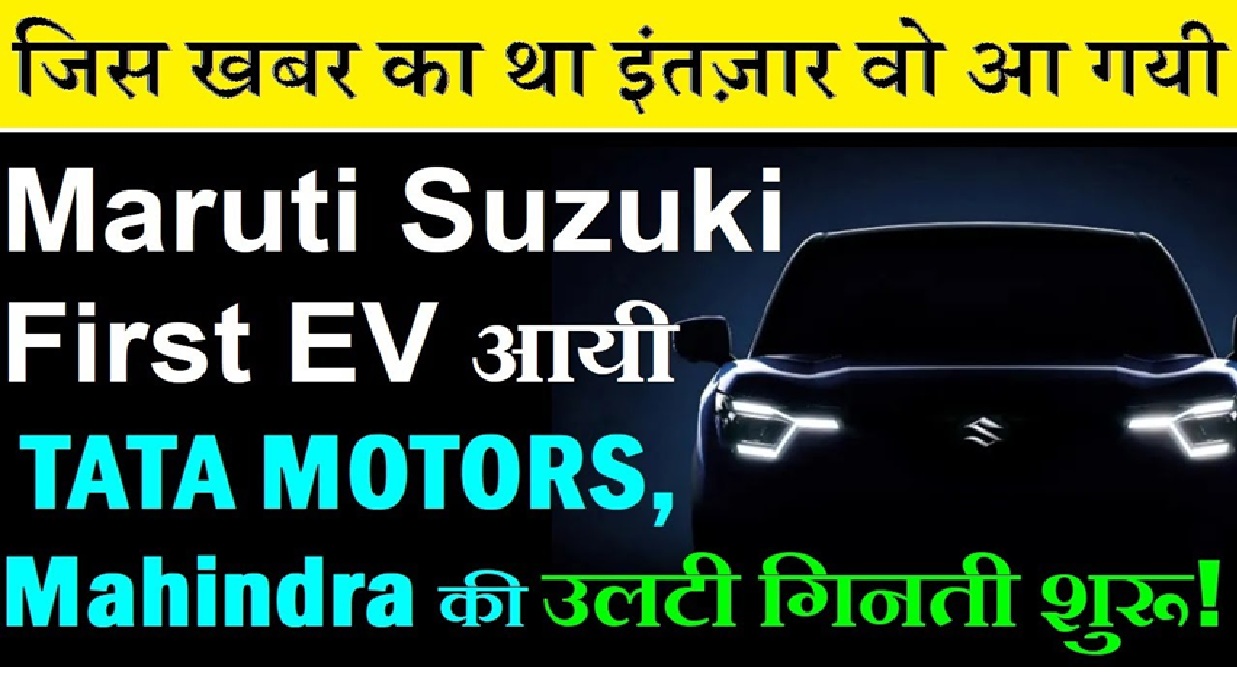
The electric vehicle (EV) market in India is buzzing with excitement as Maruti Suzuki makes a major announcement. With the highly anticipated debut of its EV model, the e-Vitara, Maruti Suzuki is setting the stage to compete with industry leaders Tata Motors and Mahindra. Here’s a detailed breakdown of what this means for the Indian automotive sector and how Maruti Suzuki plans to leave a lasting impact.
Maruti Suzuki’s Entry into the EV Segment
The announcement from Maruti Suzuki marks a pivotal moment in India’s EV journey. The automaker had earlier hinted at an official declaration in January, and now, the wait is over. The e-Vitara SUV has been unveiled as Maruti’s flagship electric vehicle, and it promises to bring groundbreaking features to the table.
Key Features of the Maruti Suzuki e-Vitara
The e-Vitara is equipped with a 61 kWh battery pack, which delivers an impressive range of up to 500 kilometers on a single charge. This range positions it as a strong contender in the EV market, addressing one of the most significant concerns of Indian consumers: driving range. The company has thoroughly studied market trends and customer preferences to design a vehicle that meets the evolving needs of the Indian audience.
Interior and Design
Maruti Suzuki has paid special attention to the interior design of the e-Vitara. From advanced seating arrangements to an ergonomic dashboard layout, every aspect has been tailored to enhance comfort and usability. The SUV’s spacious cabin and user-friendly interface make it a standout choice for families and professionals alike.
Targeting a Dominant Market Position
Maruti Suzuki has set ambitious goals for its EV segment. The company aims to capture 50% of the SUV market share, a challenging yet achievable target given its robust product lineup and strategic marketing efforts. Currently, Maruti holds a commanding 41% share in the domestic passenger vehicle market, showcasing its strong foothold in the industry.
A Shift in Strategy for Maruti Suzuki
Historically, Maruti Suzuki was skeptical about the potential of electric vehicles in India. However, witnessing the remarkable growth of competitors like Tata Motors in the EV segment, the company has re-evaluated its strategy. It now recognizes the immense growth potential of the Indian EV market, which has seen year-on-year growth of over 20%.
Addressing Infrastructure Challenges
One of the most pressing issues in India’s EV landscape is the lack of a robust charging infrastructure. Maruti Suzuki has acknowledged this challenge and is actively working to support the expansion of charging networks. The company understands that a well-established charging ecosystem is critical for widespread EV adoption.
Export Potential of the e-Vitara
Maruti Suzuki plans to manufacture the e-Vitara in India and export it to global markets, including Europe and Japan. This move aligns with the company’s vision of making India a hub for EV production while tapping into international demand for electric SUVs.
Competitive Landscape: Tata Motors and Mahindra
The Indian EV market is currently led by Tata Motors, with a 60% market share. Mahindra is also a significant player, known for its innovative electric SUVs. Maruti Suzuki’s entry into this competitive space signals a new era of rivalry. The e-Vitara aims to challenge the dominance of these companies by offering a compelling combination of range, design, and affordability.
Maruti Suzuki’s Multi-Phase Strategy
Maruti Suzuki’s roadmap for EV development is based on a phased approach:
- Focus on the e-Vitara: The company’s initial efforts will concentrate on establishing the e-Vitara as a market leader through aggressive marketing and consumer engagement.
- Customer Feedback and Improvement: Insights from early adopters will be used to refine the e-Vitara and develop future models.
- Expansion to Smaller EVs: Maruti plans to introduce smaller, budget-friendly electric cars to cater to a broader audience.
The Road Ahead for EVs in India
According to data from FADA, India saw the sale of over 99,000 electric vehicles in 2024, marking significant growth in the segment. The Indian EV market is expected to continue expanding, driven by government incentives, increasing environmental awareness, and advancements in EV technology.
The Need for Collaboration
Maruti Suzuki has emphasized the importance of collaboration between automakers and policymakers to accelerate the growth of EV infrastructure. By addressing issues like charging availability and affordability, India can achieve its vision of becoming a global leader in EV adoption.
Conclusion
The launch of the Maruti Suzuki e-Vitara is a game-changer for the Indian automotive industry. By leveraging its deep understanding of the market and focusing on innovation, Maruti Suzuki is poised to make a significant impact in the EV space. As the competition intensifies, the biggest winners will be the consumers, who can look forward to more choices and better technology in the coming years.
What are your thoughts on the future of electric vehicles in India? Will Maruti Suzuki’s e-Vitara redefine the EV market? Let us know in the comments below!