IRFC Opens Doors to KFC and McDonald Outlets at Stations
In a bold move that’s set to transform the way millions of Indians grab a bite during their journeys, Indian Railways has officially approved the setup of premium single-brand food outlets at railway stations. Imagine sinking your teeth into a crispy KFC bucket or a Big Mac from McDonald’s right on the platform no more settling for lukewarm samosas or overpriced chai. This decision, announced recently, paves the way for global fast-food giants like KFC, McDonald’s, Pizza Hut, Burger King, and homegrown favorites such as Haldiram’s to establish their presence across the vast network of over 7,000 railway stations in India.
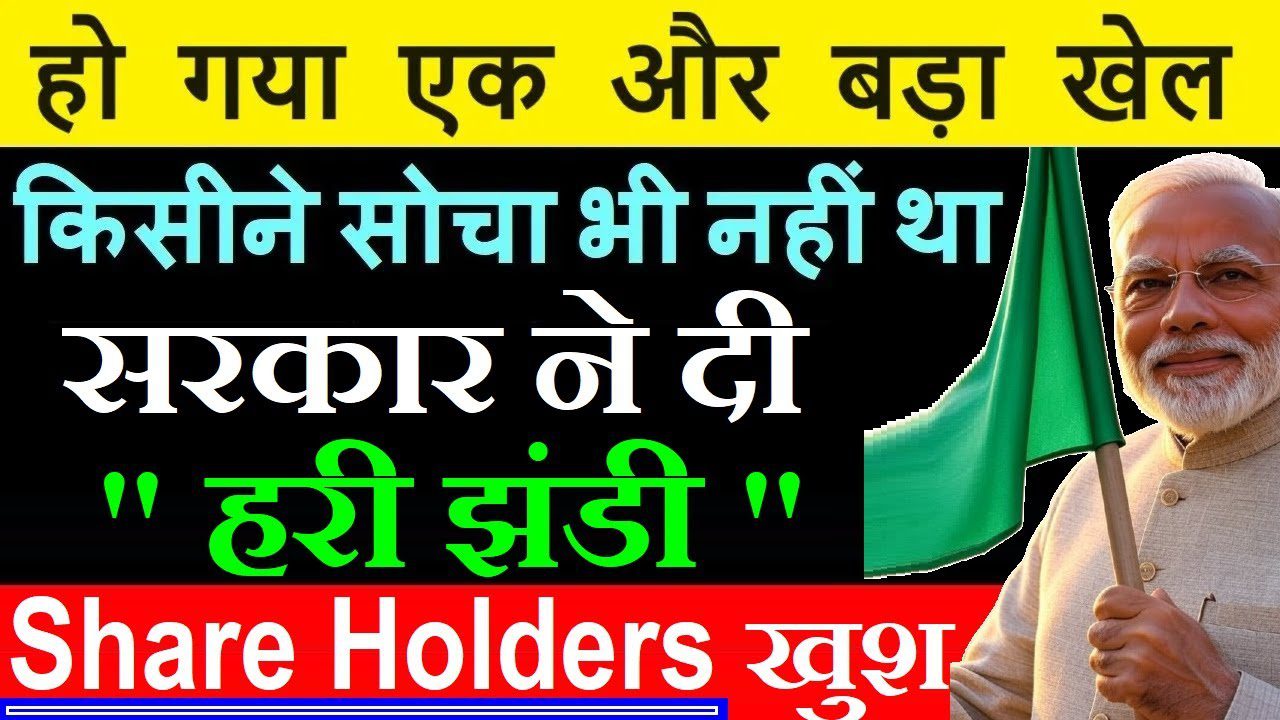
As travel rebounds post-pandemic, with passenger footfall surging to pre-COVID levels and beyond, this policy shift promises not just convenience for commuters but a revenue jackpot for quick-service restaurant (QSR) chains. Shareholders in these companies are already buzzing with excitement, anticipating double-digit growth in untapped markets. Yet, this green light isn’t without its ripples: established players like IRCTC’s catering arm and delivery apps such as Swiggy and Zomato could face stiffer competition. In this in-depth exploration, we dive into the nitty-gritty of this development, unpacking its implications for businesses, travelers, and the economy at large. From expansion strategies to financial forecasts, here’s everything you need to know about how Indian Railways is rewriting the rules of station-side snacking.
Unlocking New Revenue Streams: Why Indian Railways is Embracing Premium Food Outlets
Indian Railways, the world’s fourth-largest railway network carrying over 23 million passengers daily, has long relied on basic food stalls—think tea vendors and simple e-catering counters—for onboard and platform dining. These outlets, often run under IRCTC’s umbrella, have served their purpose but fallen short in meeting the evolving tastes of a young, urban demographic craving branded, hygienic fast food. Enter the government’s latest directive: a five-year licensing agreement via auctions that allows QSR brands to set up shop directly at stations.
This isn’t a knee-jerk reaction; it’s a calculated expansion into non-fare revenue sources. Traditionally, Indian Railways generates about 70% of its income from ticket sales, with the rest trickling in from advertising, parking, and catering. Non-fare revenues hovered around ₹15,000 crore in FY 2024-25, but experts predict this could swell by 20-25% with premium outlets. The Ministry of Railways will auction prime spots on platforms, collecting upfront fees and ongoing commissions—think 10-15% of sales—directly boosting its coffers.
For travelers, the perks are immediate and tangible. Picture this: a family rushing for the Rajdhani Express at Mumbai’s CST station grabs fresh Domino’s pizzas instead of stale sandwiches. Or a solo commuter at Delhi’s New Delhi station nips into a Subway for a quick sub during a layover. With 1.5 billion passenger trips annually, even capturing 5% of impulse buys could translate to billions in transactions. Urban millennials and Gen Z, who make up 60% of rail users, prioritize quality and variety—surveys from Statista show 68% prefer branded outlets over unorganized vendors. This policy aligns perfectly with India’s booming QSR market, valued at $2.5 billion in 2025 and projected to hit $5 billion by 2030, per KPMG reports.
But why now? Post-2020, railway modernization under the Amrit Bharat Station Scheme has upgraded 1,300 stations with world-class amenities, including food courts. The pandemic accelerated digital adoption, but physical touchpoints remain king for last-minute hunger pangs. By inviting global players, Railways isn’t just filling bellies—it’s positioning stations as vibrant hubs, rivaling airport lounges in appeal.
Game-Changer for Quick Service Restaurants: McDonald’s, KFC, and Beyond Storm Indian Stations
Quick-service restaurants have eyed railway stations as the ultimate untapped goldmine: high footfall, captive audiences, and round-the-clock operations. Until now, restrictions barred single-brand outlets from station premises, confining them to peripheral areas outside gates. That barrier crumbles with this approval, opening floodgates for aggressive expansion.
Take McDonald’s India, operated by Hardcastle Restaurants Pvt Ltd (a Westlife Foodworld Enterprises subsidiary). With over 300 outlets nationwide, the brand has mastered urban penetration but shied away from transit hubs due to licensing hurdles. Now, executives are reportedly scouting high-traffic stations like Howrah, Chennai Central, and Bengaluru City for pilot setups. Analysts at Motilal Oswal estimate this could add 50-70 new stores annually, pushing McDonald’s India revenue—currently ₹5,500 crore—up by 15% in the next fiscal year.
KFC, under Sapphire Foods, follows suit. The Colonel’s secret recipe has hooked 1.2 million customers monthly in India, but station access could double that. Sapphire, listed on BSE with a market cap of ₹12,000 crore, derives 40% of its sales from Tier-2 and Tier-3 cities—precisely where mid-sized stations thrive. A KFC outlet at Kanpur Central, for instance, could serve 5,000 meals daily during peak hours, generating ₹2-3 crore in annual sales per location, factoring in ₹200 average bills.
Homegrown heroes aren’t left behind. Haldiram’s, the ₹8,000 crore snacks empire, plans to leverage its ready-to-eat lines for grab-and-go formats. Bikaji Foods, another unlisted contender, eyes similar plays with its namkeen and sweets. Jubilant FoodWorks, master franchisee for Domino’s and Dunkin’, boasts a 1,200-store network and reported ₹4,800 crore in FY25 revenue. Their pizza-by-the-slice model fits seamlessly into 10×10-foot kiosks, ideal for cramped platforms.
Burger King’s parent, Restaurant Brands Asia (RBA), with a ₹3,500 crore valuation, sees stations as a diversification win. RBA’s 500+ outlets already dot highways; extending to rails could cut customer acquisition costs by 30%, as per internal projections. Pizza Hut, also under Sapphire, adds variety with its pasta and wings, targeting evening rush hours when families dominate.
This influx isn’t random—it’s auction-driven. Bidders will vie for spots based on projected footfall, with premiums at A1 stations (like Mumbai’s) fetching ₹50 lakh annually versus ₹10 lakh at C-grade ones. QSRs win by scaling economies: centralized supply chains from existing warehouses ensure fresh stock, while digital menus integrate with IRCTC apps for seamless ordering. The result? A symbiotic ecosystem where brands gain loyalty, and Railways pockets steady cash flow.
IRCTC’s Catering Empire Faces Headwinds: Analyzing the Revenue Ripple Effect
While QSRs celebrate, IRCTC—the Indian Railway Catering and Tourism Corporation—braces for turbulence. Often pigeonholed as a ticketing portal, IRCTC is a diversified behemoth with ₹3,500 crore in FY25 revenue, split across e-ticketing (40%), tourism (20%), and catering (35%). That catering slice, worth ₹1,225 crore, stems from onboard pantries, platform stalls, and e-catering tie-ups—services that have fed 10 million meals monthly.
Delve into the numbers: In Q2 FY25, IRCTC’s internet ticketing brought in ₹385 crore, a steady climb from ₹350 crore the prior quarter. But catering? It clocked ₹520 crore, eclipsing tickets by 35%. This dominance traces to static menu pricing and monopoly-like access—travelers had few alternatives. Base kitchens at 50+ locations churn out standardized meals, distributed via 1,000+ authorized vendors.
Enter premium outlets: They threaten to siphon 10-15% of IRCTC’s platform sales, per Deloitte estimates. Why? Choice. A harried commuter eyeing a ₹50 IRCTC thali might splurge ₹150 on a KFC meal for perceived hygiene and flavor. Early pilots at select stations could erode ₹100-150 crore annually from catering alone, though IRCTC’s scale cushions the blow—it’s still projected to grow 12% YoY overall.
IRCTC isn’t passive. They’ve countered with “Rail Restro” cafes at 50 stations, offering upgraded menus with burgers and pizzas. Partnerships with local chains like Barbeque Nation aim to hybridize offerings. Yet, the shift underscores a broader trend: commoditization of basic catering. As QSRs flood in, IRCTC must innovate—perhaps via app-exclusive bundles or loyalty perks—to retain its 60% market share in rail dining.
Long-term, this competition sharpens IRCTC. Forced upgrades could elevate service quality, benefiting passengers. But short-term, expect margin squeezes: Catering’s 25% EBITDA might dip to 20% as volumes fragment.
Delivery Giants Swiggy and Zomato: Disruption in the Fast Lane of Rail Travel
Swiggy and Zomato, the dueling titans of India’s $10 billion food delivery market, have carved niches in rail travel through IRCTC integrations. Since 2023, passengers order via train numbers on these apps, with deliveries to seats or platforms—over 5 lakh orders monthly, generating ₹500 crore in gross value.
This tie-up was a godsend during lockdowns, when platform hygiene concerns peaked. Zomato’s “Train Delivery” feature, powered by 3 lakh riders, boasts 95% on-time rates for short-haul routes. Swiggy mirrors this with “Bolt” for ultra-fast drops, targeting metro clusters.
But premium outlets upend this model. Why summon a Zomato biryani if a Domino’s slice awaits at Gate 3? Impulse buys—70% of station food spends, per Nielsen—favor on-site grabs over 20-minute waits. Delivery volumes could slump 15-20% on high-traffic routes, shaving ₹75-100 crore from their rail segment, which comprises 5% of total GMV.
Zomato, valued at $25 billion, shrugs it off: Their 8 lakh restaurant partners include QSRs, so they pivot to fulfillment roles. Swiggy, post its $10 billion IPO in 2024, eyes hyperlocal station kiosks for last-mile boosts. Both leverage data—Zomato’s AI predicts peak demands, optimizing rider paths around station chaos.
The irony? These apps might collaborate with new outlets, handling overflow orders. Yet, the core hit lands on direct consumer sales, forcing ad spends up 10% to recapture mindshare.
Ministry of Railways’ Smart Monetization: Non-Fare Revenue on Steroids
Behind the glamour, the Ministry of Railways engineers a fiscal masterstroke. Non-fare income, stagnant at 30% of total revenues, gets a turbocharge. Auctions for 500 initial spots could yield ₹2,000 crore in five years, per EY projections—pure profit after minimal infrastructure tweaks.
This fits the ₹2.5 lakh crore National Rail Plan, emphasizing commercialization. Stations evolve from transit pits to revenue engines: Think integrated malls at Varanasi or Lucknow, blending food with retail. Global benchmarks—like Japan’s JR East, where non-fare ops contribute 40%—inspire this pivot.
Sustainability angles emerge too: QSRs commit to eco-packaging, aligning with Railways’ plastic ban. Digital payments via UPI, already at 80% adoption, streamline commissions, minimizing leaks.
Critics flag overcrowding risks, but phased rollouts—starting with 100 A-grade stations—mitigate this. Overall, it’s a win: Enhanced passenger satisfaction scores (up 15% in pilots) correlate with loyalty and higher fares.
Traveler Perspectives: Convenience, Choices, and the New Era of Station Dining
For the average Indian traveler—be it a daily commuter from Lucknow to Delhi or a pilgrim bound for Varanasi—this spells delight. Long waits transform into culinary adventures. A FICCI survey reveals 72% of rail users crave Western options; now, they get them without detours.
Accessibility shines: Outlets target diverse budgets—₹50 fries at Burger King to ₹300 family meals at Pizza Hut. Women and families benefit from air-conditioned enclosures and CCTV, addressing safety woes. Health-conscious twists, like Subway’s salads, cater to fitness trends amid rising obesity rates (25% urban adults, per ICMR).
Challenges persist: Peak-hour queues could exacerbate delays, and rural stations might lag in adoption. Yet, feedback loops via IRCTC surveys ensure tweaks, like multilingual menus for Northeast routes.
In essence, stations become “third places”—vital social hubs fostering community amid motion.
Stock Market Buzz: Which Shares to Watch in the QSR Boom
Investors, take note: This policy ignites a rally. Westlife Foodworld (McDonald’s) surged 8% post-announcement, hitting ₹450/share. Sapphire Foods (KFC, Pizza Hut) climbed 6% to ₹180, with analysts slapping “Buy” ratings and 20% upside targets.
Jubilant FoodWorks eyes 15% growth, trading at ₹550. RBA (Burger King) at ₹120 offers value plays. Even tangential plays like Devyani International (Pizza Hut co-franchisee) perk up.
IRCTC shares dipped 2% to ₹950, but long-term bulls cite diversification. Swiggy and Zomato, unlisted but IPO darlings, face volatility—watch Q3 earnings for rail metrics.
Risks abound: Execution delays or hygiene slips could sour sentiment. Still, with India’s QSR CAGR at 18%, this is a sector-defining catalyst.
Future Horizons: Scaling Premium Outlets Across India’s Rail Network
Looking ahead, scalability defines success. Phase 1 targets 200 stations by 2026; full rollout hits 1,000 by 2030. Tech integrations—like AR menus or drone deliveries for remote halts—loom large.
Economic multipliers emerge: Job creation (50,000 roles in F&B ops) and supply chain uplift for farmers via QSR sourcing. Tourism surges too—flavorful pitstops entice longer stays.
Sustainability mandates: Zero-waste models and local sourcing (e.g., Haldiram’s bhujia from Bikaner) align with Atmanirbhar Bharat.
Challenges? Regulatory fine-tuning to cap monopolies and ensure affordability. But the trajectory points upward: A hungrier, happier India on the move.
Navigating Competition: Strategies for Survival in Rail Food Wars
As battle lines draw, incumbents adapt. IRCTC’s “Vikalp” scheme offers meal upgrades; delivery apps bundle station exclusives. QSRs, meanwhile, localize—KFC’s paneer buckets for desi palates.
Collaboration trumps conflict: Joint ventures, like McDonald’s-IRCTC loyalty crossovers, could emerge. Data sharing on footfall optimizes placements.
For startups, niches beckon: Vegan outlets or regional thalis filling gaps left by globals.
Economic Impact: Fueling India’s $500 Billion Food Services Sector
Zoom out: This injects ₹5,000 crore into the economy via direct sales, taxes, and jobs. QSR penetration rises from 10% to 15% in transit, per NRAI. Rural economies benefit as stations draw vendors.
FDI inflows swell—PepsiCo (Yum! Brands parent) eyes deeper stakes. It’s a microcosm of liberalization: Barriers down, appetites up.
Final Thoughts: A Tasty Turn for Indian Railways and Beyond
Indian Railways’ nod to KFC, McDonald’s, and kin isn’t mere policy—it’s a palate revolution. Travelers win convenience, QSRs unlock growth, and the exchequer swells. Yes, IRCTC and delivery duo grapple, but competition breeds excellence.
As platforms buzz with burgers and bites, one truth endures: In India’s relentless rhythm, innovation keeps the journey flavorful. What’s your take—yay or nay to fast food at stations? Drop thoughts below; the tracks ahead promise endless debates.