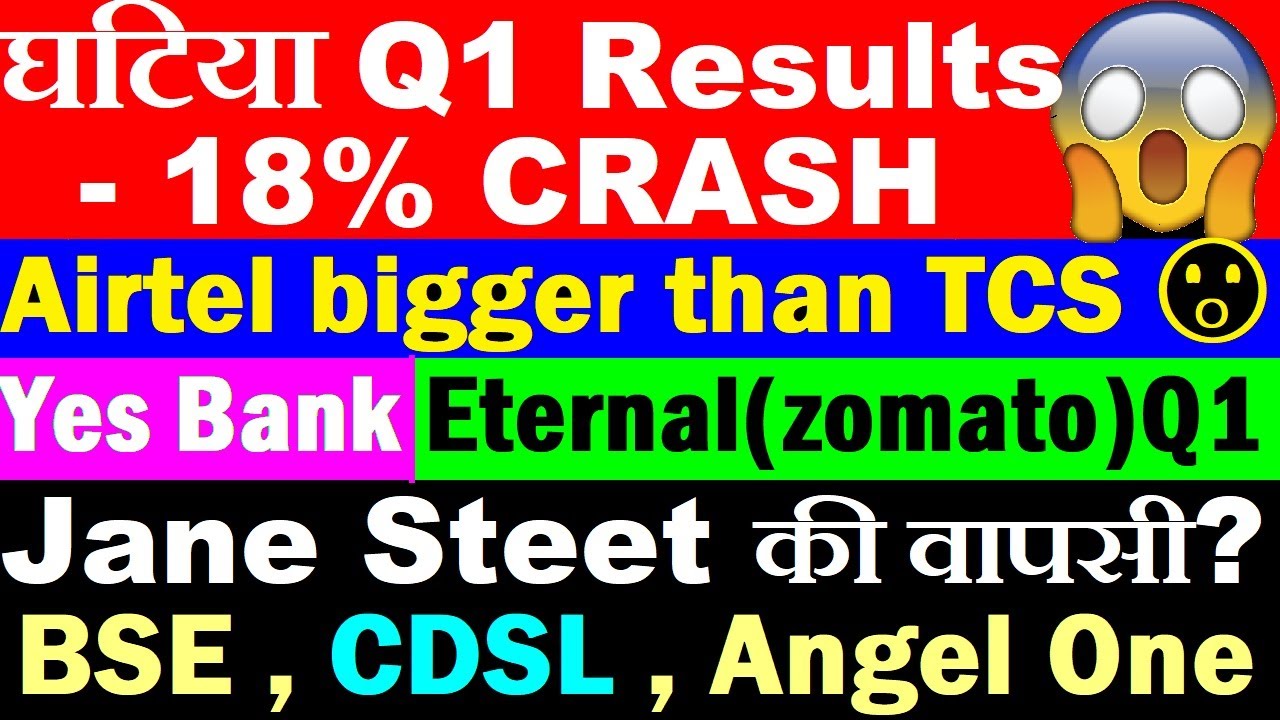
The Indian stock market in Q1 2025 has been a rollercoaster of volatility, regulatory developments, and corporate performances. From SEBI’s regulatory actions to standout quarterly results, the market has seen significant shifts impacting investors, traders, and companies alike. This article dives deep into the latest market trends, analyzing key players like BSE, CDSL, Angel One, Zomato, Yes Bank, Airtel, TCS, Jane Street, and Wendt. We’ll explore how these entities shape the market, their performance metrics, and what lies ahead for investors. With a focus on actionable insights, this comprehensive guide aims to equip you with the knowledge to navigate India’s dynamic financial landscape.
SEBI’s Regulatory Moves: Jane Street’s Potential Market Re-Entry
Jane Street’s Regulatory Journey
The Securities and Exchange Board of India (SEBI) has been a pivotal force in maintaining market integrity. One of the most discussed developments in Q1 2025 involves Jane Street, a global trading firm previously implicated in market manipulation allegations. SEBI’s investigation led to restrictions and a mandate to transfer illicit gains into an escrow account. Recent reports suggest that Jane Street may soon re-enter the Indian stock market after complying with SEBI’s requirements by depositing the specified amount. However, their return comes with caveats—restrictions on certain operations, particularly in areas where past irregularities occurred.
Impact on Market Sentiment
Jane Street’s potential re-entry has sparked optimism in the market, particularly for BSE (Bombay Stock Exchange). The firm’s return could boost trading volumes, directly benefiting BSE’s revenue model, which thrives on transaction volumes rather than individual trade outcomes. On the day the news broke, BSE shares surged by approximately 3%, reflecting investor confidence in increased market activity. However, SEBI’s final decision remains pending, and a denial could reverse this momentum, potentially leading to a decline in BSE’s stock price.
Broader Implications for Brokers and Investors
The ripple effect extends to depository participants like CDSL (Central Depository Services Limited) and brokerage firms like Angel One. CDSL, partially owned by BSE (holding a 15-20% stake), also saw positive movement, as did Angel One, which benefits from higher trading volumes. Brokers have expressed concerns that a prolonged ban on Jane Street could dampen market volatility, reducing trading opportunities. The potential lifting of restrictions signals a return to normalcy, fostering a positive outlook for the broking industry.
BSE and CDSL: Riding the Volume Wave
BSE’s Strategic Position
BSE, one of India’s premier stock exchanges, plays a critical role in the financial ecosystem. Its revenue model hinges on trading volumes, making it agnostic to whether individual traders profit or lose. The Jane Street news catalyzed a 3% spike in BSE’s stock price, underscoring its sensitivity to market activity. BSE’s platform, particularly its options segment, was implicated in the Jane Street allegations, making its performance closely tied to regulatory outcomes.
CDSL’s Symbiotic Growth
CDSL, as a key depository participant, benefits from BSE’s success. With a 15-20% stake held by BSE, CDSL’s stock often moves in tandem with its parent’s performance. The anticipated increase in trading volumes from Jane Street’s re-entry has bolstered CDSL’s stock, reflecting its role in facilitating seamless securities transactions.
Brokerage Firms: Angel One’s Resilience
Angel One, a leading brokerage firm, demonstrated resilience amid market fluctuations. The firm’s performance in Q1 2025 reflects steady growth, driven by its ability to capitalize on market volatility. While Jane Street’s potential return could enhance trading volumes, brokers like Angel One are cautious, emphasizing the need for regulatory clarity to sustain market momentum.
Airtel’s Meteoric Rise: Overtaking TCS in Market Cap
Airtel’s Ascendancy in Market Rankings
Bharti Airtel has emerged as a standout performer, surpassing Tata Consultancy Services (TCS) to claim the third spot in India’s market capitalization rankings. With Reliance Industries leading at number one and HDFC Bank at number two (bolstered by its merger with HDFC Ltd.), Airtel’s climb reflects its robust growth trajectory. Once absent from the top 10, Airtel’s consistent performance has elevated its market cap, signaling strong investor confidence.
TCS’s Decline: A Shift in Rankings
TCS, once a top-tier player, has slipped to fourth place, a stark contrast to its former number-two position. The dynamic nature of market rankings underscores the volatility of share prices and their impact on corporate standings. Other players like ICICI Bank (fifth) and Infosys (seventh) also reflect this fluidity, with ITC and Hindustan Lever (HUL) falling out of the top 10.
Factors Driving Airtel’s Success
Airtel’s growth stems from its diversified portfolio, spanning telecom, digital services, and enterprise solutions. Strategic investments in 5G infrastructure and digital platforms have strengthened its market position, making it a formidable competitor in India’s corporate landscape. Investors eyeing long-term growth may find Airtel’s trajectory compelling, though its high valuation warrants careful analysis.
Zomato’s Transformation: From Food Delivery to Eternal Powerhouse
Zomato’s Evolution into Eternal
Zomato has redefined its identity, transitioning from a food delivery platform to a diversified conglomerate under its parent entity, Eternal. Led by CEO Deepinder Goyal, Zomato has expanded into event management, ticketing, B2B services, and quick commerce via Blinkit. This strategic diversification has solidified its position as a market leader, capturing a 55% share in the food delivery segment.
Q1 2025 Performance Highlights
Zomato’s Q1 2025 results showcase its financial prowess. The company reported a staggering 70% revenue jump, from ₹426 crore to ₹7,170 crore, driven by its multi-vertical approach. Despite a dip in net profit—from ₹253 crore to ₹25 crore—Zomato’s stock surged by 7.5% in the final minutes of trading, reflecting investor optimism about its revenue growth. The company’s focus on capturing market share, even at the expense of short-term profitability, aligns with its startup-like growth strategy.
Blinkit’s Masterstroke
Zomato’s acquisition of Blinkit, initially viewed as a risky move due to its loss-making nature, has proven to be a masterstroke. Blinkit’s revenue soared by 155%, reaching approximately ₹2,400 crore, fueled by a growing user base and increased order volumes. The addition of 243 new dark stores, bringing the total to 1,544, underscores Blinkit’s aggressive expansion. Zomato aims to scale Blinkit to 2,000 stores by December 2025, with projections to reach ₹3,000 crore in revenue.
Platform Fee Strategy
Zomato’s platform fee hikes—from ₹2 to ₹10 in select cities—demonstrate its pricing power in a near-duopolistic market alongside Swiggy. While competitors like Rapido are entering the quick commerce space, Zomato’s entrenched position and diversified revenue streams provide a competitive edge. Investors should monitor potential regulatory scrutiny in this segment, as rising fees could attract attention from competition authorities.
Yes Bank: Strong Numbers, Stagnant Stock
Q1 2025 Performance Overview
Yes Bank delivered solid quarterly numbers, yet its stock price has failed to gain traction. Despite healthy financial metrics, brokerage firms like MK Global and Kotak maintain a “sell” rating, citing structural challenges. The bank’s inability to translate strong fundamentals into stock price momentum has disappointed investors, highlighting the disconnect between performance and market perception.
Investor Considerations
For investors, Yes Bank presents a conundrum. Its fundamentals suggest stability, but market sentiment and brokerage ratings dampen enthusiasm. Those considering Yes Bank should weigh its long-term potential against short-term volatility, with a focus on upcoming quarterly results and macroeconomic trends.
Wendt India: A Shocking Q1 Crash
Disappointing Quarterly Results
Wendt India, a small-cap company with a market cap of ₹2,000-3,000 crore, experienced a dramatic 15-20% stock price crash in the final trading hours of a recent session. The plunge was triggered by dismal Q1 2025 results, with revenue declining from ₹75 crore to ₹52 crore and operating profit plummeting from ₹18 crore to ₹7 crore. Net profit halved from ₹7.68 crore to ₹3.78 crore, and earnings per share (EPS) dropped from ₹38 to ₹19, a 50% decline.
Small-Cap Volatility
Wendt’s performance underscores the inherent risks of small-cap investments. With limited market depth, small-cap stocks like Wendt are prone to sharp declines when negative news hits. Investors must approach such stocks with caution, ensuring mental preparedness for high volatility and thorough due diligence.
Navigating the Indian Stock Market in 2025
Key Takeaways for Investors
The Indian stock market in Q1 2025 offers both opportunities and challenges. Regulatory developments, such as Jane Street’s potential re-entry, could drive trading volumes, benefiting platforms like BSE and CDSL. Airtel’s rise signals the growing influence of telecom giants, while Zomato’s transformation highlights the potential of diversified business models. However, disappointments like Wendt and Yes Bank remind investors of the risks inherent in volatile markets.
Strategies for Success
- Diversify Your Portfolio: Spread investments across sectors to mitigate risks from individual stock volatility.
- Monitor Regulatory Updates: Stay informed about SEBI’s decisions, as they significantly impact market dynamics.
- Focus on Revenue Growth: Companies like Zomato prioritize top-line growth, offering long-term potential despite short-term profit dips.
- Exercise Caution with Small-Caps: High volatility in stocks like Wendt requires robust risk management.
- Leverage Brokerage Insights: While broker ratings guide sentiment, conduct independent research to validate investment decisions.
Looking Ahead
As India’s stock market evolves, staying ahead requires a blend of vigilance and strategic planning. Companies like Airtel and Zomato exemplify the potential for growth through innovation and diversification, while regulatory clarity will shape the trajectory of firms like Jane Street and BSE. For investors, the key lies in balancing optimism with caution, leveraging data-driven insights to capitalize on emerging opportunities.
This comprehensive analysis of Q1 2025 highlights the dynamic interplay of corporate performance, regulatory oversight, and market sentiment. By understanding these trends, investors can make informed decisions to navigate India’s vibrant financial landscape.