Navigating the Turbulent Skies: Indigo Airlines Faces Operational Headwinds and Stock Pressure
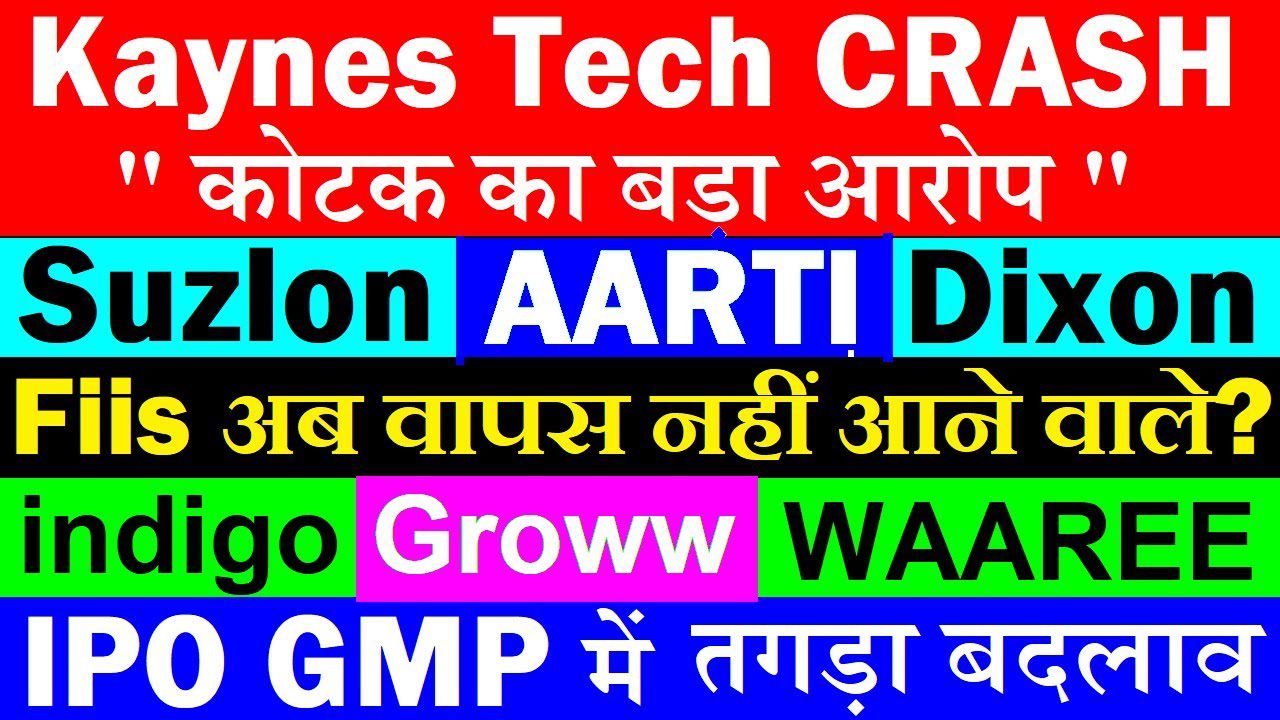
Indian aviation giant Indigo Airlines continues to grapple with a series of setbacks that have cast a long shadow over its stock performance. Investors watch anxiously as flight cancellations pile up, drawing intense scrutiny from regulatory bodies like the Directorate General of Civil Aviation (DGCA). These disruptions stem from a mix of factors, including earlier GST compliance issues and now widespread operational glitches affecting hundreds of flights. The immediate fallout? A sharp 3% dip in Indigo’s share price on the latest trading day, compounded by an 7-8% plunge over the past four sessions.
What drives this relentless downward trajectory? Simple economics at play: every delayed or canceled flight translates to lost revenue, mounting daily losses, and eroded investor confidence. The DGCA has already issued preliminary orders for investigation, with deeper probes on the horizon. Until Indigo resolves these bottlenecks—whether through fleet maintenance overhauls or supply chain fixes—the bleeding won’t stop. Analysts predict that the next quarterly earnings report will bear the brunt of these challenges, potentially slashing profit margins and prompting a reevaluation of the company’s growth narrative.
Yet, amid the chaos, Indigo’s dominance in India’s skies remains unchallenged. As the market leader with over 60% share, the airline ferries millions of passengers monthly. Long-term bulls argue that these are temporary hiccups in an otherwise booming sector, fueled by rising air travel demand post-pandemic. Still, short-term traders face a stark reality: volatility reigns supreme. For those holding Indigo stock, diversification into stable aviation peers or hedging strategies could mitigate risks. As the investigation unfolds, keep an eye on DGCA updates—they could be the catalyst for a rebound or further erosion.
Aarti Industries’ Chemical Sector Woes: Decoding the Slump and Demerger Impact
In the volatile world of specialty chemicals, Aarti Industries stands as a bellwether for broader sector trends—and lately, it’s flashing red. This Mumbai-based powerhouse, once a darling of growth investors, has seen its shares slide steadily since its pharma demerger earlier this year. The split birthed Aarti Pharmalabs, a focused entity that has delivered respectable performance, rewarding original shareholders with bonus scrip. But for the core Aarti Industries, the story diverges sharply: unrelenting downward pressure amid a sector-wide slowdown.
Why the persistent decline? Global headwinds hit hard. Supply chain snarls, fluctuating raw material costs, and softening demand from end-user industries like agrochemicals and pharmaceuticals have squeezed margins. Aarti’s portfolio, rich in benzene derivatives and intermediates, thrives on cyclical upswings—but we’re firmly in a trough. Investors with heavy chemical allocations in their portfolios know the drill: these stocks amplify market swings, turning diversified holdings into high-drama assets.
The demerger, while strategic, hasn’t stemmed the tide. Aarti Industries now hones in on its chemical roots, targeting sustainable innovations like green chemistry processes. Recent quarters show revenue resilience, but EBITDA dips signal cost pressures. Forward-looking, the company eyes capacity expansions in Gujarat, betting on India’s push for self-reliance in chemicals under the Atmanirbhar Bharat initiative. For savvy investors, this dip presents a buying window—if macroeconomic cues align. Track upcoming earnings for clues on volume recovery; until then, caution prevails in this beleaguered segment.
Waaree Energies Penalty: A Minor Hiccup in Solar Power’s Bright Trajectory
Renewable energy enthusiasts breathed a sigh of relief when Waaree Energies dismissed a recent GST-related penalty as inconsequential. The Rs 85 lakh fine—rounded up to a neat crore for perspective—barely registers on the financial radar of this solar module manufacturing titan. As one of India’s largest players in photovoltaic solutions, Waaree generates billions in revenue annually; a one-off penalty like this won’t dent its balance sheet.
Context matters here. Such levies arise from routine business audits, especially in a regulated space like clean energy where compliance is king. Waaree has faced similar probes before, emerging unscathed because the amounts pale against its scale. The company itself downplayed the impact in its disclosures, affirming no material effect on operations or profitability. Smart investors heed this: penalties only sting when they balloon into patterns or trigger deeper scrutiny. A single instance? Mere noise.
Zooming out, Waaree’s story shines brighter than ever. With India’s solar capacity targets soaring under the National Solar Mission, demand for modules explodes. Waaree capitalizes through vertical integration—from polysilicon production to module assembly—securing marquee clients and export deals. Its recent IPO success underscores market faith, with shares trading at premiums reflecting robust order books. For portfolio builders eyeing green energy, Waaree exemplifies resilience. Monitor policy tailwinds like PLI schemes; they could propel this stock toward blue-chip status.
Groww’s Market Share Triumph: SIP Boom Masks Trading Revenue Challenges
Fintech darling Groww scripted a feel-good chapter amid broader market jitters, clinching nearly 47% market share in new Systematic Investment Plan (SIP) inflows. This surge in mutual fund subscriptions highlights Groww’s prowess in democratizing investing for India’s millennial masses. Yet, the platform’s stock took a beating today, underscoring the fintech sector’s bipolar mood swings.
What’s fueling the disconnect? Groww’s revenue engine hums on trading volumes, not just steady SIP drips. While investing apps lure users with low-barrier mutual funds, the real moneymaker lies in high-frequency equity and derivatives trades. Lately, though, trading activity cools as retail frenzy wanes—fewer FOMO-driven punts, more disciplined long-term plays. Groww pivots accordingly, bulking up its investing toolkit to offset the dip. It’s a classic growth trade-off: sacrifice short-term flash for sustainable scale.
Skeptics point to the irony: YouTube gurus and social media hype draw hordes to trading tutorials, yet stats show most lose money there. Investing, with its compounding magic, offers better odds for the patient. Groww gets this, layering in educational tools and zero-commission funds to nurture sticky users. As India’s SIP corpus crosses Rs 2 lakh crore monthly, Groww’s 47% slice positions it as a leader in this wealth-creation wave. Volatility? Inevitable in fintech. But with 40 million+ users, Groww’s trajectory points upward. Accumulate on dips if you’re bullish on digital finance’s rise.
Dixon Technologies: Mastering Mobile Manufacturing Amid Segment Risks
Dixon Technologies emerges as a standout in India’s electronics manufacturing services (EMS) landscape, transforming from a niche player into a Rs 100 crore revenue behemoth. This Noida-based firm assembles everything from smartphones to LED TVs, but its crown jewel remains mobile device production—accounting for a whopping 90% of earnings in the latest Q2 data.
Recent buzz around potential headwinds in consumer electronics sparked questions: Could a slowdown in mobiles crater Dixon’s fortunes? The answer hinges on revenue segmentation. While appliances and lighting contribute modest slivers (6% and 4%, respectively), mobiles dominate. Negative news in that arena—like supply disruptions or tariff hikes—would ripple fiercely. Conversely, peripheral setbacks barely register. This granularity is investor gold: Understand your holdings’ revenue streams to weather news cycles without panic-selling.
Dixon’s client roster reads like a who’s who of global tech: Motorola, Xiaomi, Samsung, Nokia, Oppo, OnePlus, Google Pixel, and Nothing. These partnerships fuel PLI-eligible expansions, with new facilities ramping up in Tamil Nadu. Government incentives amplify the upside, positioning Dixon as a key enabler of India’s $300 billion electronics export ambition by 2026. Earnings growth? Explosive, with 50%+ YoY jumps. Risks? Geopolitical tensions in supply chains. For growth chasers, Dixon’s story screams opportunity—buy the ecosystem, not the headline.
FII DII Data Breakdown: Rupee Woes Fuel Selling Pressure in Indian Markets
Foreign Institutional Investors (FIIs) unleashed another barrage, offloading Rs 1,900 crore worth of Indian equities as the rupee skidded toward 90/USD. This relentless selling spree—now a market staple—tests domestic resilience, with hopes of an FII rebound fading fast. Why the exodus? A cocktail of global rate hikes, geopolitical flares, and dollar strength lures capital overseas. Indian assets, once hot, now feel the chill.
Domestic Institutional Investors (DIIs) counterpunch valiantly, scooping up the slack to stabilize benchmarks like Nifty and Sensex. But momentum needs foreign firepower to ignite sustained rallies. Without it, expect choppy waters: dips thrill bargain hunters, only for reversals to 1991-like highs to humble them. A critical caveat: FII/DII data captures just a sliver—3-4% of daily turnovers in a market churning trillions. Broader flows from HNIs, retail, and algos drive the real action. Don’t fixate on one metric; zoom out for the full mosaic.
As the rupee weakens, export-oriented sectors like IT and pharma could benefit, but importers (oils, autos) groan under forex burdens. Policymakers eye interventions, but structural fixes—like fiscal tightening—hold the key. For traders, this signals range-bound trading; for investors, a cue to rebalance toward defensives. FII U-turns aren’t imminent, but cracks in global narratives (e.g., Fed pivots) could spark inflows. Stay vigilant—the data evolves hourly.
Today’s IPO GMP Roundup: Meesho, Bajaj Housing, and Others Ride the Rollercoaster
Initial Public Offerings (IPOs) steal the spotlight in India’s frothy primary market, but Grey Market Premiums (GMPs) tell a tale of wild swings. Today’s darlings? A trio of heavyweights: Meesho clocks in at Rs 42 GMP on its Rs 100 issue price, signaling 42% upside potential. Bajaj Housing Finance dazzles with Rs 33 GMP (33% pop), while another unlisted gem hints at Rs 101 frenzy—though names stay fluid in the grey shadows.
Caveat emptor: GMPs are speculative whispers, not gospel. They flux with sentiment, flipping from euphoric highs to sobering lows overnight. We’ve seen IPOs debut flat despite sky-high GMPs, underscoring the premium’s advisory role. For Meesho, the social commerce pioneer’s GMP reflects e-tail optimism, backed by 140 million users and quick-commerce bets. Bajaj Housing rides NBFC tailwinds, with Rs 7,000 crore raise fueling affordable housing loans amid urban booms.
Investor frenzy peaks, but diligence rules. Scrutinize prospectuses for red flags like valuation stretches or promoter pledges. With 50+ IPOs slated for 2025, selectivity trumps FOMO. GMP trackers like Chittorgarh or IPOCentral offer real-time pulses—use them wisely. In this IPO deluge, winners emerge from moats: scalable models, governance steel, and sector tailwinds. Position early, but exit strategically; secondary market realities often humble primary hype.
Suzlon Energy’s Bold Leap: AI-Powered Blade Factories Signal Renewables Revival
Wind energy veteran Suzlon Energy bucked today’s market downdraft with ambitious blueprints: three new factories churning out AI-enhanced power blades. Shares dipped 3-4%, but the announcement injects fresh narrative into a stock long starved of catalysts. Reports confirm the push, aligning with India’s 500 GW renewable target by 2030—where wind claims a hefty slice.
Suzlon’s pivot to AI isn’t mere buzzword bingo; it’s tactical. Smart blades optimize aerodynamics, slashing energy losses and boosting turbine efficiency by 10-15%. This tech infusion counters legacy woes like debt overhangs (now tamed via refinancing) and execution delays. With 20 GW installed capacity, Suzlon eyes hybrid wind-solar projects, tapping subsidies and green bonds.
Critics decry the AI fad—every pitch slaps “AI” like a 90s dot-com suffix—but substance matters. Suzlon’s order pipeline swells, with Adani and NTPC renewals. Exports to the US and Europe add diversification. At current valuations, the stock trades at 1x sales—cheap for a turnaround tale. Risks? Raw material volatility and policy shifts. For renewables bulls, Suzlon’s blade bet screams undervalued gem; accumulate as execution unfolds.
Kaynes Technology’s Sharp Fall: Kotak Equities Flags Disclosure Mismatches
Kaynes Technology, a rising star in electronics manufacturing, cratered 6% today, erasing recent gains on a bombshell from Kotak Equities. The report flags “multiple mismatches” in disclosures across Kaynes, its subsidiary Kaynes Electronics Manufacturing, and affiliates—clouding FY25 projections. Kotak’s sleuthing highlights gaps in revenue reporting and related-party transactions, eroding trust in the Mysore-based firm’s transparency.
This isn’t insider whisper; it’s institutional red alert. Kotak, a heavyweight in Indian research, dissected filings to unearth inconsistencies that could inflate earnings optics. Kaynes hasn’t responded yet—silence amplifies the panic—but precedents show swift clarifications can stem bleeds. Investors dumped shares, fearing regulatory raps from SEBI or deeper audits.
Contextualize: Kaynes thrives in aerospace, automotive, and industrial EMS, with 30% CAGR revenue growth. Q2 FY25 previews hinted at order wins from ISRO and EVs, but disclosure dust-ups threaten momentum. At 50x P/E, valuations baked in perfection; this glitch invites recalibration. Long-term? India’s EMS boom (target: $120 billion by 2026) favors Kaynes’ niche. Short-term: Volatility ahead. Clarify fast, Kaynes—transparency rebuilds faster than it erodes.
Broader Market Lessons: From Sector Cycles to Investor Mindset Mastery
Stock market odysseys like today’s—crashes in aviation and tech, resilience in renewables—remind us: Cycles rule. Chemicals slump, fintechs pivot, FIIs flee—yet opportunities lurk in the rubble. Key takeaway? Master the business behind the ticker. Dixon’s 90% mobile reliance? A vulnerability spotlight. Waaree’s penalty shrug? Scale’s armor.
For novices, start simple: Diversify across cycles. Chemicals tank? Lean into defensives like FMCG. FII outflows? DII inflows buffer the base. Tools like Groww’s SIPs build wealth sans daily drama—47% share proves the method’s mettle. And IPOs? GMPs guide, but fundamentals govern.
Veterans know: Panic sells low, patience buys high. Indigo’s woes pass; Suzlon’s blades spin profits. Track FII DII flows weekly, dissect earnings quarterly. In this 2025 landscape—rupee at 90, IPOs ablaze, AI everywhere—adapt or atrophy. Your portfolio? A living strategy, not a static bet.
Future Outlook: Betting on India’s Resilient Equity Narrative
As 2025 unfolds, India’s markets pulse with promise and peril. Rupee pressures test mettle, but PLI schemes and green pushes propel sectors like renewables and EMS. Indigo rebounds on regulatory nods; Kaynes on disclosure fixes. Groww’s SIP surge? Harbinger of a $10 trillion economy by 2035.
Investors, arm yourselves: Study clients (Dixon’s Xiaomi lifeline), gauge penalties (Waaree’s non-event), embrace volatility (Groww’s trading ebb). FIIs may dawdle, but domestic engines roar. In this symphony of stocks, harmony favors the informed. Position for cycles, not headlines—prosperity awaits the prepared.