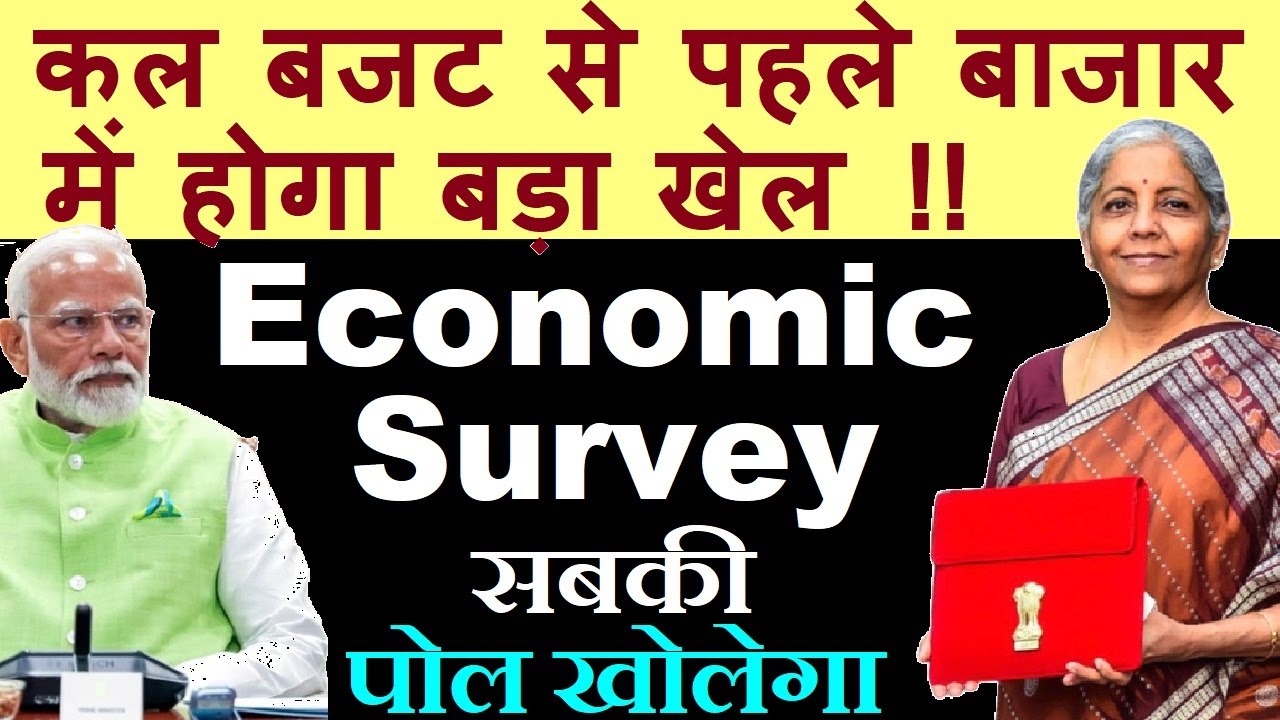
The anticipation for Budget 2025 has reached a fever pitch, with the Economic Survey poised to play a pivotal role in shaping market movements and policy directions. Scheduled for release on January 31, the Economic Survey provides a comprehensive analysis of India’s economic health, sectoral performance, and future trajectory. Investors, policymakers, and market participants are keenly watching for critical insights to guide their decisions. This article delves into the significance of the Economic Survey, its key highlights, and its implications for India’s stock markets and economy.
What is the Economic Survey?
The Economic Survey is an annual document prepared by the Chief Economic Adviser (CEA) and their team. It is presented a day before the Union Budget and serves as a detailed report card of the Indian economy. It covers various aspects, including GDP growth, inflation trends, fiscal performance, and sectoral analysis. Although not binding on the government, the survey often influences policy decisions.
Why January 31 is a Crucial Date for Markets
January 31 is significant because it sets the tone for Budget Day. The Economic Survey provides detailed insights into the performance of the economy over the past year, focusing on sectors such as banking, IT, and manufacturing. This data helps market participants prepare for potential budget announcements and policy changes.
Key Data Points to Watch:
- GDP Growth Trends: The report will outline India’s GDP growth trajectory, highlighting strengths and weaknesses.
- Inflation Insights: Inflation data will be analyzed, offering a glimpse into price stability and monetary policy implications.
- Sectoral Performance: Key sectors like banking, IT, and exports will be under the spotlight.
Highlights Expected in the Economic Survey 2025
1. GDP and Economic Growth
The GDP growth rate is a critical indicator of economic health. Recent trends have shown fluctuations due to global economic challenges and domestic factors. The survey is expected to:
- Highlight GDP performance over the past year.
- Analyze the impact of government policies on growth.
- Provide projections for the upcoming fiscal year.
2. Inflation and Price Stability
Inflation remains a top concern for policymakers and market participants. The survey will:
- Offer insights into retail and wholesale inflation trends.
- Highlight measures to control inflationary pressures.
- Discuss the impact of global commodity prices on domestic inflation.
3. Sectoral Insights
The survey will analyze the performance of various sectors:
- Banking: Updates on non-performing assets (NPAs) and reforms introduced for better financial health.
- IT and Services: Contribution of IT and services sectors to foreign exchange earnings and employment generation.
- Exports: Insights into India’s trade performance and potential growth areas.
- Manufacturing: Performance of industries under the Production Linked Incentive (PLI) scheme.
Stock Market Implications
1. Focus on Retail Investors
The survey is expected to shed light on the growing participation of retail investors in stock markets. While increased participation is a positive trend, speculative behavior among retail investors poses risks. Regulatory measures may be discussed to ensure market stability.
2. Banking Sector
The banking sector’s performance, particularly in managing NPAs, will be a focal point. Improved NPA recovery mechanisms, such as the Insolvency and Bankruptcy Code (IBC), have bolstered the sector, but challenges remain.
3. IT and Export-Oriented Sectors
The IT sector’s role in driving export growth and bringing foreign exchange into the country will be highlighted. Market participants will closely watch for policy support to boost these sectors further.
Emerging Themes in the Economic Survey 2025
1. Forex Reserves
India’s forex reserves have seen fluctuations in recent times. The survey will provide updated data and insights into the reserves’ adequacy for sustaining trade and financial stability.
2. Climate Change and Renewable Energy
With climate change being a critical concern, the government’s commitment to renewable energy targets by 2030 will be analyzed. Investors focusing on green energy projects will find this section particularly valuable.
3. Self-Reliance (Aatmanirbhar Bharat)
The progress of self-reliance initiatives, including the PLI scheme and MSME growth, will be a key focus. Data on their contribution to job creation and economic development will be provided.
Economic Survey and Budget Expectations
While the Economic Survey is not binding on the government, it often sets the stage for budget announcements. Suggestions made in the survey, such as skill development and technology adoption, have historically influenced policy directions. This year, attention may focus on:
- Technology and AI skill development.
- Export-driven economic growth.
- Measures to stabilize markets and protect retail investors.
Conclusion: Why You Should Care About the Economic Survey
The Economic Survey is more than just a statistical report—it is a roadmap for understanding India’s economic challenges and opportunities. For investors, it provides valuable insights to navigate market volatility. For policymakers, it highlights areas requiring attention. As Budget 2025 approaches, all eyes will be on the data and recommendations presented in the Economic Survey.
Stay informed and prepare for the market shifts that follow. The Economic Survey is not just a preview of the budget—it is a guide to India’s economic future.