
Introduction: A New Dawn for India’s Defence Sector
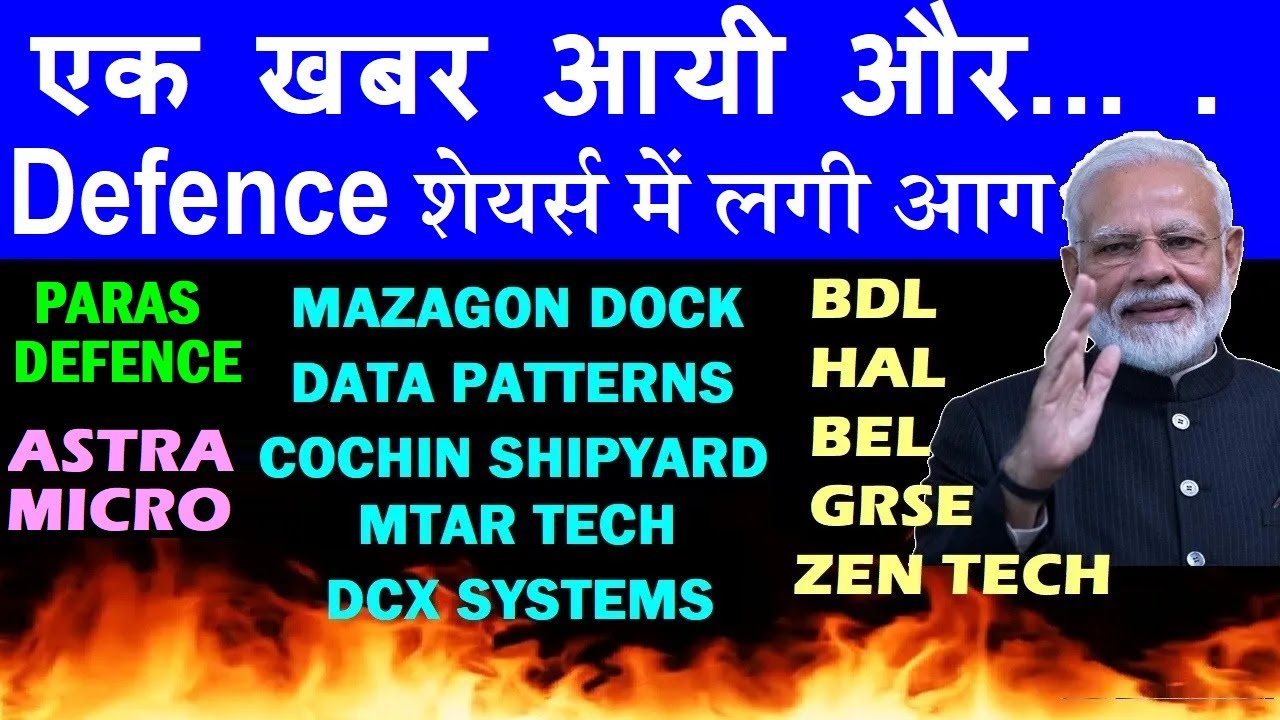
India’s defence sector is at a pivotal moment. The successful execution of Operation Sindoor, a strategic military operation, has not only bolstered national security but also spotlighted the country’s growing defence capabilities. Reports of an additional ₹500 crore allocation to the defence budget have further fueled investor enthusiasm, driving a meteoric rise in defence stocks. Companies such as Garden Reach Shipbuilders & Engineers (GRSE), Cochin Shipyard, Mazagon Dock Shipbuilders, Zentec, Paras Defence, and Hindustan Aeronautics Limited (HAL) have seen their share prices surge, with some hitting upper circuits. This article explores the catalysts behind this rally, the impact of India’s self-reliant defence initiatives, and the future outlook for the sector.
Operation Sindoor: A Game-Changer for India’s Defence Narrative
The Strategic Triumph of Operation Sindoor
Operation Sindoor has emerged as a defining moment for India’s defence landscape. While the operation remains ongoing behind the scenes, a temporary ceasefire has been established. The operation showcased India’s ability to neutralize threats effectively, including intercepting a missile aimed at Delhi, reportedly neutralized over Haryana. This success underscored the robustness of India’s air defence systems and the precision of its fighter jets, which dismantled the adversary’s air defence missile systems.
Global Recognition of India’s Defence Prowess
The success of Operation Sindoor has reverberated globally, elevating India’s defence capabilities to the international stage. While India continues to import certain defence equipment, the operation highlighted the significant contributions of indigenous defence companies. This has sparked widespread discussions about India’s self-reliant defence ecosystem, boosting confidence in homegrown manufacturers and their role in national security.
The ₹500 Crore Boost: Fueling India’s Defence Ambitions
Unpacking the Additional Allocation
Reports suggest that the Indian government is considering an additional ₹500 crore allocation to the defence budget, specifically to support the armed forces post-Operation Sindoor. This funding is over and above the existing defence budget, which stands at approximately ₹6.81 lakh crore (around $77.4 billion) for the fiscal year. The proposed allocation aims to enhance military capabilities through the procurement of advanced weapons, technology, and equipment.
Timing and Parliamentary Approval
The additional funding is expected to be approved during the Parliament’s Winter Session, scheduled from November 25 to December 20, 2025. This session will likely see intense focus on the defence sector, with discussions centered on strengthening India’s military infrastructure. The prospect of this funding has already triggered a bullish sentiment in the stock market, as investors anticipate increased orders for defence companies.
Impact on the Defence Budget
The current defence budget accounts for 13.4% of India’s total budget. With the proposed ₹500 crore addition, the defence budget could surpass ₹7 lakh crore for the first time. Looking ahead, experts predict that the defence budget will continue to grow, potentially doubling in the coming years as India prioritizes modernization and self-reliance.
The Defence Stock Rally: Winners and Trends
Why Defence Stocks Are Soaring
The announcement of the potential ₹500 crore allocation has acted as a catalyst for defence stocks. Companies like GRSE, Cochin Shipyard, Mazagon Dock, Zentec, Paras Defence, and HAL have witnessed a one-sided rally, with some stocks hitting upper circuits. This surge is driven by market anticipation of increased government contracts and orders, particularly for state-owned enterprises.
Key Players in the Rally
- Garden Reach Shipbuilders & Engineers (GRSE): Known for its expertise in warship construction, GRSE is poised to benefit from increased naval orders.
- Cochin Shipyard: A leader in shipbuilding, Cochin Shipyard is expected to secure contracts for both commercial and defence vessels.
- Mazagon Dock Shipbuilders: Specializing in submarines and warships, Mazagon Dock is a key beneficiary of India’s naval modernization efforts.
- Zentec and Paras Defence: These private players are gaining traction with their innovative defence technologies, including drones and missile systems.
- Hindustan Aeronautics Limited (HAL): As a cornerstone of India’s aerospace sector, HAL is set to capitalize on orders for fighter jets and helicopters.
Market Dynamics: Predicting the Future
The stock market operates on future expectations, often reacting to anticipated events well in advance. In this case, the defence stock rally reflects the market’s confidence in the upcoming Winter Session and the long-term growth of India’s defence budget. Investors are betting on sustained government support and increased defence spending, particularly in light of India’s ‘Atmanirbhar Bharat’ (Self-Reliant India) initiative.
Atmanirbhar Bharat: The Rise of Indigenous Defence Companies
The Push for Self-Reliance
The ‘Atmanirbhar Bharat’ initiative has been a cornerstone of India’s defence strategy, emphasizing the development of indigenous defence capabilities. The government has prioritized domestic manufacturers, with 80-90% of the proposed ₹500 crore allocation likely to be directed toward state-owned and private Indian defence companies. This focus on self reliance is expected to drive innovation and reduce reliance on imports.
State-Owned vs. Private Players
While state-owned enterprises like GRSE, Cochin Shipyard, Mazagon Dock, and HAL dominate defence contracts, private players like Zentec and Paras Defence are carving out a niche. Government policies favor public sector undertakings, but private companies are increasingly contributing to areas like electronics, drones, and missile technology. This dynamic is fostering a competitive and innovative defence ecosystem.
India’s Defence Exports: A 34-Fold Leap
From ₹686 Crore to ₹23,622 Crore
India’s defence exports have witnessed a remarkable 34-fold increase over the past decade. In 2013-14, defence exports stood at a modest ₹686 crore. By the financial year 2024-25, this figure has soared to ₹23,622 crore. This growth reflects India’s emergence as a credible exporter of defence equipment, including missiles, naval vessels, and electronics.
Ambitious Targets for 2029
The government has set a target of achieving ₹50,000 crore in defence exports by 2029. This ambitious goal underscores India’s commitment to becoming a global defence manufacturing hub. The focus on exports is also driving domestic companies to enhance their technological capabilities and meet international quality standards.
Key Export Markets
India’s defence exports are finding takers in regions like Southeast Asia, Africa, and the Middle East. Products such as the BrahMos missile, Tejas fighter jets, and naval patrol vessels are gaining international recognition, further boosting the prospects of Indian defence companies.
The Role of the Stock Market: Anticipating Future Gains
The Golden Rule of Market Prediction
The stock market thrives on foresight, adjusting to future possibilities at current levels. The current defence stock rally is a classic example of this principle. Investors are factoring in the potential ₹500 crore allocation, the Winter Session’s outcomes, and the long-term growth of India’s defence budget. This forward-looking approach explains why defence stocks are surging months before the Winter Session.
Why Some Investors Are Surprised
When significant announcements, such as a ₹50,000 crore defence budget increase, are made, some investors are surprised by the lack of immediate stock price reactions. This is because the market has already priced in these developments months in advance. The current rally in defence stocks is a testament to the market’s ability to anticipate and adjust to future events.
What to Expect from the Winter Session
Key Focus Areas
The Winter Session, commencing on November 25, 2025, will be a critical juncture for the defence sector. Discussions will likely center on the proposed ₹500 crore allocation, with a focus on procuring advanced weaponry, upgrading technology, and enhancing military infrastructure. The session will also shed light on the government’s long-term vision for defence modernization.
Potential Outcomes
While the exact allocation amount remains unconfirmed, the market is optimistic about a positive outcome. Even if the allocation is adjusted to ₹400 crore or ₹600 crore, the impact on defence companies will be significant. Investors should monitor the session closely for updates on funding and contract awards.
Future Outlook: A Booming Defence Sector
Sustained Budget Growth
India’s defence budget is projected to grow significantly in the coming years. The current 9.5% annual increase is expected to accelerate, driven by geopolitical dynamics and the need for modernization. By 2026, the defence budget could approach ₹8 lakh crore, creating substantial opportunities for defence companies.
Technological Advancements
The focus on self-reliance is spurring innovation in areas like artificial intelligence, drones, and missile technology. Companies investing in research and development will likely gain a competitive edge, securing larger contracts and export orders.
Global Positioning
India’s growing defence exports and strategic operations like Sindoor are enhancing its global standing. As the country strengthens its defence manufacturing capabilities, it is poised to become a key player in the international defence market.
Investment Considerations: Navigating the Defence Stock Boom
Opportunities for Investors
The defence sector offers significant opportunities for investors, particularly in light of the government’s focus on self-reliance and export growth. Stocks like GRSE, Cochin Shipyard, Mazagon Dock, Zentec, Paras Defence, and HAL are well-positioned to benefit from increased orders and budget allocations.
Risks to Watch
While the outlook is bullish, investors should be mindful of risks such as delays in budget approvals, geopolitical uncertainties, and market volatility. Consulting with a financial advisor is recommended to make informed investment decisions.
Long-Term Potential
The defence sector’s long-term potential is undeniable, driven by sustained government support, export growth, and technological advancements. Investors with a long-term horizon may find defence stocks to be a valuable addition to their portfolios.
Conclusion: Riding the Defence Sector Wave
India’s defence sector is on an upward trajectory, propelled by the success of Operation Sindoor, a potential ₹500 crore budget boost, and the government’s commitment to self-reliance. The rally in defence stocks reflects the market’s confidence in the sector’s growth prospects, driven by increased government spending, export potential, and technological innovation. As the Winter Session approaches, all eyes will be on Parliament to confirm the additional allocation and outline the future of India’s defence strategy. For investors, the defence sector presents a compelling opportunity to capitalize on India’s rise as a global defence powerhouse.
Disclaimer: This article is for educational purposes only. Investment decisions should be made in consultation with a qualified financial advisor.