
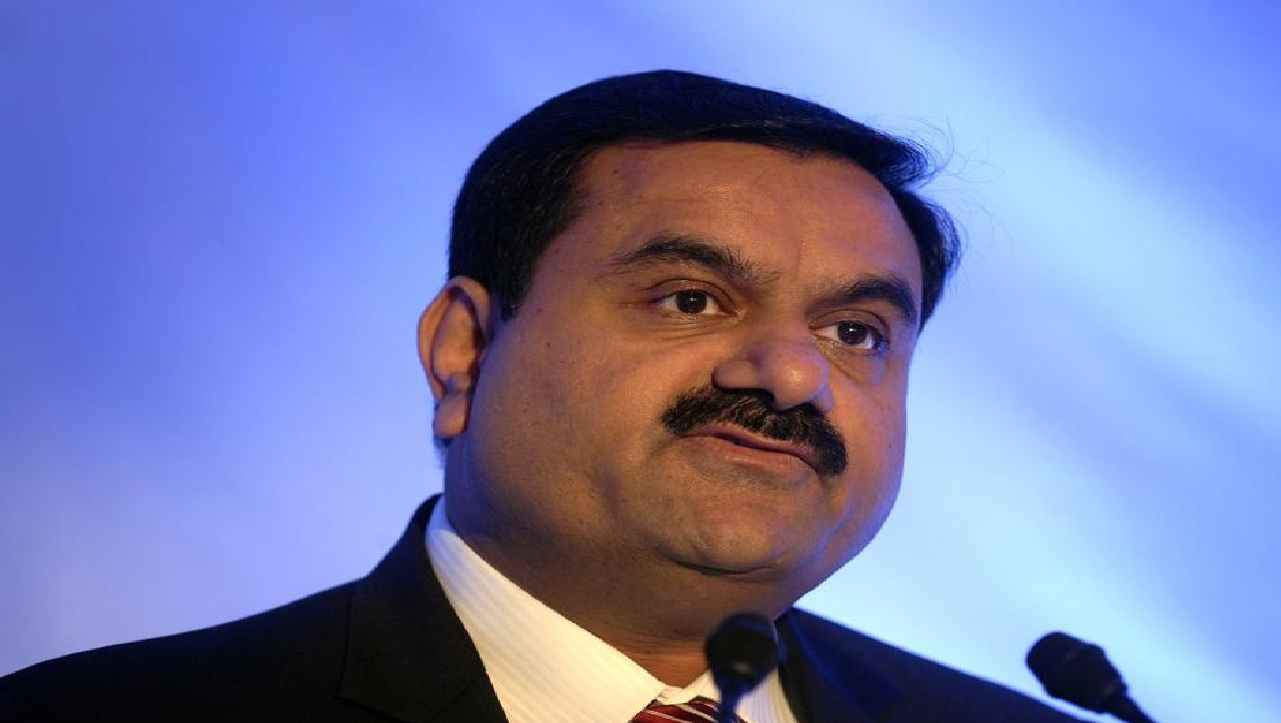
The Unfolding Saga: Gautam Adani US indictment.
In a significant turn of events, a New York court has formally issued an Indictment against Indian industrialist Gautam Adani, founder of the The Adani Group. According to the evidence collected and as supported by the FBI and the Department of Justice, Adani and eight conspirators including his nephew Sagar Adani, were involved in a financial scam worth billions of dollars that revolved around the christening of a solar power project in India.
This case particulars also emphasize that between 2020 and 2024, dirtier government officials were earmarked a 265 million dollar informal payment (approximately ₹2,236 crores). The prosecutors allege Adani bribed lawmakers as he was in charge of negotiations to gain profitable deals for his business, which would render Adani’s company two billion dollars worth of revenue in twenty years.
Understanding the Allegations: Bribery and Securities Fraud
The indictment details five counts of offenses against Adani and his associates:
Violation of the Foreign Corrupt Practices Act (FCPA):
The FCPA is a Law standing against US citizens engages in bribery wherever in the world. As per the complainants, Adani used middlemen and shell companies funded by the US to bribe officials in India. Such evidence purportedly makes efforts to sabotage officials into selling more expensive solar energy than the fair price through electronic messages ordering such transactions.
Securities Fraud Conspiracy:
Investors claim that the Adani Group used their issued bonds as collateral against counterfeit financial statements. Worse, the altered Data disguised all the risks inherent in these bonds and as a result investors suffered massive losses. In connection with these events, it is worthy to mention that Adani Green recently managed to cancel a bond that was supposed to be worth over $600 million.
Obstruction of Justice:
Charges include obstructing the investigation by the FBI, destroying relevant evidence, and failing to testify truthfully. It was reported that documents including self-made initiation codes on people involved in the bribery conspiracy, as well as summaries of the transactions, were all purportedly destroyed.
Global Perspective and Economic Consequences
This indictment, or other particulars as it deals with, is not restricted only to the court’s boundaries. The shares of Adani Group fell sharply, mirroring the aftermath of the March, 2022 African Business report which labelled fraud on the group. This crisis has however dealt India one further blow in its effort to build a respectable image in the international arena, raising fundamental concerns relating to the integrity of its corporate and judicial institutions.
The other allegations also point to weaknesses in the system. They argue that investigations such as the ones arising from the allegations by the Hindenburg, and others into this Adani Group were either not initiated or grossly insufficiently pursued by Indian agencies. Such inactivity is fast turning into a matter of shame for the country.
Political Repercussions and Contribution of Indian Politics
This case has again sparked political controversies in India. The opposition leader, Rahul Gandhi has sorely asked why Adani is still roaming about doing business with many encumbrances. The BJP ruling party, on the other hand, stuck to Adani and claimed that opposition ruled states operated in the same fashion. This political tussle has diverted focus from public appeals of setting up a Joint Parliamentary Committee (JPC) which should on the other hand enable some transparency and responsibleness.
Defending Against all Odds; Pushing Strategies
The Adani Group, for their part, remains resolute, describing such allegations as entirely untrue and pledging to oppose any claims’ legal suits. In response to the difficulties faced by his business, Gautam Adani has on the other hand offered to improve connections with the US and business partners by investing $10 billion into energy security and improving infrastructure.
Equally, Trump’s relationship with Adani is going to be crucial. As someone who criticized the FCPA and the US policies, suggesting they make US businesses uncompetitive, he may be targeting to go on the offensive if he soon wins an election.
The Bigger Picture: Corporate Citizenship vis a vis State Sovereignty
The Adani Group’s predicament is however good illustration on the kinds of corporate governance and the level of the judicial system that India currently has. They never come close in seriousness to the charge that Indian businesses have endeavored to circumvent regulatory scrutiny even as it has been noted that the allegations are severe. Comments made in relation to agencies enforcing regulations like SEBI and others certainly suggest that more could have been done to prevent international scandals of this nature from occurring.
In any of these debates, another meaningful question appears, namely ethnicity As an Indian, is Gautam Adani all about India? There is no denying the fact that the Adani Group has aided in dealing with the infrastructural deficit of the country. However, such abusive language directed at the conglomerate brings India’s sovereignty into question. Concerns multiply when such questions are posed together with comparing other prominent conglomerates like Tata and Infosys which are uncontested and have bypassed these issues.
Conclusion: The Path Ahead
The charges brought against Gautam Adani and the Adani Group in general represent a watershed moment in both the history of the Adani Group and Indian corporates. However, as the legal fight progresses – can the group of mansions surpass this hurdle and regain investor confidence? More importantly, this matter has also made a case for India to be more accountable and govern the economy in a manner that it does not have to deal with such crooked affairs on the account of progress expanding whilst preserving growth and heft slanders of buying influence.
Tackling these problems effectively will help India’s soft power go to the next level and also help attract foreign funding without losing their integrity. The one query that lingers is that, whether the episode is able to deliver a change in the attitude of Indian corporates towards ethics or is it yet another case in the history of nations filled with conflicts?