
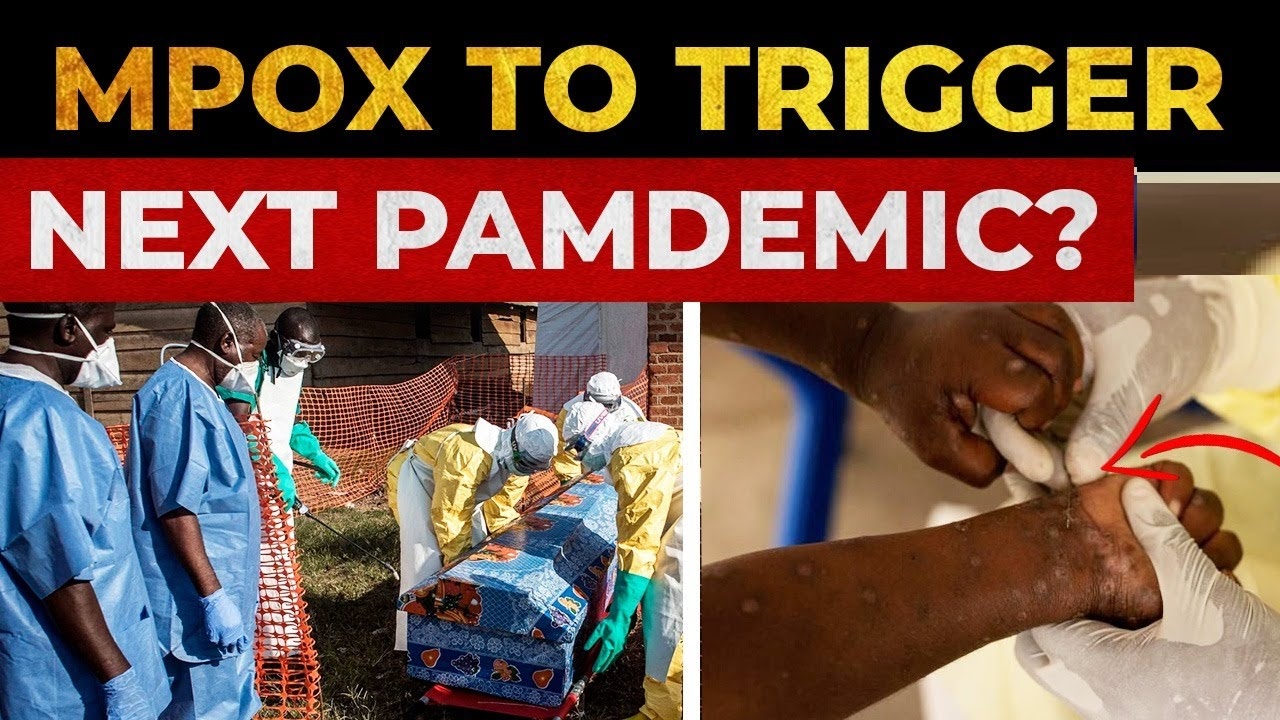
Mpox, a viral zoonotic disease, predominantly emerges in the tropical rainforest regions of Central and West Africa. While this disease is primarily limited to these areas, it occasionally surfaces in other regions. The recent outbreak in Africa, which has led to over 14,000 cases and 524 deaths, has compelled the World Health Organization (WHO) to declare Mpox a global health emergency. As concerns about its spread grow, many are questioning whether Mpox can transmit through the air as easily as COVID-19.
Transmission Dynamics of Mpox vs. COVID-19
Mpox does not spread as efficiently through respiratory droplets as COVID-19 or even the flu. According to infectious disease experts, while respiratory droplets may play a role in the transmission of Mpox, it is far less significant compared to the primary modes of transmission such as direct skin-to-skin contact, especially during intimate or sexual encounters. This marks a stark contrast to COVID-19, where airborne transmission is a major factor in its spread.
Symptoms and Modes of Transmission
Mpox manifests through symptoms like fevers, headaches, muscle aches, and notably, painful boils on the skin. The primary mode of transmission is through close, skin-to-skin contact, often during prolonged interactions. The US Centers for Disease Control and Prevention (CDC) notes that prolonged face-to-face interactions—such as talking or breathing—could potentially increase the risk of Mpox transmission. However, these interactions are far less significant in spreading the virus compared to direct contact during intimate activities.
Role of Respiratory Droplets in Mpox Transmission
While there is evidence suggesting that respiratory droplets might contribute to Mpox transmission, it is not the primary mode. According to Dr. Dipu T S, a Professor and Unit Chief at Amrita Hospital’s Infectious Diseases Department, respiratory droplets play a minimal role compared to direct intimate contact. The WHO supports this view, indicating that while respiratory droplets and possibly short-range aerosols can result in transmission, they are not the dominant means.
A study from the University of New South Wales in Australia highlighted that in the current outbreak caused by the Clade 1 strain, a significant number of cases and deaths occurred in children in the Democratic Republic of Congo (DRC). This suggests a potential role for respiratory transmission, particularly among those in close proximity or in poorly ventilated environments. However, this mode of transmission remains secondary to direct contact methods.
Comparing the Clades: Clade IIb vs. Clade I
The global Mpox outbreak of 2022-2023 was caused by the Clade IIb strain. Since its emergence, the WHO has reported 99,176 cases and 208 deaths across 116 countries. In India, a total of 30 cases were detected, with the last case reported in March 2024. While Clade IIb has been the focus, global scientists warn that if the more pathogenic Clade I strain becomes highly transmissible among humans, it could pose a greater pandemic threat.
Despite these concerns, WHO’s regional director for Europe, Hans Kluge, emphasized that Mpox, regardless of the clade, is not the new COVID-19. Health authorities have effective methods to control its spread, which greatly reduces the risk of a global pandemic akin to COVID-19.
Preventative Measures and Vaccination
Currently, there is no proven treatment for Mpox. However, vaccines are available to help prevent its spread. The Bavarian Nordic’s MVA-BN vaccine (Jynneos/Imvanex), which is approved in the US, Europe, and Canada, is the leading Mpox vaccine globally. Additionally, Japan offers the KM Biologics’ LC16 vaccine, and the US is reviewing Emergent BioSolutions’ ACAM2000 for Mpox. Notably, the Serum Institute of India (SII), the world’s largest vaccine manufacturer, is also working on developing a vaccine for Mpox, with positive news expected within a year.
How Mpox Spreads: Beyond Direct Contact
Mpox spreads through close personal contact, particularly through direct skin-to-skin interaction with an infected individual’s rash or scabs. It can also spread via contact with saliva, respiratory secretions, and bodily fluids. Pregnant individuals can transmit the virus to their fetus during pregnancy, or to the newborn during and after birth. The virus can also spread through contact with contaminated objects, fabrics, and surfaces, making hygiene and disinfection crucial in preventing its spread.
While the likelihood of Mpox transmission from animals to humans exists, particularly in areas where the disease is endemic, it remains relatively rare. Infected animals can pass the virus to humans through direct contact, such as bites or scratches. Activities like hunting or processing wild animals in endemic areas also pose risks.
Dispelling Myths: Can Mpox Spread Through Water?
Contrary to some concerns, no evidence supports the spread of Mpox through water in pools, hot tubs, or splash pads. The virus does not survive in water treated with recommended chlorine levels, as required by U.S. jurisdictions for recreational water venues.
Ongoing Research and Public Health Recommendations
As scientists continue to research Mpox, especially how often the virus can spread through respiratory secretions and whether it can be transmitted through bodily fluids like semen or urine, the public is advised to remain cautious. Avoiding close contact with infected individuals and maintaining good hygiene practices, such as regular handwashing and surface disinfection, are vital in preventing the transmission of Mpox.
Conclusion: Understanding the Risks
While Mpox can potentially spread through respiratory droplets, its transmission is significantly less efficient than that of airborne viruses like COVID-19. The primary risk lies in direct, intimate contact with an infected person. With ongoing research and preventive measures, including vaccination, the spread of Mpox can be controlled, reducing the risk of a widespread outbreak. Public awareness and adherence to health guidelines remain key in managing the threat of Mpox.