
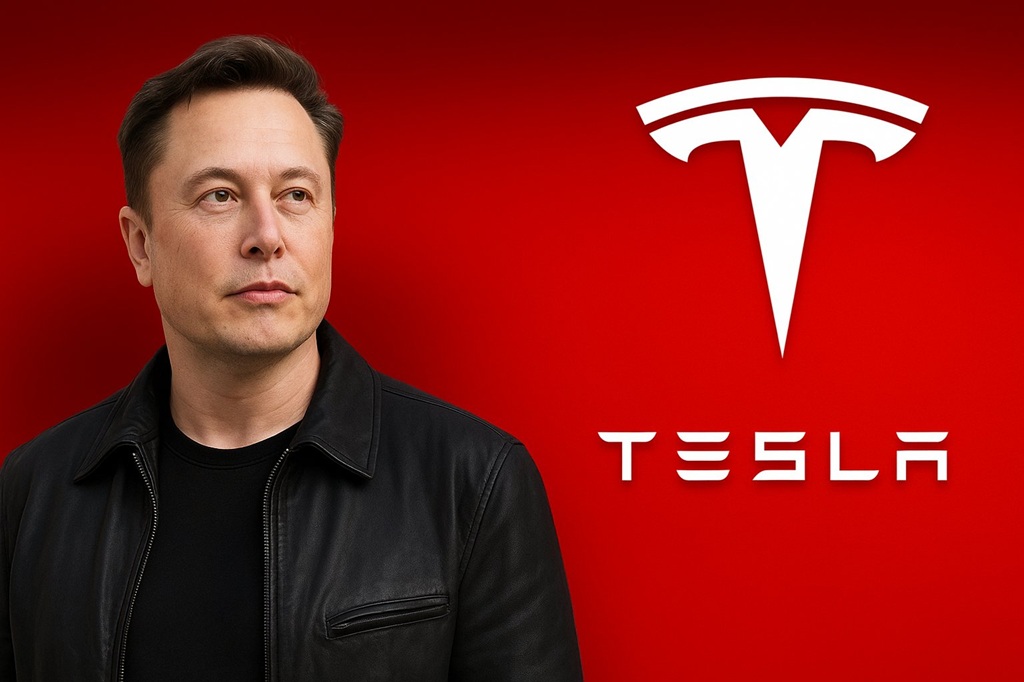
Elon Musk captivates the world with his bold visions, and Tesla’s recent shareholder decision amplifies that intrigue. Shareholders overwhelmingly approved a groundbreaking compensation plan that could propel Musk to become the planet’s first trillionaire. This package, valued at up to $1 trillion in stock grants, ties Musk’s future tightly to Tesla’s success over the next decade. As Tesla navigates electric vehicles, autonomous driving, and robotics, this move signals immense confidence in Musk’s leadership. Yet, it comes with stringent conditions that demand extraordinary growth. In this article, we explore the details, implications, and broader context of this historic pay package, alongside Tesla’s stock performance and market outlook.
Unveiling Elon Musk’s Historic Tesla Compensation Plan
Tesla shareholders made history on November 6, 2025, by approving a compensation package for CEO Elon Musk that could reach $1 trillion in value. This isn’t a straightforward salary; instead, Musk receives stock grants unlocked only through ambitious milestones. Musk, already the world’s richest individual with a net worth exceeding $300 billion, forgoes a traditional paycheck to align his incentives with Tesla’s long-term triumphs.
The plan structures as a series of 12 tranches, each releasing shares as Tesla hits specific targets. If all conditions align, the total grant could equate to $1 trillion based on an $8.5 trillion market capitalization goal. This dwarfs previous corporate payouts and underscores Tesla’s bet on revolutionary technologies like AI and robotics. Musk himself emphasized the package’s role in securing his commitment, warning he might depart without it. Shareholders, with over 75% support, endorsed this vision during the annual meeting, overriding concerns from proxy advisors like Glass Lewis and ISS.
This approval arrives amid broader economic debates. While Musk’s deal celebrates extreme wealth creation, it contrasts with rising calls for wealth redistribution. For instance, New York City’s recent election of a “tax-the-rich” mayor highlights societal tensions over inequality. Tesla’s board crafted this package in September 2025 to retain Musk, granting him increased voting power and tying his fate to the company’s innovations. As Tesla expands globally, from gigafactories in China to energy storage in Australia, this plan positions Musk as the architect of a tech empire.
Critics argue the package risks diluting shareholder value, but proponents see it as fuel for Tesla’s dominance in sustainable energy and autonomous mobility. Musk’s track record—transforming Tesla from a niche EV maker to a $1.5 trillion behemoth—justifies the gamble. Over the past decade, Tesla disrupted the auto industry, outpacing legacy giants like Ford and GM through innovation and sheer ambition.
Key Milestones and Conditions for Unlocking the $1 Trillion Package
Tesla sets the bar extraordinarily high for Musk to claim his full compensation. Over 10 years, he must achieve five pivotal targets that blend financial prowess with operational breakthroughs. First, Tesla’s market capitalization must skyrocket from its current $1.5 trillion to $8.5 trillion—a staggering 460% stock surge from today’s levels around $446 per share. This alone would redefine corporate valuations, placing Tesla among history’s most valuable entities.
Second, Tesla aims to deploy 1 million robotaxis, revolutionizing urban transportation. Robotaxis, powered by Full Self-Driving (FSD) technology, promise to generate recurring revenue through ride-hailing services. Musk envisions a future where Tesla vehicles earn money autonomously, potentially adding billions to the bottom line.
Third, the company targets selling an additional 12 million vehicles. With current annual sales hovering around 2 million, this requires massive production ramps, new models like the Cybertruck variants, and penetration into emerging markets such as India and Southeast Asia. Tesla’s Shanghai Gigafactory already exemplifies this scalability, but global supply chain hurdles and competition from BYD and Volkswagen loom large.
Fourth, securing 10 million FSD subscriptions forms a core revenue stream. FSD, Tesla’s advanced driver-assistance system, evolves through over-the-air updates, turning cars into appreciating assets. Subscriptions could yield high-margin software income, insulating Tesla from hardware commoditization.
Finally, selling 1 million humanoid robots rounds out the goals. Optimus, Tesla’s robotics project, aims to automate factories, homes, and services. Musk predicts robots could outnumber humans, creating a new industry worth trillions. Achieving this demands advancements in AI, battery tech, and manufacturing—areas where Tesla invests heavily.
These conditions ensure Musk focuses on transformative growth rather than short-term gains. If successful, the payout averages $275 million daily, a surreal figure that reflects Tesla’s moonshot ambitions. Failure on any front locks away tranches, aligning incentives with shareholder interests. Analysts debate feasibility; some see $8.5 trillion as pie-in-the-sky, while optimists point to Tesla’s 481% five-year stock growth as precedent.
Tesla’s Stock Performance: Resilience in a Volatile Market
Tesla’s stock demonstrates remarkable resilience amid 2025’s market turbulence. As of November 6, 2025, TSLA closed at $446.11, reflecting a year-to-date gain of 10.47% from an opening price of $379.28. This performance outshines broader indices, with the stock hitting a 2025 high of $468.37 and a low of $221.86. Over the past month, shares climbed 13.62%, bucking downturns in tech sectors.
Historically, Tesla’s trajectory inspires awe. From its 2010 IPO at around $17 (split-adjusted), the stock surged 481.57% over five years and 46.95% in the last year. This growth stems from Tesla’s pivot to mass-market EVs, energy products like Powerwall, and software innovations. In 2024, shares jumped 62.52% amid Cybertruck launches and record deliveries.
Trading volume underscores investor enthusiasm, averaging 88 million shares daily. On November 7, 2025, volume reached 87.75 million, signaling active trading despite volatility. High volume often precedes major moves, especially around earnings or announcements like the pay package vote.
Analyst sentiment leans positive, with 34 Buy and 15 Hold ratings. Price targets range from $247 (UBS) to $500 (Piper Sandler), with a median of $395.54. A high target of $600 suggests 35% upside, driven by AI and robotics potential.
Market cap stands at $1.483 trillion, making Tesla the 10th most valuable company globally. The 15.56 price-to-sales ratio reflects expectations of revenue growth, particularly from autonomy and energy.
Decoding Tesla’s Innovative Market Strategy
Tesla revolutionizes the automotive landscape through relentless innovation. The company invests billions in R&D, focusing on battery technology that extends range and reduces costs. Breakthroughs like 4680 cells promise cheaper, longer-lasting batteries, enabling affordable models for mass adoption.
Autonomous driving anchors Tesla’s strategy. FSD software, trained on billions of miles of real-world data, edges closer to full autonomy. Recent updates enhance highway navigation and urban handling, positioning Tesla against rivals like Waymo and Cruise.
Global expansion fuels growth. Tesla operates gigafactories in the US, China, Germany, and plans one in Mexico. This network mitigates supply risks and taps regional demands. In energy, Tesla’s Megapack batteries power grids, contributing to a sustainable future.
Competitive edges include vertical integration—controlling everything from mining to software—and a loyal fanbase. Tesla’s direct-to-consumer model bypasses dealerships, improving margins. As EVs gain traction, with global sales projected to hit 17 million in 2025, Tesla leads with 20% market share.
Challenges persist: Raw material shortages, regulatory scrutiny on FSD, and intensifying competition. Yet, Tesla’s strategy emphasizes scalability and diversification, from solar roofs to insurance tied to driving data.
Elon Musk’s Profound Impact on Tesla’s Market Sentiment
Elon Musk drives Tesla’s narrative like no other CEO. His visionary tweets and announcements sway stock prices, blending innovation with showmanship. Recent projects, like Optimus robots demonstrated at events, spark optimism and volatility.
Musk’s leadership fosters a cult-like following. Social media buzz around Tesla mixes excitement for launches with caution over timelines. His political stances, including support for certain policies, influence perceptions, sometimes causing dips.
Despite controversies, Musk’s track record—SpaceX successes, Neuralink advances—bolsters confidence. He transforms Tesla into a tech conglomerate, not just an automaker. Investors bet on his ability to deliver moonshots, as seen in the pay package approval.
Technical Indicators and Trading Dynamics for Tesla Investors
Technical analysis reveals Tesla’s balanced stance. The Relative Strength Index (RSI) at 56.89 indicates neither overbought nor oversold conditions, suggesting stability. Moving Average Convergence Divergence (MACD) near zero hints at potential trend shifts.
Trading volume’s robustness—87.75 million recently—reflects sustained interest. High volume during volatility often signals accumulation by institutions. The price-to-sales ratio of 15.56 underscores growth expectations.
For investors, these metrics advise caution amid broader market swings. Support levels around $400 and resistance at $468 guide strategies.
Future Projections: Tesla’s Road to $8.5 Trillion and Beyond
Forecasts paint an optimistic yet varied picture. By December 2025, some predict shares dropping to $399, while others see $459 average. Long-term, autonomy and robotics could drive EPS growth, with 2026-2030 projections eyeing $500+ shares.
Market cap projections hinge on milestones. Hitting $8.5 trillion requires compounding growth, possibly through robotaxi fleets generating $10 billion annually. Analysts highlight US EV incentives expiring as a near-term hurdle, but AI advancements offer upside.
Valuation models vary: DCF suggests overvaluation at $69-138 per share, but forward models factor in disruptive potential. Tesla’s path involves navigating China competition and regulatory approvals for FSD.
Challenges and Risks in Tesla’s Ambitious Journey
Tesla faces formidable obstacles. Competition from Chinese EV makers like BYD erodes market share. Supply chain disruptions, lithium price fluctuations, and geopolitical tensions add risks.
Regulatory scrutiny intensifies, especially on autonomous tech following incidents. Economic slowdowns could dampen vehicle demand, while interest rate hikes pressure financing.
Internally, scaling robotics and robotaxis demands flawless execution. Musk’s divided attention across ventures raises concerns, though the pay package mitigates this.
Despite risks, Tesla’s innovation moat provides resilience. Diversification into energy and AI cushions auto volatility.
The Broader Implications for EV and Tech Industries
Tesla’s pay package ripples across industries. It sets precedents for executive compensation, emphasizing performance over base pay. In EVs, Tesla accelerates adoption, pushing rivals to innovate.
Tech sectors eye Tesla’s AI and robotics as blueprints. Success could validate trillion-dollar valuations for disruptors, reshaping investment landscapes.
Globally, Tesla promotes sustainability, influencing policies on green energy. Yet, wealth concentration sparks debates on equity in tech-driven economies.
Conclusion: Betting on Tesla’s Transformative Future
Tesla’s approval of Musk’s $1 trillion package bets on audacious growth, potentially crowning him the first trillionaire. With resilient stock performance, innovative strategies, and lofty goals, Tesla charts a course to redefine mobility and energy. Investors weigh opportunities against risks, but Musk’s vision inspires confidence. As Tesla evolves, it remains a beacon for tech enthusiasts and a focal point for market watchers.
Frequently Asked Questions (FAQs)
Why does Tesla’s stock performance matter today?
Tesla’s stock showcases resilience in volatile markets, with high trading volume indicating strong investor interest despite dips.
How does Elon Musk shape Tesla’s market position?
Musk’s innovative decisions and public persona directly influence sentiment, driving stock movements through announcements and strategies.
What do technical indicators reveal about Tesla’s stock?
Indicators like RSI at 56.89 and near-zero MACD suggest stability, offering a balanced short-term outlook for investors.