
Introduction
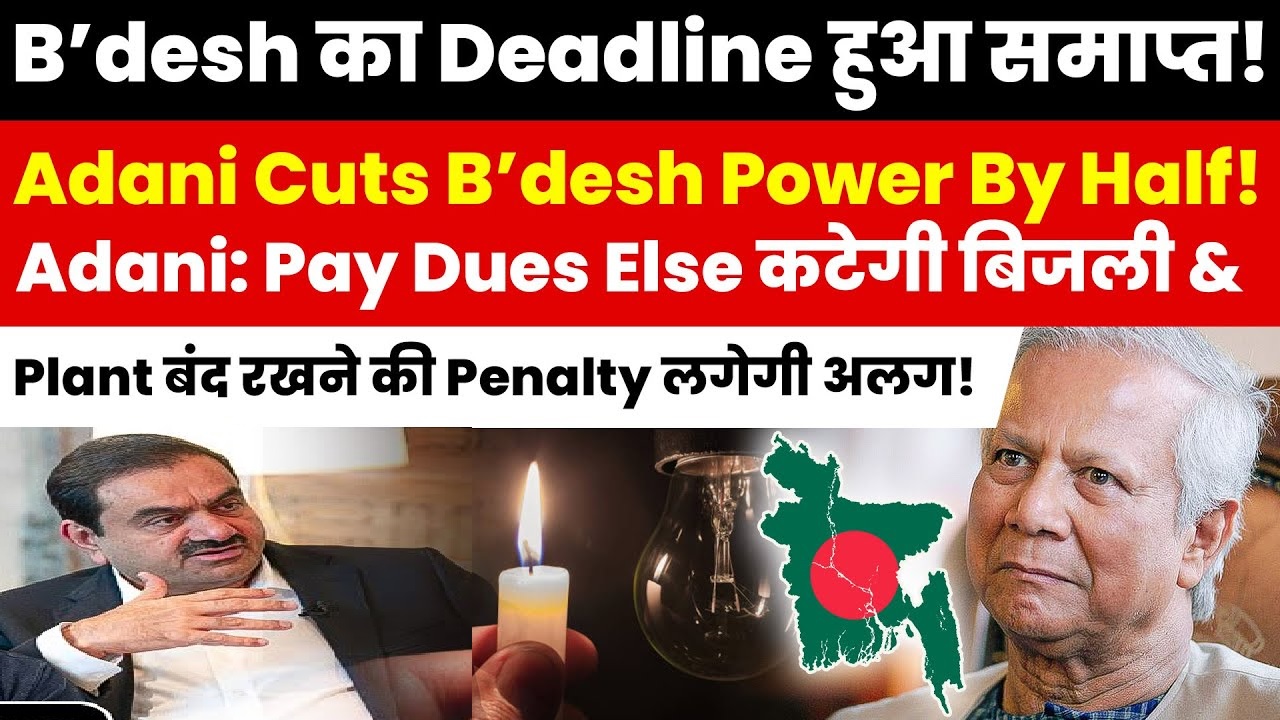
Adani Power’s recent decision to cut its power supply to Bangladesh by 50% has intensified the country’s economic challenges, exacerbating energy shortages and highlighting issues with financial stability. Bangladesh, already facing a significant economic downturn, now struggles with a growing energy deficit due to unpaid dues of $846 million owed to Adani Power Jharkhand Limited (APJL). This article explores the causes, impacts, and broader implications of this power supply reduction on Bangladesh’s economy.
Adani Power Halves Supply Due to Unpaid Dues
On October 31, Adani Power reduced its supply to Bangladesh, citing overdue payments of $846 million from the Bangladesh Power Development Board (PDB). The 1,496 MW Adani plant, which previously supplied a significant portion of Bangladesh’s electricity, has cut output by half, now generating only 700 MW. This power reduction has led to a supply shortfall of over 1,600 megawatts (MW), affecting industries, businesses, and households across the country.
Dollar Shortage Worsens Payment Issues
Bangladesh’s economic troubles are further complicated by a severe dollar shortage, which has restricted the country’s ability to make international payments. High global energy prices have increased the cost of imports, straining foreign currency reserves. The PDB has attempted to clear portions of its dues but has struggled to meet the financial obligations due to escalating energy costs tied to the global coal index. Although Bangladesh Krishi Bank agreed to issue a $170 million letter of credit to Adani Power, it has yet to be processed due to limited dollar availability.
The Energy Crisis Deepens in Bangladesh
With Adani Power halving its energy supply, Bangladesh faces an intensifying energy crisis. As power shortages grow, frequent blackouts are disrupting industries crucial to the nation’s economy, such as manufacturing and textile production. These industries are not only essential for domestic employment but are also major contributors to export revenue. The cut in energy supply has led to reduced production, which may adversely impact Bangladesh’s export earnings and foreign currency inflow.
Rising Energy Costs and Financial Implications
The Power Purchase Agreement (PPA) between Adani Power and the PDB includes provisions for pricing adjustments based on coal indices from Indonesia and Australia. In 2022, the PDB negotiated a temporary agreement with Adani to reduce coal prices, but this deal expired, and Adani reinstated the original pricing terms. With coal prices continuing to rise, the PDB has found it increasingly difficult to make weekly payments, which are now approximately $22 million, while current payments fall around $18 million.
Adani’s insistence on recovering its dues as per the PPA has added financial strain to the PDB, which may affect the company’s cash flow. This situation reflects the financial risks Bangladesh could face if other international power providers decide to impose similar restrictions due to payment delays.
Bangladesh’s Broader Economic Challenges
The economic impact of Adani Power’s supply cut underscores Bangladesh’s vulnerabilities in the face of global market fluctuations, supply chain disruptions, and reduced export earnings. Bangladesh’s reliance on imported fuel, combined with its dollar shortage, has intensified inflation, making essentials like food and fuel more expensive. As foreign reserves dwindle, Bangladesh’s ability to stabilize its currency and manage inflation becomes increasingly challenging.
Potential Impact on Energy Security and Long-Term Stability
Energy security is vital for Bangladesh’s economic growth, and consistent power supply is crucial for maintaining industrial productivity. However, with the current supply disruptions, the nation’s energy agreements are under scrutiny, as future payments and terms may be uncertain. If the PDB is unable to meet financial obligations, other power suppliers might reconsider their terms, creating a potentially volatile situation for Bangladesh’s energy sector. Adani Power’s decision to invoke rights under the PPA for recovery of capacity payments could set a precedent that other energy providers may follow, impacting Bangladesh’s financial stability further.
Steps Taken by the Interim Government
Following the ouster of former Prime Minister Sheikh Hasina, Bangladesh is currently under the leadership of an interim government headed by Nobel Laureate Professor Muhammad Yunus. In response to Adani Power’s decision, Gautam Adani has reached out to Chief Adviser Yunus, requesting urgent intervention to settle the outstanding dues. This high-level appeal reflects the serious implications of the supply cut and the need for immediate action to address the financial constraints that are jeopardizing the nation’s power supply.
Conclusion: A Wake-Up Call for Energy Independence
Adani Power’s supply reduction is a stark reminder of Bangladesh’s dependency on imported energy and its financial vulnerability in times of economic stress. As the country grapples with power shortages, inflation, and a weakening currency, it is increasingly important for Bangladesh to explore energy diversification strategies. Long-term solutions may include investments in renewable energy, improved financial management, and reducing reliance on imported fuel. Without decisive action, Bangladesh’s economic stability and energy security remain at risk