The much-anticipated $8.5 billion merger between Reliance Industries and Disney’s Indian media assets has finally received the green light from the Competition Commission of India (CCI) in August 2024. However, this approval came with a set of voluntary modifications aimed at addressing potential anti-competitive concerns in the Indian sports broadcasting market. The CCI, in its non-confidential order published on October 22, outlined how the merger was structured to mitigate any market distortions.
Initial Concerns Raised by CCI
In the CCI’s preliminary review, it was evident that the merger could create a dominant player in the sports broadcasting sector. With both Reliance’s Viacom18 and Disney Hotstar holding key broadcasting rights for cricket tournaments like the Indian Premier League (IPL), International Cricket Council (ICC) events, and Board of Control for Cricket in India (BCCI) tournaments, the potential for monopolistic practices was a major concern.
The Commission feared that the combined entity would have excessive control over advertising pricing in the sports broadcast/streaming market, which could impact advertisers and consumers alike. This led the CCI to issue a show cause notice to the parties involved, asking why a full investigation should not be launched into the merger.
Voluntary Modifications: A Strategic Response
In response to the CCI’s concerns, Reliance and Disney proposed a series of voluntary modifications (VPMs) to the terms of the merger. These modifications were designed to address the possible anti-competitive effects, particularly in the realm of sports broadcasting. The key commitments included:
- No Bundling of Cricket Rights: The parties agreed not to bundle TV ad slots for all three cricketing rights (IPL, ICC, and BCCI) for the remaining tenure of their rights. Similarly, OTT ad slot sales for these events would also not be bundled.
- Separate IPL Ad Slot Sales: Ad sales for IPL on TV and OTT platforms would be kept distinct to maintain fair competition.
- Compliance with Broadcasting Signals Act: Reliance and Disney committed to adhering to the Sports Broadcasting Signals (Mandatory Sharing with Prasar Bharati) Act of 2007 in both letter and spirit, ensuring that broadcast signals are shared fairly.
- Fair Pricing for Advertisement Slots: The companies undertook not to raise advertisement rates to unreasonable levels during the tenure of their current broadcasting rights. This commitment would ensure that advertisers and consumers continue to benefit from competitive pricing.
Divestment of Channels to Prevent Market Monopoly
In addition to the commitments related to advertising and broadcasting rights, the parties also agreed to divest certain TV channels to prevent monopolistic practices in specific segments. This divestment plan included:
- Bengali Film Channel Segment: Star Jalsha Movies and Star Jalsha Movies HD, operated by SIPL, would be divested.
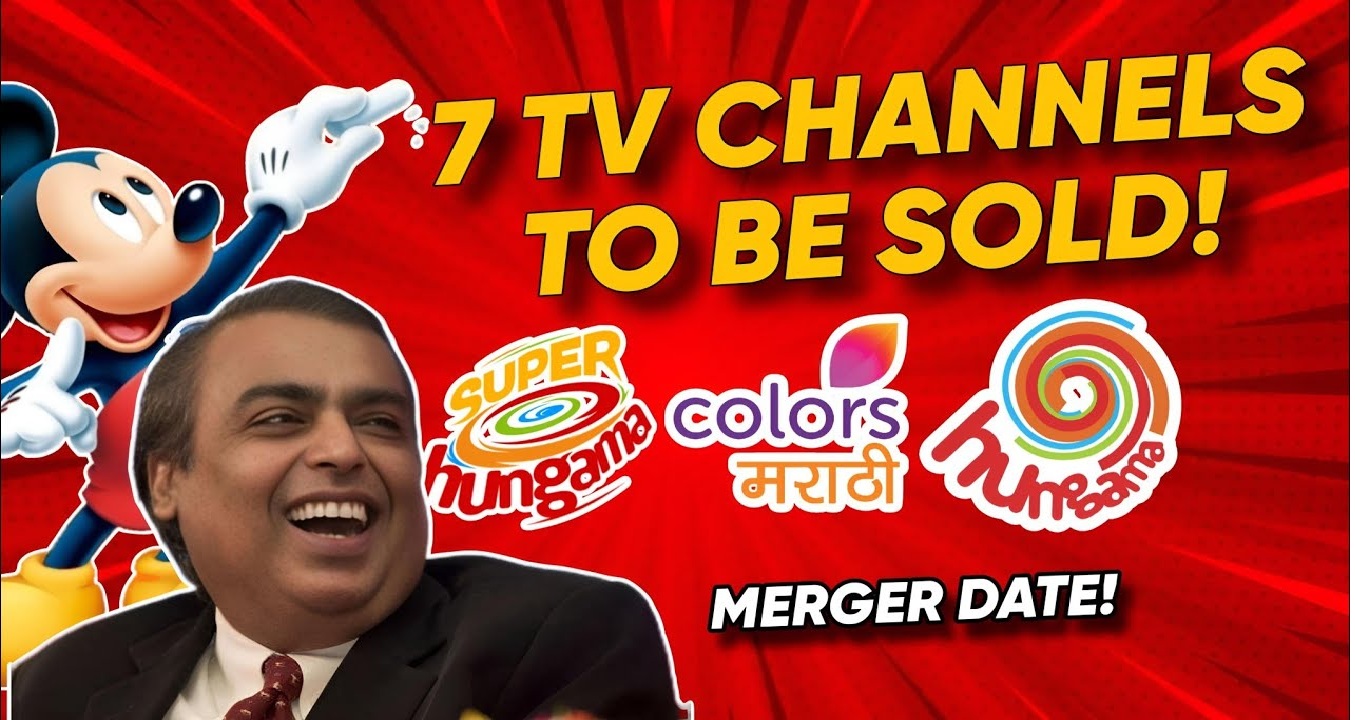
- Marathi Channel Segment: Colors Marathi and Colors Marathi HD, operated by Viacom18, would be sold.
- Kannada Segment: Colors Super, operated by Viacom18, would also be divested.
- Kids’ Channel Segment: Hungama and Super Hungama, operated by SIPL, would be part of the divestment plan.
This strategic divestment was aimed at reducing overlaps in market share within specific regional and genre-based segments, thereby promoting healthier competition. For instance, in the Kannada General Entertainment Channel (GEC) market, Zee, which holds a comparable market share, would continue to constrain the joint venture. Similarly, competitors like Warner Bros., Sony, and SunTV would continue to limit the market power of the merged entity in the Kids’ Channel segment.
Market Impact of the Merger
The voluntary modifications and divestments proposed by Reliance and Disney are expected to mitigate the risk of market monopolization. The CCI noted that these changes would ensure that the merged entity does not misuse its market power, particularly when it comes to negotiating with advertisers.
Moreover, the divestment of TV channels in various segments is anticipated to level the playing field for other players in the regional and kids’ entertainment sectors, ensuring that the market remains competitive.
Monitoring and Enforcement
To ensure that these commitments are upheld, the CCI directed the appointment of a Nodal Officer within 15 days of the order to monitor the progress of the transaction. This officer will report directly to the Commission until a Monitoring Agency is appointed. After that, the Nodal Officer will coordinate with the agency to ensure that the commitments made by Reliance and Disney are fully implemented, particularly regarding the sale of divested channels.
A Win for Fair Competition
The CCI’s handling of the Reliance-Disney merger sets a strong precedent for regulating large-scale mergers in the media and entertainment industry. By securing voluntary modifications and enforcing divestments, the Commission has ensured that the merger will not unduly distort the market, particularly in the lucrative sports broadcasting space.
For Reliance and Disney, the merger represents a significant consolidation of assets, with the merged entity gaining enhanced market presence. However, the conditions imposed by the CCI ensure that this increased power does not come at the expense of fair competition. Advertisers, broadcasters, and consumers alike stand to benefit from the commitments made by the two media giants, ensuring a balanced market that promotes innovation and consumer choice.
Conclusion
The Reliance-Disney merger is a landmark deal in India’s media landscape, and the CCI’s approach to mitigating anti-competitive risks demonstrates the importance of regulatory oversight in such massive consolidations. By implementing a combination of voluntary modifications and divestments, the CCI has safeguarded the interests of advertisers, consumers, and smaller competitors, ensuring that the Indian media and broadcasting industry remains dynamic and competitive.