Delhi High Court Denies Permission for Chhath Puja on Yamuna’s Polluted Banks
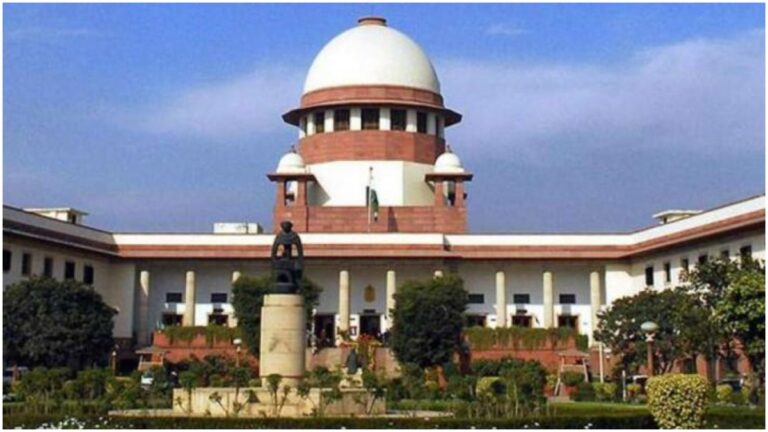
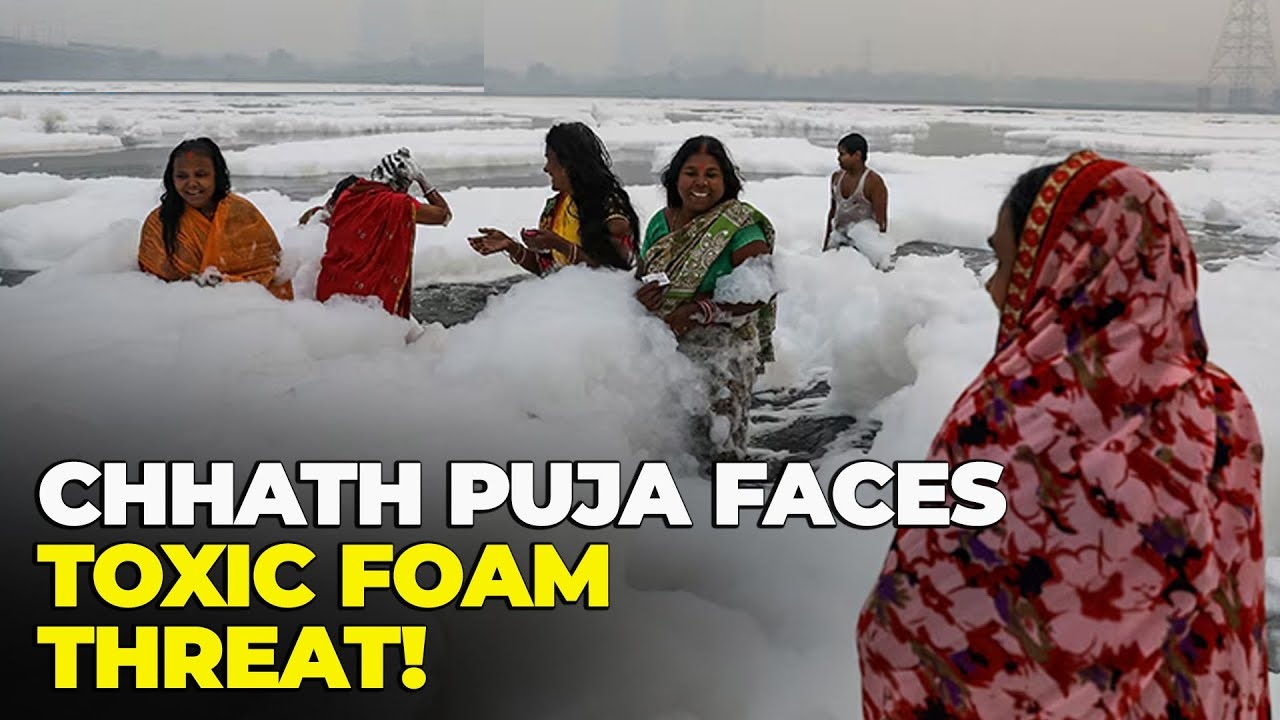
The Delhi High Court recently ruled against allowing Chhath Puja celebrations on the banks of the Yamuna River due to severe pollution concerns, including contaminated water and hazardous foam. The court dismissed a Public Interest Litigation (PIL) that sought permission for devotees to perform Chhath Puja rituals at the Geeta Colony Ghats along the river, emphasizing the risk posed by the Yamuna’s toxic state.
Delhi High Court’s Stand on Chhath Puja Near Yamuna
A division bench of Chief Justice Manmohan and Justice Tushar Rao Gedela, examining the pollution levels in the river, concluded that the Yamuna’s current state makes it unsafe for any ceremonial activities. The court’s decision highlights the broader issue of water quality in the river and the health hazards it poses to residents and devotees.
“Given the alarming pollution in the Yamuna, allowing devotees to use the river for Chhath Puja could pose serious health risks,” the court asserted in its ruling. This decision aligns with recent observations in the Shabnam Burney case, where the court addressed the unprecedented pollution levels in the Yamuna, stressing the need for immediate measures to address the contamination.
Alternative Arrangements for Chhath Puja in Delhi
In response to these pollution challenges, the Delhi government, represented by counsel Santosh Kumar Tripathi, confirmed that over 1,000 alternative sites across the city have been prepared to host Chhath Puja celebrations safely. These designated sites aim to provide devotees with safer options for conducting the festival, which is a vital cultural and religious event for many in the city.
The government assured the court that these alternative locations are equipped with the necessary arrangements to support a safe and respectful celebration. The move reflects a proactive approach by the administration to accommodate the Chhath Puja rituals while prioritizing public health.
Persistent Pollution in the Yamuna: The Core Issue
The high court’s decision brings attention to the long-standing issue of pollution in the Yamuna, which has been plagued by untreated sewage, industrial waste, and pollutants from unauthorized settlements along its banks. Addressing the PIL, Chief Justice Manmohan acknowledged the need for an extensive clean-up of the river, pointing out that the issue of untreated sewage continues to undermine efforts to improve water quality.
According to the bench, cleaning the Yamuna requires more than targeted efforts; it demands a city-wide strategy to address the multiple pollution sources impacting the river. With unauthorized settlements contributing significantly to the contamination, the high court emphasized that effective river restoration is a complex endeavor that requires dedicated resources and sustained efforts.
Petitioner’s Call for a Reassessment on Riverbed Bans
The counsel representing the petitioner argued against a complete ban on Chhath Puja near the river, suggesting that focused clean-up measures could make select areas viable for the ceremony. However, the court remained firm in its stance, underscoring that the Yamuna’s pollution levels necessitate significant, long-term interventions rather than short-term fixes.
The Chief Justice reiterated that partial clean-ups would not suffice, given the scale of pollution and the potential risks to public health. This response reflects a cautious approach by the judiciary, aiming to protect public safety while acknowledging the importance of cultural traditions.
The Future of Chhath Puja and Environmental Reforms in Delhi
The Delhi High Court’s ruling serves as a reminder of the critical environmental challenges facing the city. As authorities continue to work on solutions, the focus remains on providing safer alternatives for large gatherings and ceremonies that respect both cultural practices and environmental constraints.
For Delhi’s residents, the High Court’s decision also highlights the urgency of addressing water pollution in the Yamuna—a task that requires collaborative efforts from both government and society. By prioritizing sustainable development and pollution control, Delhi can work toward a future where its rivers and water bodies are restored, allowing cultural traditions to thrive in harmony with nature.