
ChatGPT Goes Down: What Happened?
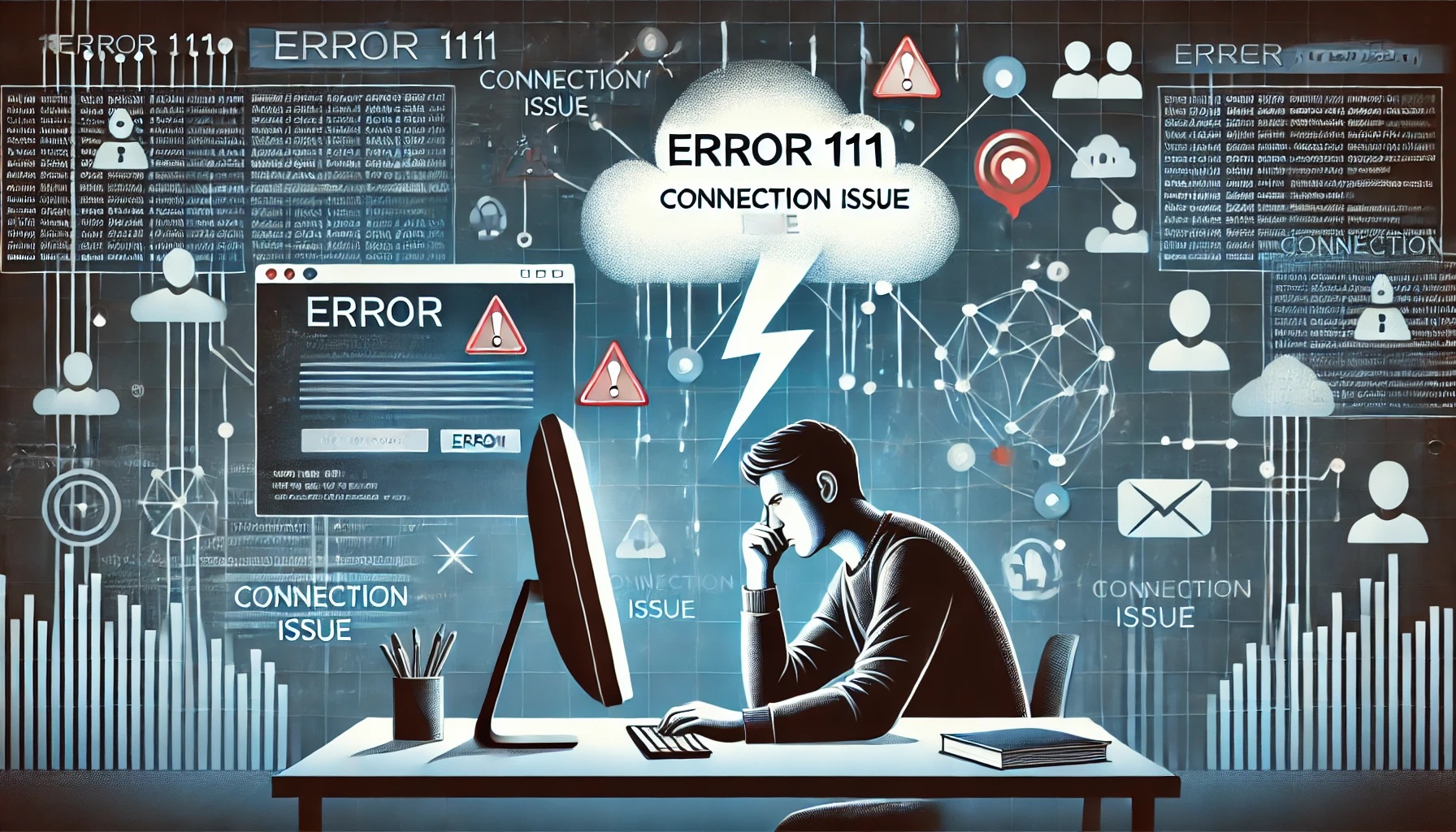
On Wednesday, users of ChatGPT, the highly popular AI chatbot developed by OpenAI, faced widespread frustration as the platform experienced a significant outage. The service interruption resulted in error messages such as “Error 111” and “Upstream connect error or disconnect,” leaving countless individuals unable to access the tool they depend on for a variety of tasks.
For many, the sudden unavailability of ChatGPT was a stark reminder of how integrated AI technologies have become in everyday life. As users scrambled to troubleshoot the issue, OpenAI stepped in to address the situation and provide updates.
OpenAI’s Response to the Outage
In response to the outage, OpenAI acknowledged the problem and reassured users that they were actively working to resolve it. The company released a statement indicating that users were experiencing API call errors and difficulties logging into their platforms, including OpenAI.com and ChatGPT.
“We have identified the issue and are working to roll out a fix,” OpenAI stated.
Despite the assurance, users were left in the dark regarding the exact cause of the disruption. The incident underscored the challenges of maintaining uninterrupted service in the rapidly growing field of AI-powered solutions.
The Impact of Error 111 and Connectivity Problems
The error messages, including “Error 111” and “Upstream connect error,” became trending topics across social media platforms. Frustrated users voiced their concerns, with many highlighting the inconveniences caused by the downtime. For some, the outage interrupted workflows, delayed important communications, and hampered productivity.
Such incidents are not just technical glitches; they represent broader implications for businesses and individuals who have come to rely on AI-powered tools for efficiency and problem-solving. The sudden downtime revealed vulnerabilities in the infrastructure that supports these technologies, serving as a wake-up call for developers and users alike.
Why Do Outages Like This Occur?
While OpenAI has yet to disclose the precise reason for this particular outage, service disruptions can stem from a variety of factors, including server overloads, network connectivity issues, or unexpected technical failures. As AI platforms grow in popularity, the demands placed on their servers and systems also increase, raising the likelihood of such incidents.
Lessons Learned: The Importance of Backup Plans
The outage highlights a critical issue: our increasing reliance on AI systems comes with risks. When these tools fail, the ripple effects can be significant. This incident serves as a reminder of the importance of having contingency plans in place.
For individuals, this might mean diversifying the tools they use to ensure they are not overly dependent on a single platform. For businesses, investing in redundancy measures and robust IT infrastructures can mitigate the impact of outages.
The Future of AI Reliability
As AI technology continues to evolve, the emphasis on reliability and uptime will grow. Developers like OpenAI will need to prioritize scalability, server stability, and rapid response mechanisms to address potential disruptions. Users, on the other hand, must approach AI tools with realistic expectations, understanding that no system is immune to failure.
Conclusion: Balancing Dependence and Preparedness
The recent ChatGPT outage serves as a cautionary tale for the digital age. While AI tools like ChatGPT are incredibly powerful and transformative, they are not infallible. By balancing our reliance on these technologies with thoughtful preparation, we can minimize the impact of future disruptions and continue to harness the potential of AI responsibly.