
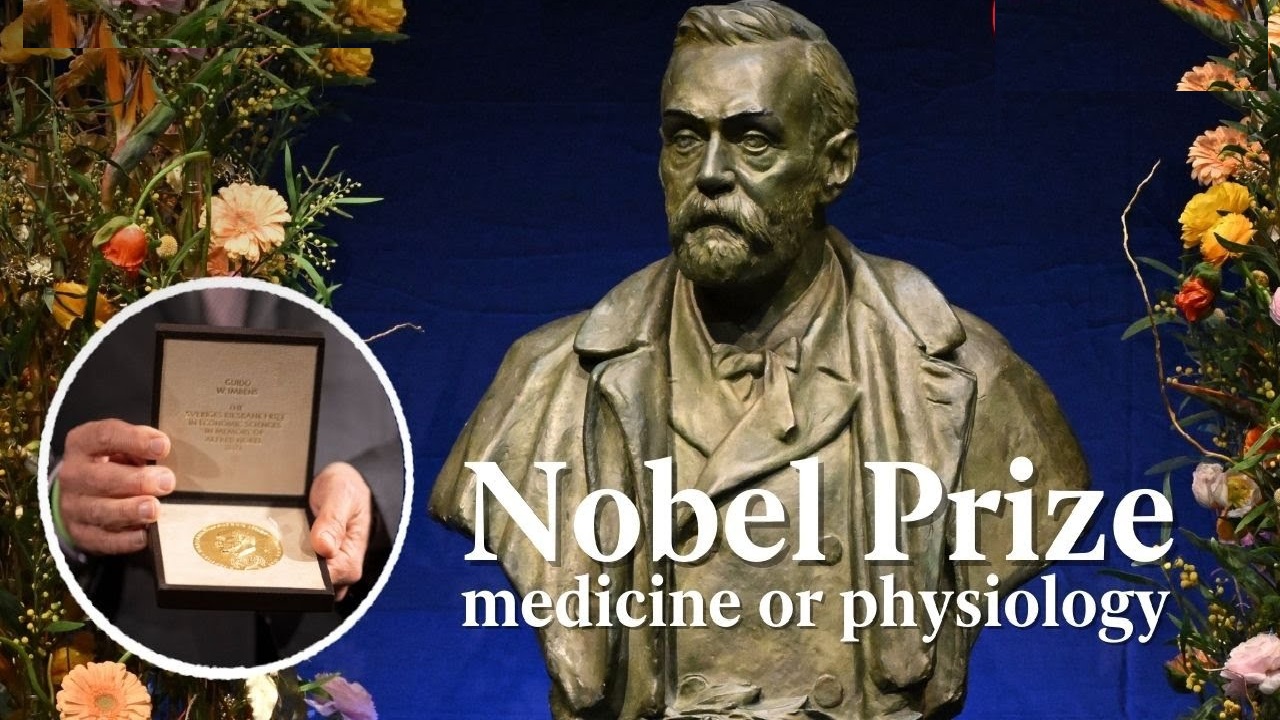
The 2024 Nobel Prize in Physiology or Medicine has been awarded to two prominent scientists, Victor Ambros and Gary Ruvkun, for their revolutionary work in the field of gene regulation. Their discovery of microRNA (miRNA) and its crucial role in post-transcriptional gene regulation has profoundly changed our understanding of biology. This groundbreaking achievement has led to major advances in medicine, including cancer research and treatments for genetic disorders.
The Discovery of microRNA: A Milestone in Gene Regulation
Victor Ambros and Gary Ruvkun have long been at the forefront of molecular biology, but their joint discovery of microRNA marked a significant turning point. microRNA, or miRNA, are small RNA molecules that do not code for proteins. Instead, they regulate the expression of genes after transcription, a process previously unknown. This discovery has opened new avenues in understanding how cells control gene expression, which is critical for development, disease prevention, and cellular functioning.
The Nobel Assembly at Karolinska Institutet in Stockholm, Sweden, announced that Ambros and Ruvkun would share the prestigious award and a cash prize of 11 million Swedish kronor (equivalent to about £810,000). This achievement underscores the immense importance of miRNA in molecular biology, a topic that has captured global scientific attention since their discovery.
microRNA’s Role in Medicine and Development
Ambros and Ruvkun’s research has shown that microRNA plays a vital role in regulating genes involved in cell division, differentiation, and apoptosis (programmed cell death). Their work has demonstrated that microRNAs can control genes associated with cancer, heart disease, and other genetic conditions, making their discovery a cornerstone for potential therapies.
One of the most significant contributions of microRNA is its ability to modulate gene expression without altering the underlying DNA. This has sparked interest in how miRNA-based treatments can be developed to target specific diseases. For example, in cancer research, miRNAs are being studied as biomarkers for early detection and as therapeutic targets for reducing tumor growth.
Recognition of Groundbreaking Work
This year marks the 115th Nobel Prize in Physiology or Medicine since its inception in 1901. Among the 229 laureates in the field, only 13 have been women, highlighting the need for greater diversity in science. The Nobel Assembly at Karolinska Institutet lauded the duo’s discovery as being “fundamentally important for how organisms develop and function,” reinforcing the far-reaching implications of their research.
As Nobel Committee Secretary General Thomas Perlmann stated during the announcement, “Ambros and Ruvkun’s discovery of microRNA provides profound insights into how gene regulation works at a molecular level. This knowledge continues to pave the way for future developments in medical science and biotechnology.”
How microRNA Discovery Has Advanced the Field of Molecular Medicine
The discovery of microRNA has not only impacted fundamental research but also inspired practical applications. One key area is its contribution to understanding complex diseases. For example, miRNAs have been identified as regulators in metabolic disorders, including diabetes, and as potential therapeutic agents in cardiovascular diseases. By targeting miRNAs, researchers hope to influence gene expression patterns that contribute to disease development.
Additionally, miRNAs are now considered valuable biomarkers. Their stability in body fluids such as blood makes them ideal candidates for non-invasive diagnostic tests. This opens new possibilities for early detection of diseases like cancer and neurological disorders. As a result, pharmaceutical companies are increasingly investing in miRNA-based therapies, signaling a new era in personalized medicine.
Last Year’s Nobel Prize in Medicine: The Role of mRNA in Vaccines
In 2023, the Nobel Prize in Medicine was awarded to Katalin Karikó and Drew Weissman for their pivotal contributions to the development of mRNA vaccines. Their work enabled the rapid creation of vaccines against COVID-19, which proved to be instrumental in combatting the pandemic. The comparison of last year’s breakthrough in mRNA technology to this year’s recognition of miRNA research highlights the continuing evolution of RNA science and its transformative impact on human health.
The Nobel Prize: Celebrating Scientific Excellence
Since Alfred Nobel, the Swedish inventor and industrialist, established the Nobel Prizes, the awards have symbolized the pinnacle of scientific achievement. With the 2024 Nobel Prize in Medicine, the Nobel Assembly continues its tradition of recognizing groundbreaking work that pushes the boundaries of knowledge.
Ambros and Ruvkun will officially receive their award on December 10, 2024, the anniversary of Alfred Nobel’s death. This momentous occasion will celebrate not only their individual accomplishments but also the promise of a future where genetic research continues to revolutionize medicine.
Looking Ahead: The Future of microRNA Research
The work of Victor Ambros and Gary Ruvkun is only the beginning of a deeper exploration into the role of RNA molecules in biological processes. Future research will likely explore how microRNAs can be manipulated to treat genetic disorders