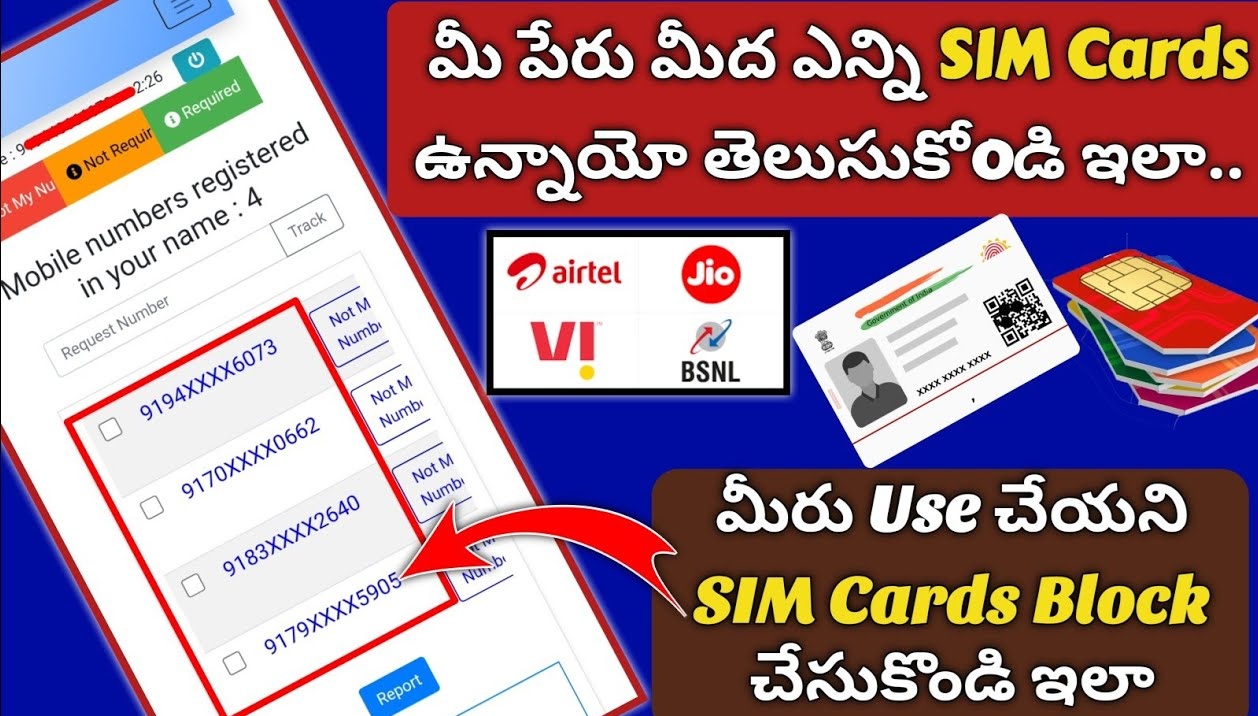
Cybercrime continues to evolve, with fraudsters developing new tactics to exploit systems and deceive unsuspecting victims. A recent study conducted by the Indian School of Business (ISB)-Institute of Data Science, Telangana Cyber Security Bureau (TGCSB), and the Centre of Excellence for Cyber Security of Telangana State has revealed a troubling new trend in cyber fraud: the use of outdated Aadhaar cards with children’s pictures to illegally obtain SIM cards. This article explores the study’s findings and recommendations to combat this growing threat.
Understanding the Threat: Aadhaar-SIM Card Cyber Fraud
Cybercriminals are now using Aadhaar cards, the unique identity cards issued to Indian citizens, to commit SIM card fraud. This new method involves using Aadhaar cards with outdated photographs, particularly those of children, to acquire SIM cards under false pretenses. Once obtained, these SIM cards can be used for a range of illicit activities, including phishing scams, identity theft, and other cybercrimes. The study highlights that SIM card fraud is a significant contributor to the overall cybercrime landscape, emphasizing the need for a robust identity verification system to curb such activities.
The Scope of the Problem: Key Findings from the Study
The study titled “Telecom SIM Subscription Frauds: Global Policy Trends, Risk Assessments, and Recommendations” provides a detailed analysis of the problem. Here are some key findings:
- Preference for Digital KYC: Approximately 64.5% of Indian consumers prefer digital KYC (Know Your Customer) processes for SIM card registration, with Aadhaar being the most commonly used identity document.
- Verification Gaps: Despite the reliance on Aadhaar, a staggering 89% of alternate numbers provided during the SIM card registration process are not linked to Aadhaar, highlighting significant verification gaps. These alternate numbers are often found to be associated with other criminals.
- Fraudulent Practices by Agents: The study uncovers illegal practices by Point-Of-Sale (POS) agents, who sometimes collude with criminals to facilitate fraudulent SIM card registrations.
- Flaws in OTP-Based Authentication: The study identifies weaknesses in OTP-based (One-Time Password) authentication methods, which are not foolproof and can be exploited by cybercriminals.
- Subscriber Data Analysis: Utilizing Customer Acquisition Forms (CAFs) from telecom providers, the study analyzed 1,600 phone numbers linked to reported criminals across Telangana. Real-time analysis using AI models revealed alarming trends in SIM registration fraud.
Recommendations to Combat SIM Card Fraud
To address the issues uncovered in the study, several recommendations have been proposed:
- Enhanced Identity Verification: Implementing a more robust, multi-layered identity verification system is crucial. This could include biometric verification, facial recognition technology, and other advanced methods to ensure the authenticity of identity documents.
- Improved Electronic Identification Processes: Strengthening electronic identification processes can help reduce fraudulent activities. This involves updating the current KYC systems to incorporate more secure and reliable methods of verification.
- Increased Consumer Education: Educating consumers about the risks associated with sharing personal information and how to identify fraudulent activities is essential. Public awareness campaigns can play a significant role in reducing the incidence of cyber fraud.
- Strengthening Regulation and Compliance: The study suggests enhancing regulatory frameworks to ensure compliance with best practices in SIM card registration and verification. This includes stricter penalties for non-compliance and regular audits of telecom service providers.
- International Benchmarking: By analyzing SIM registration policies in 160 countries, the study offers valuable insights into global best practices. Adopting these practices can help strengthen local protocols and reduce vulnerabilities.
The Role of Stakeholders
The study emphasizes the importance of collaboration among various stakeholders to effectively combat SIM card fraud. The TGCSB Director, Shikha Goel, has highlighted the need for individuals to remain vigilant, protect personal information, and report lost or stolen SIM cards promptly. She also urges telecom companies to work closely with law enforcement agencies to implement the study’s recommendations and enhance the overall security of SIM card registration processes.
Conclusion: Moving Forward
The findings of this study underscore the urgent need to address the growing threat of SIM card fraud in India. By implementing the recommended measures and fostering collaboration among stakeholders, it is possible to significantly reduce the risks associated with this type of cybercrime. As cybercriminals continue to develop new tactics, staying ahead of the curve will require constant vigilance, innovation, and a commitment to protecting consumers’ personal information. The TGCSB plans to share the study’s recommendations with national-level stakeholders, recognizing the importance and urgency of addressing this critical issue.