The political landscape of Andhra Pradesh is witnessing a seismic shift as the Jana Sena Party (JSP), led by actor-politician Pawan Kalyan, gains unprecedented momentum. Backed by the influential Kapu community, the party’s alliance with the Telugu Desam Party (TDP) and Bharatiya Janata Party (BJP) has created a ripple effect, challenging the ruling Yuvajana Sramika Rythu Congress Party (YSRCP). This article explores the socio-political dynamics, caste equations, and strategic maneuvers driving this transformation.
The Kapu Factor: A Historical Perspective
The Kapu community, a dominant agrarian caste in Andhra Pradesh, has long sought political representation. Historically marginalized in state politics despite their numerical strength, Kapus found a voice through the Praja Rajyam Party (PRP) in 2008, founded by actor Chiranjeevi. Though PRP’s initial success fizzled, the Kapu aspiration for recognition remained unfulfilled.
Pawan Kalyan’s Jana Sena, launched in 2014, reignited this demand. By 2024, the JSP-TDP-BJP alliance leveraged Kapu grievances—such as unfulfilled reservation promises and economic neglect—to consolidate votes. Analysts argue that Kapu mobilization isn’t just about caste identity but a quest for social equity and economic mobility, making them a critical voter base.
Pawan Kalyan: The Architect of a New Political Coalition
Pawan Kalyan’s strategic genius lies in bridging historical divides. By aligning with the TDP (traditionally supported by the Kamma community) and the BJP, he crafted a cross-caste coalition that counters YSRCP’s Reddy-dominated leadership. Kalyan’s grassroots campaigns, emphasis on governance, and anti-incumbency rhetoric against Chief Minister Jagan Mohan Reddy resonated deeply.
Key factors behind Jana Sena’s rise:
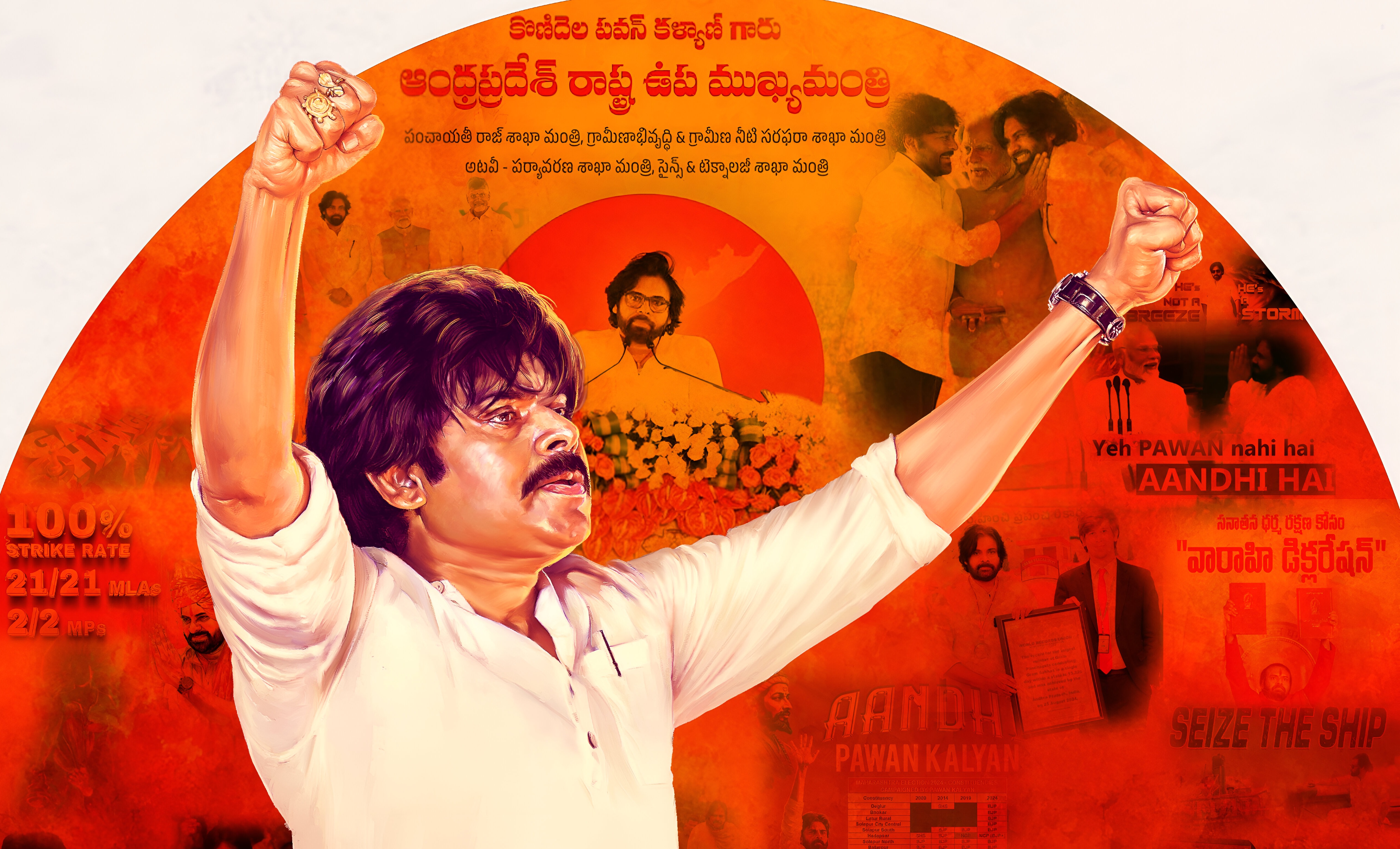
- 100% Strike Rate in 2024 Elections: Jana Sena won all contested seats, showcasing tactical precision.
- Anti-Incumbency Wave: Dissatisfaction with YSRCP’s governance, including allegations of corruption and unkept promises.
- Social Media Dominance: Kalyan’s direct communication with youth and rural voters bypassed traditional media barriers.
Caste Dynamics: Beyond Kapu vs. Reddy
While the Kapu-Reddy rivalry dominates headlines, Andhra’s politics is layered with sub-caste loyalties. For instance:
- Balija and Telaga sub-groups within Kapus have distinct regional influences.
- The Kamma community remains loyal to TDP but cautiously supports the alliance.
- Dalit and Backward Class voters are split between YSRCP’s welfare schemes and opposition promises.
Political analyst Murali Krishna notes, “Andhra’s caste map isn’t monolithic. Alliances succeed by addressing micro-identities while projecting a macro vision.”
The BJP’s Role: National Ambitions Meet Regional Realities
The BJP’s partnership with Jana Sena marks its bid to penetrate Andhra’s polity after repeated failures. However, critics warn that BJP’s national policies often clash with regional priorities. For example:
- Farmers’ protests against the now-repealed farm laws damaged BJP’s image in agrarian communities.
- Language politics: Hindi imposition fears alienate Telugu-speaking voters.
Despite these challenges, PM Narendra Modi’s rallies and welfare slogans (“Sabka Saath, Sabka Vikas”) aim to soften regional resistance.
YSRCP’s Counterstrategy: Welfare Populism vs. Alliance Momentum
Jagan Mohan Reddy’s YSRCP relies on welfare populism—direct cash transfers, education reforms, and healthcare initiatives—to retain support. Schemes like Amma Vodi (financial aid to mothers) and Rythu Bharosa (farmers’ support) have solidified his rural base.
Yet, allegations of authoritarianism and targeting opposition leaders (like Chandrababu Naidu’s arrest) have backfired. A Kapu farmer in East Godavari lamented, “Jagan promised reservations but delivered jail for our leaders.”
2024 Elections: A Game-Changer for Andhra Pradesh
The JSP-TDP-BJP alliance’s landslide victory reflects a mandate for change. Key takeaways:
- Regionalism Over Nationalism: Voters prioritized local issues like unemployment and infrastructure.
- Youth Mobilization: Jana Sena’s tech-savvy campaigns attracted first-time voters.
- Women’s Vote Bank: Kalyan’s focus on safety and education swayed female voters.
Political scientist Dr. Suresh Babu observes, “This isn’t just a political shift but a social reengineering—a demand for inclusive governance.”
Future Implications: Can Jana Sena Sustain the Momentum?
Post-victory challenges loom large:
- Coalition Stability: Balancing TDP’s Kamma interests with BJP’s national agenda.
- Policy Execution: Delivering on promises like Kapu reservations and industrial growth.
- Opposition Unity: YSRCP’s potential rebranding to regain lost ground.
Pawan Kalyan’s next move—whether to remain kingmaker or vie for CM—will shape Andhra’s trajectory. As veteran journalist Rajeshwar Rao notes, “Kalyan must transition from star campaigner to administrator to avoid PRP’s fate.”
Conclusion: Redefining Andhra’s Political Identity
The rise of Jana Sena underscores a broader trend: caste-driven politics giving way to aspirational governance. By uniting Kapus, leveraging anti-incumbency, and embracing coalition pragmatism, Pawan Kalyan has rewritten Andhra’s electoral playbook. Whether this marks a lasting transformation or a fleeting realignment depends on his ability to bridge promises with performance.
For now, one message is clear: In Andhra Pradesh, 2024 is not just an election year—it’s the dawn of a new political era.