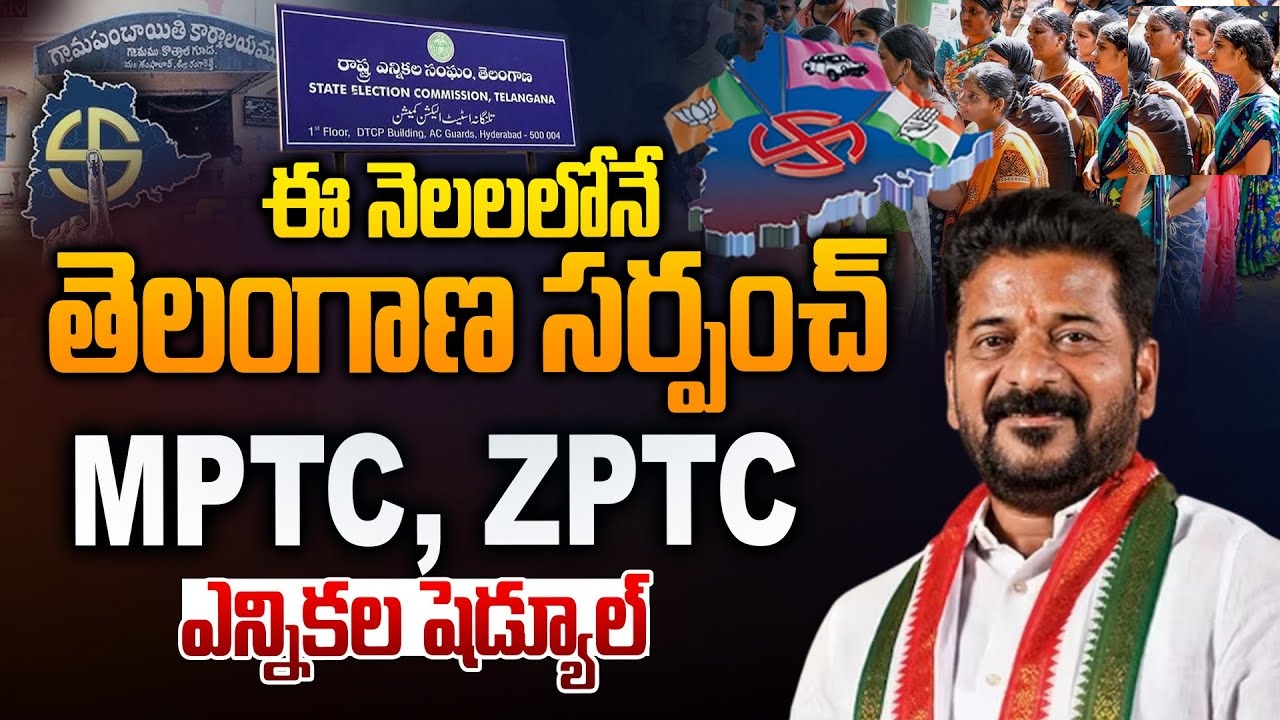
Grassroots democracy truly comes alive during local body elections, and the upcoming MPTC and ZPTC elections in Telangana 2025 promise to be one of the most dynamic chapters in the state’s political history. For anyone passionate about rural development or simply keen to understand how local governance shapes larger state and national narratives, these elections matter. The journey from a polling booth in a remote village to a seat in the State Assembly begins with the choices made in Mandal and Zilla Parishads. What follows is a practical, expert view of the MPTC and ZPTC elections, armed with insights, real examples, and a roadmap for engaged citizenship.
Understanding MPTC and ZPTC Elections in Telangana
Mandal Parishad Territorial Constituency (MPTC) and Zilla Parishad Territorial Constituency (ZPTC) elections are core to the Telangana local body polls, determining leadership for every rural pocket of the state. MPTC members operate at the mandal level, acting as bridges between villages and district authorities, while ZPTC members work within Zilla Parishads, which exercise oversight on rural policies and development projects throughout districts.
Historically, these bodies have fueled rural transformation by overseeing infrastructure, education, water management, and welfare schemes. Their roots run deep, tracing back to the formation of Telangana when rural self-governance became a pillar of the new state. I’ve personally witnessed the impact of a dedicated MPTC member who coordinated the repair of village roads after the monsoon—a small intervention with life-changing effects for school children and farmers alike.
Telangana MPTC and ZPTC Elections 2025: Notification and Schedule
For 2025, the Telangana State Election Commission is poised to announce the schedule—likely in phases to accommodate the challenges of monsoon and logistics in tribal areas. The government has confirmed 5,773 MPTC seats and 566 ZPTC seats, with Nalgonda district topping the charts in MPTC constituencies.
The Telangana State Election Commission has issued a notification for arranging and displaying Territorial Constituency–wise Electoral Rolls of MPTCs and ZPTCs. As per the election schedule, draft Electoral Rolls will be published on 06.09.2025.
The preparation and publication of the polling station list will be carried out by MPDOs and ADEAs with the approval of the District Collector. The schedule of activities is as follows:
Schedule of Activities for Polling Station Preparation
| Sl. No. | Activity | Date |
|---|---|---|
| 1 | Draft publication of the list of Polling Stations for MPTCs and ZPTCs at Mandal level by MPDOs | 06.09.2025 |
| 2(a) | Meeting with Political Party representatives at District level by District Election Authorities | 08.09.2025 |
| 2(b) | Meeting with Political Party representatives at Mandal level by MPDOs & ADEAs | 08.09.2025 |
| 3 | Receipt of claims and objections | 06.09.2025 to 08.09.2025 |
| 4 | Disposal of claims, objections, and suggestions | 09.09.2025 |
| 5 | Final publication of the list of Polling Stations by District Election Authorities | 10.09.2025 |
All Collectors and District Election Authorities are requested to ensure that the above process is completed by 10.09.2025.
Election notification is expected by late Sepetember 2025, followed by nominations, scrutiny, and polling within a tight window—sometimes just 15 days from notification to voting. The reservation system plays a vital role: up to 42% quotas for Backward Classes (pending legislative approval), as well as reserved seats for women, SC/ST candidates. This ensures more inclusive rural governance, and local communities are abuzz discussing who will contest from reserved seats—a conversation echoed in tea stalls, markets, and WhatsApp groups alike.
Political Parties and Candidates in the Race
2025 sees Bharat Rashtra Samithi (BRS), Indian National Congress (INC), Bharatiya Janata Party (BJP), AIMIM, and a slew of independents fielding candidates, each vying to claim rural strongholds and edge out rivals. This time, Congress leans on its anniversary momentum, BRS attempts a comeback, while BJP tries to expand its footprint.
Candidate selection is both art and science. Urban constituencies tend to favor technocrats and social media-savvy faces, while rural areas value deep community connections—think helped-orphans, respected teachers, or local farmers. For example, Khammam and Nalgonda districts show how grassroots leaders, not just celebrities, tilt the balance—something I saw firsthand when an independent won the MPTC seat by leveraging support from local SHG (Self Help Group) women.
Key Issues Driving the 2025 Elections
Behind every ballot lies a story: Telangana’s rural voters prioritize farmers’ welfare, irrigation projects, and job creation. Employment remains top-of-mind for youth, while infrastructure and digital governance garner interest from younger families.
There’s palpable energy around village digitalization—a movement for online services, better connectivity, and real-time grievance redressal. Women’s empowerment and SHG groups remain key, as parties push for more funds and leadership roles for women, supported by real policy interventions and promises for expanded vocational and micro-enterprise opportunities.
Voter Participation & Awareness
The local elections aren’t just a party battle—they’re a test of citizen engagement. Increased turnout, especially among women and first-time voters, is a visible trend. Initiatives by the Election Commission of Telangana have simplified voter lists and supported awareness drives. A recent campaign in Karimnagar empowered youth with “My First Vote” badges, fueling excitement and the beginning of lifelong electoral participation.
Such grassroots enthusiasm is infectious. Neighbors explain voting procedures to elders, and community-led rallies in places like Bhadradri Kothagudem encourage women to assert their preferences, often spotlighting issues like village water supply or school upgrades.
Technology, Transparency, and Social Media Impact
Technology has changed the election game. The use of EVMs (Electronic Voting Machines) and improved counting processes ensures speed and transparency. Live updates are streamed online and to rural kiosks, meaning anyone can track outcomes as votes are counted.
Political parties have ramped up social media campaigns, and while this brings positives—wider reach, greater accountability—it also introduces risks. Misinformation and fake news circulate fast, sometimes outpacing fact-checking efforts. Election monitoring measures, including social media watchdog cells, are now standard, and community WhatsApp groups often correct rumors and share verified updates from local officials.
How MPTC/ZPTC Results Impact Telangana State Politics
Local body results rarely stay local. In Telangana, victories in MPTC and ZPTC elections set the tone for Assembly and Parliamentary politics. Past instances (like the 2019 elections) saw the winning party at the local level building momentum for state-wide campaigns. These outcomes often influence policy priorities for the state government—from agriculture subsidies to infrastructure investments.
Case studies reveal that districts with strong ZPTC representation can lobby effectively for major irrigation projects, while coordinated efforts from MPTC members shape rural health and educational planning. After all, every MLA and MP began their journey as local representatives, making these elections a crucible for leadership and accountability.
District-wise Highlights to Watch in 2025
Key battlegrounds like Khammam, Nalgonda, and Karimnagar will be in focus as they account for the highest number of MPTC seats and present diverse social, economic, and political scenarios. BRS has traditionally been strong in Nalgonda, INC is making new inroads in Khammam, and independents often surprise in pockets of Karimnagar.
Independent candidates wield considerable influence—sometimes shifting the balance when major parties underestimate local issues or fail to field popular leaders. Urban districts see fewer seats (for instance, Hyderabad and Medchal-Malkajgiri don’t have rural MPTC/ZPTC elections) while tribal and remote regions grapple with unique logistical and political challenges.
Conclusion – Your Vote Is the Change
The MPTC and ZPTC elections aren’t just about filling positions—they’re about shaping the destiny of Telangana’s villages and districts for years to come. Every elector has the power to ensure honest, effective governance, especially in times marked by change and opportunity. It’s all about participation: cast that vote, join a local campaign or awareness drive, and help strengthen grassroots democracy.
FAQs
What is the difference between MPTC and ZPTC elections in Telangana?
MPTC elections select representatives for Mandal Parishads (block-level), addressing issues between villages and the district administration, while ZPTC elections choose Zilla Parishad members who influence district-wide rural development policies.
When will the Telangana MPTC/ZPTC election results 2025 be declared?
Notification is expected by late June, with polling likely in July and results announced within days of counting, as scheduled by the Telangana State Election Commission.
How do local body elections affect state-level politics in Telangana?
Local body elections set political trends, build momentum for Assembly and Parliamentary campaigns, and help identify ground-level leaders who often shape priority policies for the state government.