Tata Motors has solidified its position as a trailblazer in India’s automotive industry with a series of transformative decisions in 2025. From introducing a lifetime battery warranty for its electric vehicles (EVs) to achieving record-breaking sales with models like the Tata Nexon, the company is redefining innovation and customer trust. Additionally, a strategic 1:1 stock split and potential benefits from the government’s Production-Linked Incentive (PLI) scheme signal a robust future for the automaker. This article delves into these game-changing developments, exploring how Tata Motors is driving growth, sustainability, and investor confidence in a competitive market.
Tata Motors’ Record-Breaking Sales in June 2025
Tata Nexon: India’s Top-Selling Car
Tata Motors has cemented its dominance in the Indian automotive market, with the Tata Nexon emerging as the top-selling car in June 2025. Despite a slight 4% dip in sales compared to June 2024 (1,162 units sold versus 1,266 units), the Nexon’s performance underscores its enduring popularity. This compact SUV continues to resonate with consumers, thanks to its sleek design, advanced features, and competitive pricing.
The Nexon’s success highlights Tata Motors’ ability to capture the evolving preferences of Indian buyers, particularly in the compact SUV segment. Its robust sales figures reflect the brand’s strong market positioning and ability to deliver vehicles that balance style, performance, and affordability.
Tiago and Altroz: A Resurgence in Compact Cars
Tata Motors’ compact car lineup also showed promising growth in June 2025. The Tata Tiago, a compact hatchback, recorded a 17% sales increase, with 6,632 units sold compared to 5,174 units in June 2024. This resurgence signals a renewed interest in smaller, fuel-efficient vehicles as urban consumers prioritize affordability and practicality.
Similarly, the Tata Altroz, a premium hatchback, saw a marginal 1% sales uptick, with 3,974 units sold in June 2025 compared to 3,937 units the previous year. The Altroz’s consistent performance underscores its strong market presence and appeal to buyers seeking premium features in a compact package.
Tata Punch: Holding Strong in the Micro SUV Segment
The Tata Punch, a micro SUV, secured the second spot in Tata Motors’ sales rankings for June 2025, with 10,046 units sold. However, this figure represents a significant 43% decline from the 18,238 units sold in June 2024. While this drop reflects challenges in the micro SUV segment, the Punch’s performance remains commendable, given the competitive landscape and shifting consumer preferences.
Other Models: Safari, Harrier, and Curvv
Tata Motors’ broader portfolio also contributed to its sales figures. The Tata Safari sold 922 units, the Harrier moved 1,259 units, and the Tigor recorded 788 units in June 2025. The newly launched Tata Curvv, an SUV, sold 2,006 units, marking a 33% decline from May 2025’s 3,000 units. Despite this, the Curvv’s performance is a promising start for a new model, signaling its potential to gain traction in the SUV market.
Overall, Tata Motors sold 37,833 units in June 2025, a 15% decrease from the 43,527 units sold in June 2024. While the company faced challenges due to market fluctuations, its diverse portfolio and strategic innovations position it for a strong recovery.
Lifetime Battery Warranty: A Game-Changer for Tata Motors’ EVs
Revolutionizing EV Ownership
Tata Motors has taken a bold step to address one of the biggest concerns for electric vehicle buyers: battery longevity. The company announced a lifetime battery warranty for its popular electric SUVs, the Tata Nexon EV and Tata Curvv EV. This groundbreaking initiative applies to both new buyers and existing owners, ensuring peace of mind and eliminating the financial burden of battery replacements.
The lifetime warranty covers the high-voltage batteries in the Nexon EV and Curvv EV, including the 45 kWh battery variants. By removing the worry of costly battery replacements, Tata Motors is making EV ownership more accessible and appealing to a broader audience. This move not only enhances customer confidence but also sets a new industry standard for EV warranties.
Boosting Resale Value and Customer Loyalty
The lifetime battery warranty is a strategic move to enhance the resale value of Tata Motors’ electric vehicles. With battery health concerns alleviated, owners can expect better resale prices, making Tata’s EVs a more attractive investment. Additionally, the company is offering a loyalty bonus of up to ₹50,000 for existing Nexon EV and Curvv EV owners, further incentivizing brand loyalty.
Vivek Srivats, Chief Commercial Officer of Tata Motors Passenger Vehicles Electric Mobility Limited, emphasized the company’s commitment to accessible EV technology. “Our goal is to foster worry-free ownership and build trust among customers,” Srivats stated. “By offering a lifetime battery warranty, we’re addressing the primary concern of EV buyers and driving the adoption of electric vehicles in India.”
Impact on India’s EV Market
Tata Motors’ lifetime battery warranty positions the company as a leader in India’s rapidly growing EV market. By addressing battery-related concerns, the automaker is removing barriers to EV adoption, encouraging more consumers to make the switch from traditional internal combustion engine vehicles. This initiative aligns with India’s push for sustainable mobility and strengthens Tata Motors’ reputation as a pioneer in the EV space.
Government’s PLI Scheme: A Financial Boost for Tata Motors
Unlocking Incentives for Growth
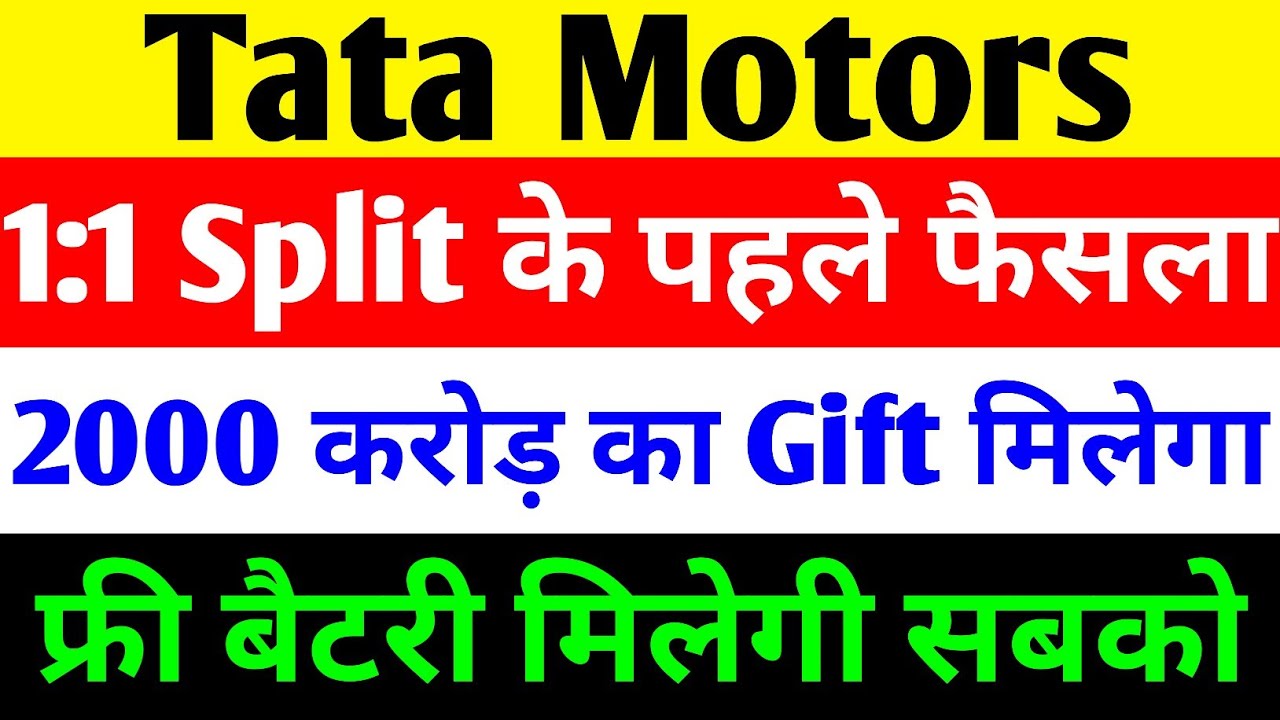
Tata Motors is poised to benefit significantly from the Indian government’s Production-Linked Incentive (PLI) scheme, designed to boost domestic manufacturing and innovation in the automotive sector. Alongside other industry leaders like Mahindra & Mahindra, Bajaj Auto, Ola Electric Technologies, and TVS Motor, Tata Motors is eligible for incentives worth up to ₹2,000 crore.
The PLI scheme rewards companies for increasing production and adopting advanced technologies. Tata Motors has claimed ₹49 crore under the scheme, while competitors like Bajaj Auto (₹630 crore), Ola Electric (₹380 crore), TVS Motor (₹330 crore), and Mahindra & Mahindra (₹283 crore) have also submitted claims. The Ministry of Heavy Industries, led by Minister H.D. Kumaraswamy, is reviewing these claims, with a decision expected soon.
Driving Innovation and Competitiveness
The PLI scheme is a game-changer for India’s automotive industry, providing financial support to companies investing in advanced technologies and sustainable practices. For Tata Motors, the potential ₹49 crore incentive will fuel further innovation, particularly in the EV segment. The funds can be used to enhance manufacturing capabilities, develop new models, and expand the company’s electric vehicle portfolio.
This financial boost comes at a critical time, as global market fluctuations have impacted the automotive sector. By leveraging PLI incentives, Tata Motors can strengthen its competitive edge and continue its upward trajectory in the Indian and global markets.
Tata Motors’ 1:1 Stock Split: Unlocking Shareholder Value
A Strategic Move for Investors
Tata Motors announced a 1:1 stock split during its Annual General Meeting (AGM), a decision that has sparked excitement among investors. This move will divide each existing share into two, effectively doubling the number of shares held by investors while halving the share price. For example, if an investor holds one share, they will receive an additional share, making them a stakeholder in both Tata Motors’ commercial vehicle and passenger vehicle businesses.
The stock split aims to make Tata Motors’ shares more accessible to retail investors, increasing liquidity and broadening the company’s investor base. N. Chandrasekaran, Chairman of Tata Motors, highlighted the benefits of the split, stating, “This demerger will create value for shareholders and allow both the commercial and passenger vehicle businesses to operate independently, driving focused growth.”
Impact on Market Performance
On the last trading day before the announcement, Tata Motors’ stock closed at ₹679, reflecting a 2.39% decline due to broader market volatility. Despite this, the stock split is expected to enhance investor confidence and attract new buyers. By reducing the share price, Tata Motors is making its stock more affordable, potentially driving demand and boosting market performance.
Investors are advised to consult with financial advisors and conduct thorough research before making investment decisions. The stock split, combined with Tata Motors’ strong sales performance and innovative strategies, positions the company for long-term growth.
Challenges and Opportunities in a Competitive Market
Navigating Market Volatility
Tata Motors faced challenges in June 2025, with a 15% overall sales decline compared to the previous year. The micro SUV segment, in particular, experienced a significant 43% drop, highlighting the impact of market fluctuations and changing consumer preferences. Global economic pressures and supply chain disruptions also contributed to the decline, affecting the broader automotive industry.
Despite these challenges, Tata Motors’ diverse portfolio and strategic initiatives provide a strong foundation for recovery. The company’s focus on electric vehicles, innovative warranties, and government incentives positions it to navigate market volatility and emerge stronger.
Seizing Opportunities in the EV Market
The Indian automotive industry is undergoing a transformation, with electric vehicles at the forefront. Tata Motors is capitalizing on this trend by expanding its EV portfolio and introducing customer-centric policies like the lifetime battery warranty. The company’s leadership in the EV segment, coupled with government support through the PLI scheme, creates significant growth opportunities.
As consumer demand for sustainable mobility rises, Tata Motors is well-positioned to capture a larger share of the EV market. Its focus on affordability, reliability, and innovation ensures it remains a top choice for environmentally conscious buyers.
Why Tata Motors Stands Out in 2025
A Legacy of Innovation
Tata Motors has a long-standing reputation for innovation and quality in the Indian automotive industry. From the iconic Tata Nexon to the versatile Tata Tiago and Altroz, the company consistently delivers vehicles that meet the needs of diverse consumers. Its leadership in the EV segment further solidifies its position as a forward-thinking automaker.
Customer-Centric Approach
The lifetime battery warranty and loyalty bonuses demonstrate Tata Motors’ commitment to customer satisfaction. By addressing key pain points like battery costs and resale value, the company is building trust and loyalty among its customer base. This customer-centric approach sets Tata Motors apart from competitors and drives long-term growth.
Strategic Financial Moves
The 1:1 stock split and potential PLI incentives reflect Tata Motors’ strategic approach to creating value for shareholders and stakeholders. By making its shares more accessible and securing government support, the company is strengthening its financial position and paving the way for sustained growth.
The Road Ahead for Tata Motors
Tata Motors is at a pivotal moment in its journey, with transformative initiatives that position it for success in 2025 and beyond. The lifetime battery warranty for its EVs addresses a critical barrier to adoption, while record-breaking sales of models like the Tata Nexon highlight its market dominance. The 1:1 stock split and PLI scheme incentives further enhance its appeal to investors and stakeholders.
As the Indian automotive industry evolves, Tata Motors is leading the charge with innovation, sustainability, and customer-centric policies. Whether you’re a consumer looking for a reliable vehicle or an investor seeking growth opportunities, Tata Motors offers a compelling proposition. With its strategic vision and robust portfolio, the company is poised to drive India’s automotive future.
Disclaimer: The information provided in this article is for educational purposes only. Investors should consult with financial advisors and conduct their own research before making investment decisions.