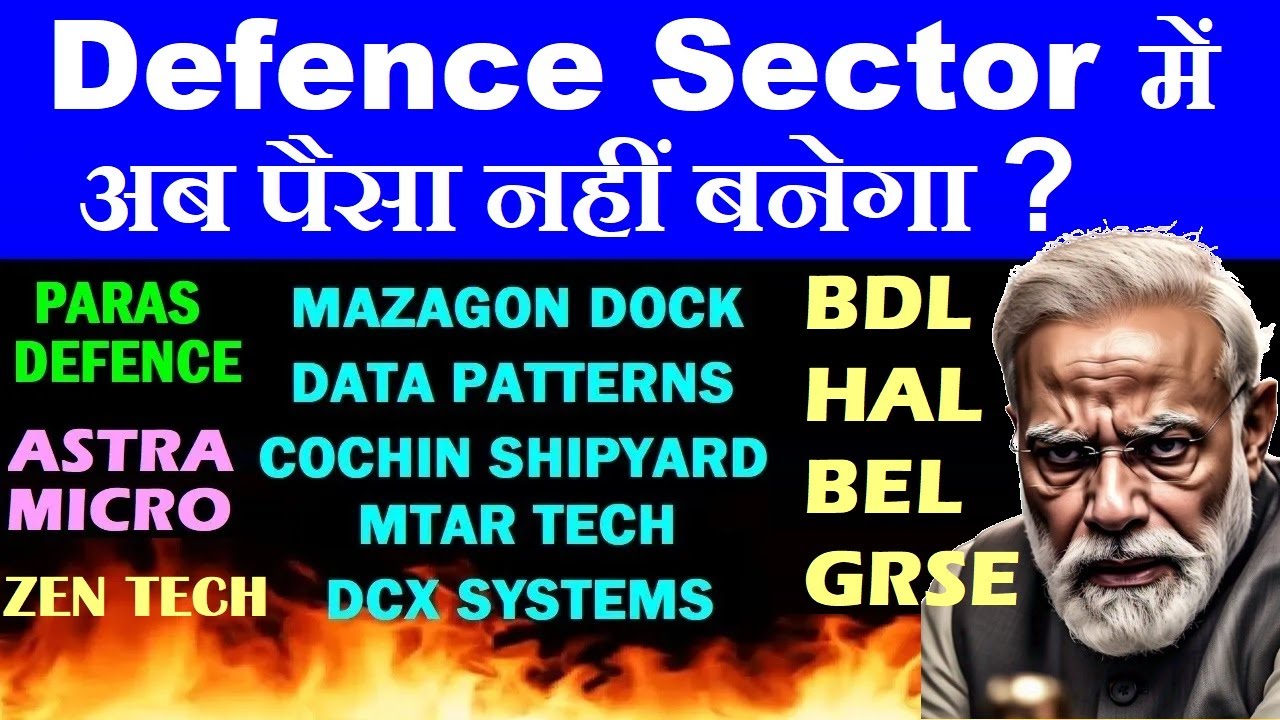
India’s defence sector has captured the imagination of investors, policymakers, and industry leaders alike. With companies like Zen Technologies, Hindustan Aeronautics Limited (HAL), Bharat Dynamics Limited (BDL), Bharat Electronics Limited (BEL), Mazagon Dock, Garden Reach Shipbuilders & Engineers (GRSE), and Cochin Shipyard leading the charge, the sector has delivered remarkable returns for early investors. But a pressing question looms: Has the defence sector’s growth peaked, or is it still a goldmine of opportunities? This comprehensive analysis dives deep into the dynamics of India’s defence industry, debunking myths, addressing doubts, and highlighting the immense potential that lies ahead.
Why the Defence Sector Matters in India
India’s defence sector is a cornerstone of its economic and strategic ambitions. As one of the world’s fastest-growing economies, India is prioritizing self-reliance in defence manufacturing under the ambitious Atmanirbhar Bharat (Self-Reliant India) initiative. The government’s push to reduce reliance on imports and bolster indigenous production has created a fertile ground for domestic companies to thrive. But why is this sector so critical?
Strategic Importance of Defence Investments
India’s geopolitical landscape is complex, with ongoing border tensions with neighboring countries like Pakistan and China, coupled with maritime security challenges in the Indian Ocean. Strengthening defence capabilities is not just a strategic necessity but also an economic opportunity. Investments in defence manufacturing drive job creation, technological innovation, and economic growth, positioning India as a global player in the defence industry.
Economic Impact of Defence Spending
The defence sector contributes significantly to India’s GDP through direct and indirect economic activities. From manufacturing advanced weaponry to building naval vessels, the sector stimulates industries like steel, electronics, and logistics. Moreover, the government’s focus on defence exports opens new revenue streams, enhancing India’s global trade footprint.
Is the Defence Sector’s Growth Story Over?
A common concern among investors is whether the defence sector has exhausted its growth potential. After years of stellar performance, some wonder if the sector is nearing a saturation point. Let’s address this head-on: The growth story is far from over. Here’s why.
India’s Defence Budget: A Reality Check
In the financial year 2025-26, India’s defence budget stands at approximately ₹6.81 lakh crore (around $86 billion). While this figure is substantial, it pales in comparison to global leaders like the United States ($1 trillion) and China ($300 billion). India’s defence spending is not even close to $100 billion, underscoring the vast scope for expansion. With ongoing geopolitical tensions and the need to modernize its armed forces, India is poised to increase its defence allocations significantly in the coming years.
The Long Road to Self-Reliance
The Atmanirbhar Bharat initiative is still in its early stages. While India has made strides in indigenous defence production, it is far from achieving complete self-reliance. The government’s commitment to fostering domestic manufacturing means that companies like HAL, BDL, and BEL will continue to secure high-value contracts. These contracts, ranging from fighter jets to missile systems, signal a robust pipeline of opportunities for the sector.
Untapped Export Potential
India’s defence exports have grown steadily over the past decade, with countries in Southeast Asia, Africa, and the Middle East showing interest in Indian-made defence equipment. For instance, BrahMos missiles and Tejas fighter jets have garnered international attention. However, the export market remains largely untapped, offering significant growth prospects for Indian defence companies.
Key Drivers of Growth in India’s Defence Sector
The defence sector’s growth is fueled by several structural and policy-driven factors. Understanding these drivers is crucial for investors and stakeholders looking to capitalize on the sector’s potential.
Government Policies and Initiatives
The Indian government has introduced a slew of policies to bolster the defence industry, including:
- Defence Production and Export Promotion Policy (DPEPP): This policy aims to achieve a turnover of ₹1.75 lakh crore in defence manufacturing by 2025 and boost exports to ₹35,000 crore.
- Make in India Initiative: By prioritizing indigenous production, this initiative encourages public and private companies to innovate and compete globally.
- Defence Acquisition Procedure (DAP) 2020: This framework streamlines procurement processes, prioritizing Indian vendors and fostering local manufacturing.
These policies create a conducive environment for defence companies to scale operations and secure long-term contracts.
Technological Advancements and Innovation
Indian defence companies are investing heavily in research and development (R&D) to develop cutting-edge technologies. For example:
- Zen Technologies is pioneering simulation and training systems for armed forces.
- HAL is advancing its capabilities in fighter jet production, including the Tejas Light Combat Aircraft.
- BDL is expanding its portfolio of missile systems, including the Akash and Nag missiles.
These innovations position Indian companies as competitive players in the global defence market.
Geopolitical Imperatives
India’s strategic challenges, including border disputes and maritime security concerns, necessitate continuous investment in defence capabilities. The need to secure land, air, and sea borders drives demand for advanced weaponry, naval vessels, and surveillance systems, directly benefiting companies like Mazagon Dock, GRSE, and Cochin Shipyard.
Timing the Market: The Key to Maximizing Returns
One of the biggest mistakes investors make is chasing momentum without understanding market cycles. The defence sector is no exception. To maximize returns, timing is everything.
The Budget Season Advantage
The defence sector typically experiences heightened activity in the lead-up to the annual Union Budget, announced on February 1. In the months of December and January, speculation about defence budget allocations fuels market enthusiasm, often driving stock prices higher. For instance, announcements of increased defence spending or new contracts can trigger significant rallies in stocks like BEL, HAL, and Mazagon Dock.
Avoiding Unrealistic Expectations
Many investors enter the defence sector expecting quick, exponential returns, only to be disappointed when stocks correct after a rally. The reality is that markets operate in cycles. Stocks may remain stagnant for months before a major announcement or contract win sparks a surge. Patience is critical for long-term success in the defence sector.
The Golden Rule of Market Timing
Markets operate on a simple principle: 80% of a stock’s gains often occur in just 20% of the time. In a typical 250-trading-day year, stocks may consolidate or decline for 230 days, with significant gains concentrated in a 20-day window. Investors who can endure the consolidation phase and hold through volatility are best positioned to reap rewards.
Top Defence Companies to Watch
India’s defence sector is home to several high-performing companies, each with unique strengths and growth prospects. Here’s a closer look at some of the key players:
Hindustan Aeronautics Limited (HAL)
HAL is a cornerstone of India’s defence manufacturing, specializing in aircraft, helicopters, and avionics. Its flagship product, the Tejas Light Combat Aircraft, is a testament to India’s growing prowess in aerospace technology. With a robust order book and government backing, HAL is well-positioned for sustained growth.
Bharat Electronics Limited (BEL)
BEL is a leader in defence electronics, producing radar systems, communication equipment, and electronic warfare systems. Its focus on R&D and strategic partnerships with global defence firms enhances its growth potential.
Bharat Dynamics Limited (BDL)
BDL is a key player in missile manufacturing, with products like the Akash and Nag missiles gaining prominence. Its role in India’s missile defence program makes it a critical component of the sector’s growth story.
Mazagon Dock Shipbuilders
Mazagon Dock is a leading shipyard, specializing in warships and submarines. With India’s focus on strengthening its naval capabilities, Mazagon Dock is poised to benefit from large-scale contracts.
Garden Reach Shipbuilders & Engineers (GRSE)
GRSE is another major player in shipbuilding, known for its frigates and corvettes. Its expertise in naval architecture and export potential make it a stock to watch.
Cochin Shipyard
Cochin Shipyard is a versatile player, building both commercial and defence vessels. Its role in India’s aircraft carrier program underscores its strategic importance.
Zen Technologies
Zen Technologies specializes in simulation and training systems, catering to the growing demand for advanced training solutions for the armed forces. Its innovative products position it as a niche but high-growth player.
Challenges Facing the Defence Sector
While the defence sector offers immense potential, it is not without challenges. Understanding these hurdles is essential for making informed investment decisions.
Execution Risks
Defence contracts often involve long gestation periods, with delays in project execution or cost overruns. Companies must navigate complex procurement processes and meet stringent quality standards, which can impact profitability.
Dependence on Government Contracts
The defence sector is heavily reliant on government orders, making it vulnerable to policy changes or budget constraints. Diversifying revenue streams through exports or private-sector partnerships is critical for long-term stability.
Global Competition
Indian defence companies face competition from established global players like Lockheed Martin, Boeing, and Thales. To compete, Indian firms must invest in cutting-edge technology and maintain cost competitiveness.
How to Invest Wisely in the Defence Sector
Investing in the defence sector requires a strategic approach. Here are some tips to maximize returns while managing risks:
Conduct Thorough Research
Before investing, study the fundamentals of defence companies, including their order books, financial health, and R&D capabilities. Companies with strong government backing and a track record of execution are safer bets.
Focus on Long-Term Growth
Avoid chasing short-term gains. Instead, focus on companies with sustainable growth prospects driven by government policies, export potential, and technological innovation.
Monitor Budget Announcements
Keep an eye on budget announcements and policy updates, as these often trigger market movements. Stocks tend to rally in the lead-up to the Union Budget, making it a critical period for investors.
Diversify Your Portfolio
While the defence sector offers significant opportunities, diversification is key to managing risks. Combine defence stocks with investments in other high-growth sectors like railways or renewable energy.
The Future of India’s Defence Sector
The future of India’s defence sector is bright, driven by a combination of government support, technological advancements, and geopolitical imperatives. Here’s what to expect in the coming years:
Increased Defence Spending
With India’s defence budget expected to grow in response to regional security challenges, companies in the sector will benefit from higher allocations and new contracts.
Export-Led Growth
India’s push to become a global defence exporter will open new markets for companies like HAL, BDL, and Mazagon Dock. Strategic partnerships with foreign governments and firms will further enhance export potential.
Technological Leadership
Investments in R&D will position Indian companies as leaders in niche areas like missile systems, naval architecture, and defence electronics. This will drive both domestic and international demand.
Conclusion: A Sector Poised for Long-Term Success
India’s defence sector is not just a growth story; it’s a transformative journey. Far from being over, the sector is in its early stages of unlocking its full potential. With a supportive policy environment, rising defence budgets, and untapped export opportunities, companies like HAL, BEL, BDL, Mazagon Dock, GRSE, Cochin Shipyard, and Zen Technologies are well-positioned to deliver sustained value to investors. However, success requires patience, strategic timing, and a focus on fundamentals. By understanding market cycles and avoiding unrealistic expectations, investors can harness the power of India’s defence sector to achieve long-term wealth creation.
For those eager to dive deeper, keep an eye on budget announcements, track company performance, and stay informed about geopolitical developments. The defence sector’s growth story is just beginning, and the opportunities are vast for those who act wisely.