In the dynamic world of stock investing, Varun Beverages Ltd. (VBL) has emerged as a compelling player in India’s beverage industry. As the largest bottler of PepsiCo products outside the United States, VBL has garnered significant attention from investors seeking exposure to the fast-growing ready-to-drink (RTD) market. However, recent market volatility, competitive pressures from Reliance’s Campa Cola, and global geopolitical concerns have raised questions about its investment potential. This comprehensive 3,200-word analysis dives into Varun Beverages’ latest stock performance, growth prospects, competitive landscape, and expert insights to help you decide if it’s the best stock to buy in 2025.
Why Varun Beverages Is in the Spotlight
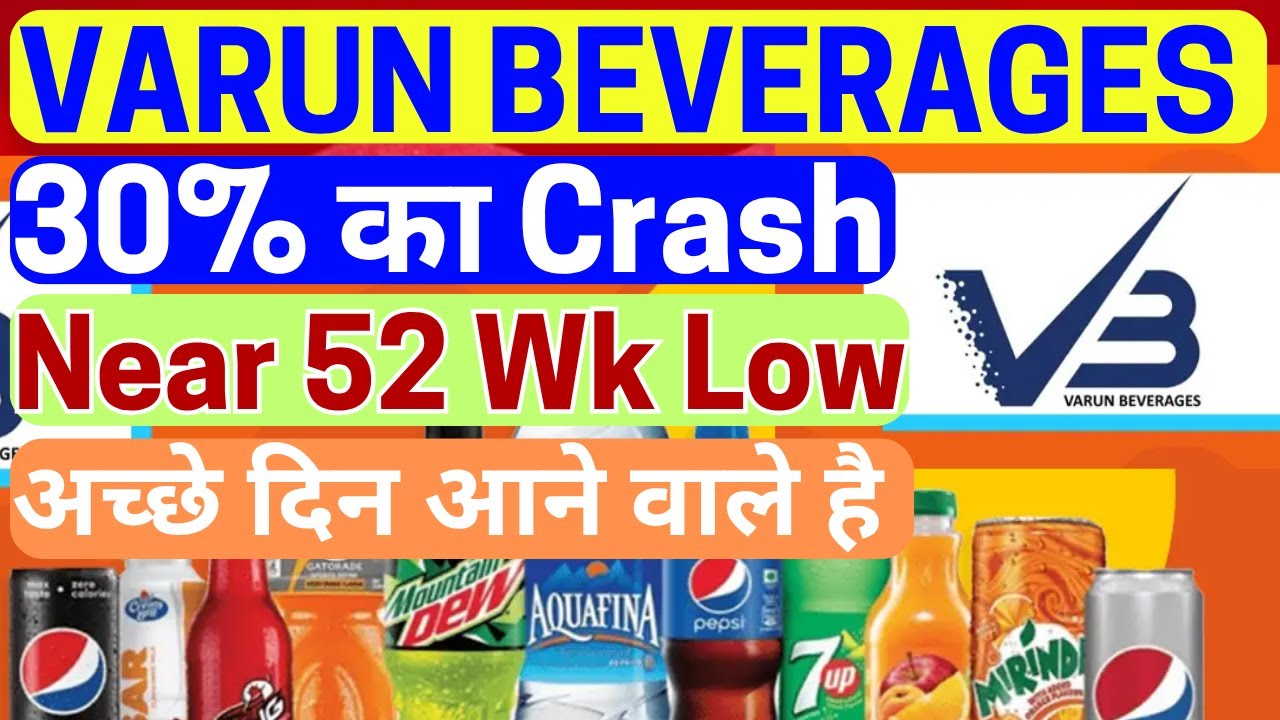
Varun Beverages has solidified its position as a market leader in India’s beverage sector, commanding an impressive 35% market share in 2024, up from 28% in 2014-15. Its robust partnership with PepsiCo, coupled with strategic international expansions, particularly in South Africa, has fueled optimism among analysts. However, the stock has faced challenges, including a 30% correction from its July 2024 peak and growing competition from Campa Cola. This article explores whether these headwinds are temporary or indicative of deeper concerns, offering actionable insights for retail investors.
Varun Beverages Stock Performance: A Closer Look
Recent Stock Price Correction
As of the last trading session on June 13, 2025, Varun Beverages experienced a 1.20% decline, contributing to a broader 30% correction from its all-time high in July 2024. At its peak, the stock traded at levels that reflected strong investor confidence in its growth trajectory. However, the recent pullback has raised concerns about its short-term outlook.
Technical analysts highlight a critical support zone between ₹430 and ₹450. If the stock breaches ₹450 on a closing basis, it could signal further weakness, potentially revisiting the 35% correction low of ₹436 seen earlier. Conversely, holding above this range could pave the way for a recovery, especially if broader market sentiment improves.
Historical Context of the Correction
The 30% correction is not unprecedented for Varun Beverages, which has historically demonstrated resilience after such pullbacks. The stock’s ability to rebound from a 35% crash earlier in 2024 suggests that long-term investors may view the current dip as a buying opportunity. However, technical indicators urge caution, as a sustained break below ₹430 could trigger additional selling pressure.
Growth Drivers for Varun Beverages in 2025
Strong Domestic Market Presence
India’s beverage market remains significantly underpenetrated, with per capita consumption of RTD beverages lagging behind global averages. Varun Beverages is well-positioned to capitalize on this untapped potential, driven by:
- Increasing Urbanization: Rising disposable incomes and urban lifestyles are boosting demand for convenient beverage options.
- Energy Drinks and Hydration Products: Segments like energy drinks and hydration beverages are witnessing strong traction, with VBL’s Sting and Gatorade brands leading the charge.
- Seasonal Demand: The June quarter, traditionally VBL’s strongest, benefits from peak summer demand for carbonated soft drinks and hydration products.
Motilal Oswal’s recent report underscores VBL’s ability to maintain volume growth in the domestic market, projecting double-digit growth over the long term. The company’s management remains confident in achieving a 21% margin in India, driven by operational efficiencies and economies of scale.
International Expansion: South Africa and Beyond
Varun Beverages’ acquisition of a South African bottling company has been a game-changer, expanding its footprint into a high-growth market. Key highlights include:
- Margin Improvement: Analysts expect EBITDA margins in South Africa to rise from 10% in 2024 to 17% by 2027, driven by improved product mix and operational synergies.
- Integration Success: The South African operations are progressing smoothly, with VBL focusing on phasing out low-margin products to enhance profitability.
- Global Diversification: By reducing reliance on the Indian market, VBL mitigates risks associated with domestic competition and economic fluctuations.
Brokerage houses like Motilal Oswal and Goldman Sachs are particularly bullish on the South African market, citing its high-margin potential and alignment with VBL’s long-term growth strategy.
Consumer Shift Toward Healthier Beverages
Evolving consumer preferences are reshaping the beverage industry, with a noticeable shift toward healthier options. Varun Beverages is adapting to this trend by:
- Expanding Its Lemon-Based Portfolio: VBL’s lemon-based drinks have shown 100% year-on-year growth, reflecting strong demand for natural and refreshing beverages.
- Strengthening Energy Drinks: The energy drink segment, led by Sting, continues to outperform, catering to younger demographics seeking functional beverages.
- Innovating Product Offerings: VBL is actively acquiring profitable PepsiCo products to bolster its portfolio while discontinuing non-profitable lines.
This strategic focus on high-growth, consumer-preferred segments positions VBL to capture a larger share of the evolving beverage market.
Competitive Landscape: The Campa Cola Challenge
Rise of Campa Cola
Reliance Industries’ reintroduction of Campa Cola has disrupted the Indian beverage market, leveraging the “Make in India” narrative and aggressive retail expansion. Campa Cola’s competitive pricing and patriotic branding have resonated with consumers, posing a direct threat to Varun Beverages’ market share.
Social media trends indicate growing consumer interest in Campa Cola, with some users praising its taste over PepsiCo products. This shift is partly fueled by geopolitical sentiments, including calls to boycott PepsiCo due to its perceived support for a specific country amid global conflicts like the Israel-Iran tensions.
How Varun Beverages Can Counter Campa Cola
Goldman Sachs anticipates a “minimal impact” from Campa Cola’s entry, citing VBL’s entrenched market position and superior execution capabilities. However, VBL must adopt proactive strategies to maintain its edge:
- Enhancing Brand Loyalty: Investing in marketing campaigns that highlight PepsiCo’s iconic brands, such as Pepsi, Mountain Dew, and Mirinda, can reinforce consumer preference.
- Innovating on Taste: VBL should conduct consumer taste tests to ensure its products remain competitive, addressing feedback that Campa Cola may have a superior flavor profile.
- Leveraging Distribution Networks: VBL’s extensive distribution infrastructure, including thousands of visi-coolers across domestic and international markets, provides a significant advantage over Campa Cola’s nascent network.
The taste factor remains a critical variable. If Campa Cola’s flavor gains widespread acceptance, it could erode VBL’s market share, particularly among price-sensitive consumers. Retail investors are encouraged to monitor consumer sentiment on platforms like X to gauge Campa Cola’s traction.
Brokerage Insights: What Analysts Are Saying
Goldman Sachs’ Bullish Outlook
Goldman Sachs recently issued a “Buy” rating on Varun Beverages with a target price of ₹600, implying a 25% upside from current levels. Key factors driving this optimism include:
- Strong Execution: VBL’s proven track record in scaling operations across India’s underpenetrated RTD market.
- Market Share Gains: The company’s ability to increase its market share from 28% to 35% over a decade reflects its competitive moat.
- International Growth: South Africa’s margin-accretive operations are expected to boost overall profitability.
Goldman Sachs highlights India’s low per capita consumption of RTD beverages as a massive growth opportunity, particularly for energy drinks and hydration products.
Motilal Oswal’s Positive Assessment
Motilal Oswal’s report emphasizes VBL’s consistent volume growth and strategic international expansion. The brokerage is particularly enthusiastic about:
- South African Margins: The integration of the South African bottling company is expected to deliver higher margins than India’s operations.
- Untapped Indian Market: India’s beverage market remains underpenetrated, offering significant room for expansion.
- Double-Digit Growth Guidance: VBL’s management is confident in sustaining double-digit growth, supported by industry tailwinds and new market entries.
Both brokerages underscore VBL’s ability to navigate competitive and geopolitical challenges, making it a top pick for long-term investors.
Financial Performance: Q1 2025 Highlights
Varun Beverages’ Q1 2025 results reflect its resilience amid market challenges:
- Revenue Growth: A 29% year-on-year increase, driven by strong volume growth in carbonated soft drinks and energy drinks.
- EBITDA Growth: A 28% surge, supported by operational efficiencies and a favorable product mix.
- Margin Outlook: Management expects to maintain a 21% margin in India, with further improvements in international markets.
These figures align with Goldman Sachs’ bullish projections, reinforcing confidence in VBL’s financial health. However, investors should remain vigilant for any signs of margin compression due to rising input costs or intensified competition.
Risks and Challenges for Varun Beverages
Geopolitical Headwinds
Global conflicts, such as the Israel-Iran tensions, have fueled boycott campaigns against PepsiCo products in certain markets. While these sentiments are more pronounced on social media than in actual sales data, they could impact consumer perception in India, particularly among younger demographics.
Technical Weakness
The stock’s proximity to the ₹430-₹450 support zone warrants caution. A sustained break below this range could trigger a technical breakdown, potentially leading to further declines. Retail investors should monitor price action closely and consider setting stop-loss levels to manage risk.
Competitive Intensity
Campa Cola’s aggressive expansion, backed by Reliance’s vast retail network, poses a long-term threat. If Campa Cola captures significant market share, it could pressure VBL’s pricing power and margins, particularly in price-sensitive rural markets.
Is Varun Beverages a Good Investment in 2025?
Bullish Case
- Market Leadership: VBL’s 35% market share and strong PepsiCo partnership provide a competitive moat.
- Growth Potential: India’s underpenetrated RTD market and South Africa’s high-margin operations offer robust growth avenues.
- Analyst Support: Goldman Sachs’ ₹600 target and Motilal Oswal’s positive outlook signal strong confidence in VBL’s upside.
- Consumer Trends: The shift toward healthier beverages aligns with VBL’s expanding portfolio of lemon-based and energy drinks.
Bearish Case
- Competitive Threat: Campa Cola’s disruptive entry could erode market share if consumer taste preferences shift.
- Geopolitical Risks: Boycott campaigns against PepsiCo may impact brand perception, particularly in socially conscious markets.
- Technical Risks: A break below ₹430 could signal further downside, deterring short-term investors.
Investment Strategy
For long-term investors, Varun Beverages presents a compelling opportunity at current levels, given its 30% correction and strong fundamentals. The stock’s alignment with India’s consumption growth story, coupled with international diversification, makes it a solid portfolio addition. However, short-term traders should exercise caution, awaiting confirmation of a technical reversal above ₹450 before entering positions.
Actionable Tips for Retail Investors
- Monitor Technical Levels: Keep an eye on the ₹430-₹450 support zone and the ₹600 target projected by Goldman Sachs.
- Track Consumer Sentiment: Follow social media platforms like X for real-time insights into Campa Cola’s traction and consumer preferences.
- Diversify Exposure: Consider pairing VBL with other consumer staples stocks to mitigate sector-specific risks.
- Stay Informed: Regularly review brokerage reports and VBL’s quarterly results to assess its progress against growth targets.
Conclusion: Varun Beverages’ Path Forward
Varun Beverages stands at a pivotal juncture in 2025, balancing immense growth potential with competitive and geopolitical challenges. Its leadership in India’s beverage market, strategic international expansions, and alignment with consumer trends position it as a top contender for long-term investors. While Campa Cola’s rise and technical risks warrant vigilance, VBL’s strong execution and analyst backing suggest that the current correction may be a buying opportunity.
As you navigate this investment decision, weigh the bullish growth drivers against the competitive landscape. Share your thoughts on Varun Beverages in the comments below—have you tried Campa Cola, and how does it compare to PepsiCo’s offerings? Stay informed, stay diversified, and seize the opportunities that 2025 brings.