Tata Motors, a titan in India’s automotive industry, is poised for a transformative journey in 2025. With its strategic demerger, innovative product upgrades, and proactive customer engagement initiatives, the company is setting the stage for significant growth. This article delves into Tata Motors’ latest developments, including the demerger of its commercial and passenger vehicle segments, the introduction of air-conditioned truck cabins, and monsoon checkup camps. We also explore the challenges highlighted by brokerage firms and the potential benefits for shareholders. By unpacking these updates, we aim to provide a comprehensive overview of Tata Motors’ roadmap and its implications for investors, stakeholders, and the broader automotive market.
Understanding Tata Motors’ Demerger: A Game-Changing Strategy
Tata Motors’ decision to split its operations into two distinct entities—commercial vehicles (CV) and passenger vehicles (PV)—marks a pivotal moment for the company. This demerger, scheduled for completion by October 1, 2025, with an appointed date of July 1, 2025, aims to streamline operations and unlock value for shareholders. The move reflects Tata Motors’ commitment to enhancing focus, agility, and accountability across its diverse business segments.
Why the Demerger Matters
The demerger will create two independent companies, each with a clear focus on its respective market. The commercial vehicle segment, encompassing trucks, buses, and other heavy-duty vehicles, will operate separately from the passenger vehicle segment, which includes electric vehicles (EVs) and the prestigious Jaguar Land Rover (JLR) brand. This separation allows each entity to tailor its strategies, address sector-specific challenges, and capitalize on unique growth opportunities.
By dividing its operations, Tata Motors aims to achieve several key objectives:
- Enhanced Focus: Each business unit can prioritize its core competencies, whether it’s innovating in EVs or optimizing logistics for commercial vehicles.
- Independent Growth: Separate entities can pursue distinct growth trajectories, unhindered by the complexities of managing a conglomerate.
- Improved Accountability: Dedicated management teams will drive decision-making, fostering greater transparency and efficiency.
Benefits for Shareholders
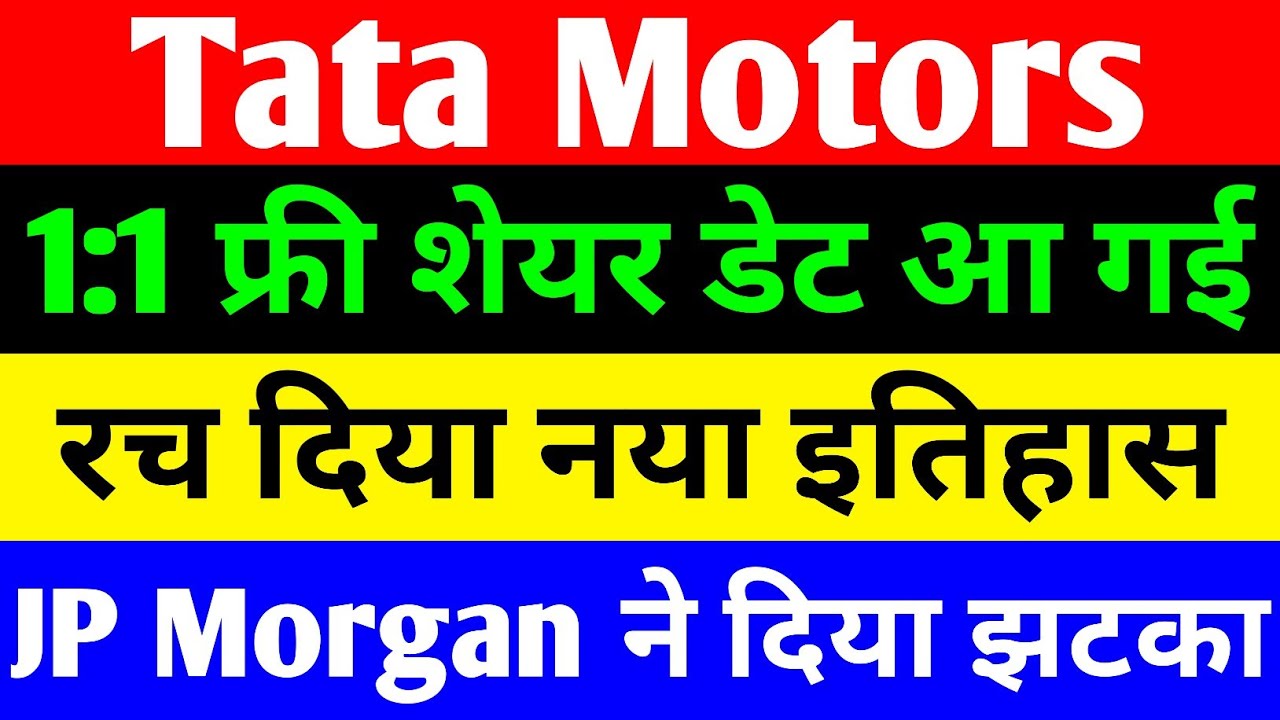
The demerger promises significant advantages for shareholders. With a 1:1 share distribution ratio, investors will receive shares in both the commercial and passenger vehicle companies. This split is expected to result in a fairer valuation, as the market will assess each entity based on its performance and potential. While the initial share price may decrease due to the division, the long-term potential for value creation is substantial. A lower share price could attract new investors, driving demand and potentially boosting stock value as each business demonstrates its growth capabilities.
Moreover, the demerger opens up dual investment opportunities. If one segment outperforms the other, shareholders can benefit from the stronger performer while still holding diversified exposure. This structure enhances the potential for value creation, making Tata Motors an attractive prospect for long-term investors.
Tata Motors’ Innovative Leap: Air-Conditioned Truck Cabins
In a groundbreaking move, Tata Motors has announced that all its trucks will now feature factory-fitted air-conditioned cabins. This decision, aligned with the Indian government’s push for improved driver welfare, positions Tata Motors as a leader in the commercial vehicle sector. The upgrade will be implemented across its entire truck range, including models like CFC, LPT, Ultra, Signa, Prima, and even cowl models.
Addressing Driver Comfort and Safety
Truck drivers in India often face grueling conditions, including long hours in traffic and extreme weather. The absence of air conditioning in truck cabins has been a persistent challenge, leading to driver fatigue and reduced efficiency. Tata Motors’ decision to equip all trucks with AC systems addresses these issues head-on, offering:
- Enhanced Comfort: Dual-mode AC systems with eco and heavy settings ensure optimal cooling, making long journeys more bearable.
- Improved Safety: By reducing driver fatigue, air-conditioned cabins can help lower the risk of accidents caused by discomfort or exhaustion.
- Higher Productivity: Comfortable drivers are more likely to maintain focus and efficiency, benefiting both operators and logistics companies.
This initiative aligns with a directive from India’s Union Minister for Road Transport and Highways, Nitin Gadkari, who in July 2024 approved a draft notification mandating air-conditioned cabins in trucks. Gadkari emphasized that this measure would enhance road safety by improving driver working conditions. Tata Motors’ proactive adoption of this standard underscores its commitment to innovation and social responsibility.
Technical Upgrades and Market Impact
Beyond air conditioning, Tata Motors has introduced value-added features to its commercial vehicles. For instance, the company has boosted the power output of its heavy truck tipper and prime mover lineup to 320 horsepower, enhancing performance and reliability. These upgrades, combined with smart engineering based on customer feedback, position Tata Motors’ trucks as a preferred choice in the competitive commercial vehicle market.
Rajesh Kaul, Vice President and Business Head of Tata Motors’ Commercial Vehicles division, highlighted the significance of this move: “The introduction of air-conditioned cabins is a landmark step toward improving driver comfort and safety. Our smart engineering ensures that these systems deliver superior performance while meeting the needs of long-haul drivers.”
By setting a new industry standard, Tata Motors is likely to strengthen its market share in the commercial vehicle segment, attracting fleet operators and independent drivers alike.
Monsoon Checkup Camps: Boosting Customer Engagement
Ahead of the monsoon season, Tata Motors has launched free vehicle checkup camps, a strategic initiative to enhance customer loyalty and drive business growth. These camps offer over 30 critical testing points, free car washes, and discounts on labor charges for spare parts and engine oil replacements. This move not only ensures that vehicles are monsoon-ready but also creates opportunities for Tata Motors to deepen its customer relationships.
Why Monsoon Camps Matter
India’s monsoon season poses significant challenges for vehicle owners, with heavy rains and poor road conditions increasing wear and tear. Tata Motors’ checkup camps address these concerns by offering:
- Preventive Maintenance: Comprehensive inspections help identify and resolve issues before they escalate, ensuring vehicle reliability.
- Cost Savings: Free checkups and discounted services reduce maintenance costs for customers.
- Customer Retention: By providing value-added services, Tata Motors fosters trust and loyalty, encouraging repeat business and potential vehicle exchanges.
These camps also serve as a marketing tool, drawing customers to Tata Motors’ service centers. Once there, customers may explore additional services or consider upgrading their vehicles, creating new revenue streams for the company.
Navigating Challenges: Brokerage Downgrades and Market Dynamics
While Tata Motors’ strategic initiatives are promising, the company faces challenges that have tempered brokerage optimism. On June 6, 2025, JP Morgan downgraded Tata Motors’ rating from “overweight” to “neutral,” citing several headwinds:
- Tariff Risks: Potential trade barriers could impact Jaguar Land Rover’s global operations.
- Aging Portfolio: JLR’s product lineup faces challenges due to its age, potentially affecting competitiveness.
- Market Share Pressures: Both commercial and passenger vehicle segments are grappling with increased competition in India.
- Weak Industry Growth: Slower growth in India’s automotive sector could hinder Tata Motors’ performance.
JP Morgan’s report suggests that fiscal year 2026 could be challenging, with the possibility of Tata Motors returning to a net debt position. This outlook has raised concerns among investors, potentially leading to short-term stock price volatility.
A Silver Lining for the Future
Despite these challenges, JP Morgan remains cautiously optimistic about Tata Motors’ long-term prospects. The brokerage anticipates a recovery in fiscal years 2027 and 2028, driven by:
- Electric Vehicle Launches: New EV models could bolster JLR’s portfolio and strengthen Tata Motors’ position in the passenger vehicle market.
- Commercial Vehicle Recovery: Improved demand in the CV segment could enhance profitability.
- Stable Market Share: Tata Motors’ focus on innovation and customer engagement may help stabilize its market position.
- Improved Margins: Enhanced operational efficiency and cost management could strengthen the company’s balance sheet.
While short-term hurdles remain, Tata Motors’ strategic initiatives and long-term vision position it for a potential rebound.
Stock Performance and Market Context
Tata Motors’ stock has experienced fluctuations in recent years, reflecting broader market dynamics and company-specific developments. As of June 6, 2025, the stock closed at ₹71, with a modest 0.20% gain. This performance lagged behind the broader market, which saw significant gains driven by banking stocks following a 50-basis-point repo rate cut by the Reserve Bank of India (RBI).
Historical Performance
- Three-Month High: ₹742
- One-Year High: ₹1,179 (also the three-year and five-year high)
- Three-Month Low: ₹535
- One-Year Low: ₹535
- Three-Year Low: ₹375
- Five-Year Low: ₹91
Despite recent volatility, Tata Motors has shown resilience, recovering from its five-year low of ₹91 to reach a high of ₹1,179. The demerger and other strategic moves are expected to further bolster its market performance, provided the company navigates short-term challenges effectively.
Investment Considerations: What Lies Ahead for Tata Motors
Tata Motors’ multifaceted strategy—encompassing the demerger, product upgrades, and customer engagement initiatives—positions it as a dynamic player in the automotive industry. However, investors should approach the stock with caution, considering both opportunities and risks.
Key Takeaways for Investors
- Demerger Benefits: The split into two entities offers diversified investment opportunities and potential for value creation.
- Innovation Leadership: Air-conditioned truck cabins and monsoon camps demonstrate Tata Motors’ commitment to innovation and customer satisfaction.
- Short-Term Challenges: Brokerage downgrades and market pressures may lead to volatility in 2026.
- Long-Term Potential: Recovery in 2027–2028 could drive significant growth, particularly in the EV and CV segments.
Before investing, consult a financial advisor or conduct thorough research to align your strategy with your risk tolerance and investment goals.
Conclusion: Tata Motors’ Road to Resilience
Tata Motors is at a crossroads, balancing transformative opportunities with near-term challenges. The demerger, set to reshape its business structure by October 2025, promises enhanced focus and growth potential. Meanwhile, innovations like air-conditioned truck cabins and monsoon checkup camps underscore the company’s commitment to customer-centric solutions. Despite brokerage concerns, Tata Motors’ long-term outlook remains promising, with strategic initiatives paving the way for a stronger, more agile organization.
As Tata Motors navigates this pivotal phase, stakeholders can look forward to a future defined by innovation, resilience, and value creation. Stay informed, stay strategic, and consider the possibilities that Tata Motors’ bold moves could unlock in the years ahead.