Supreme Court Orders Telangana to Restore Kancha Gachibowli Forest or Face Severe Consequences
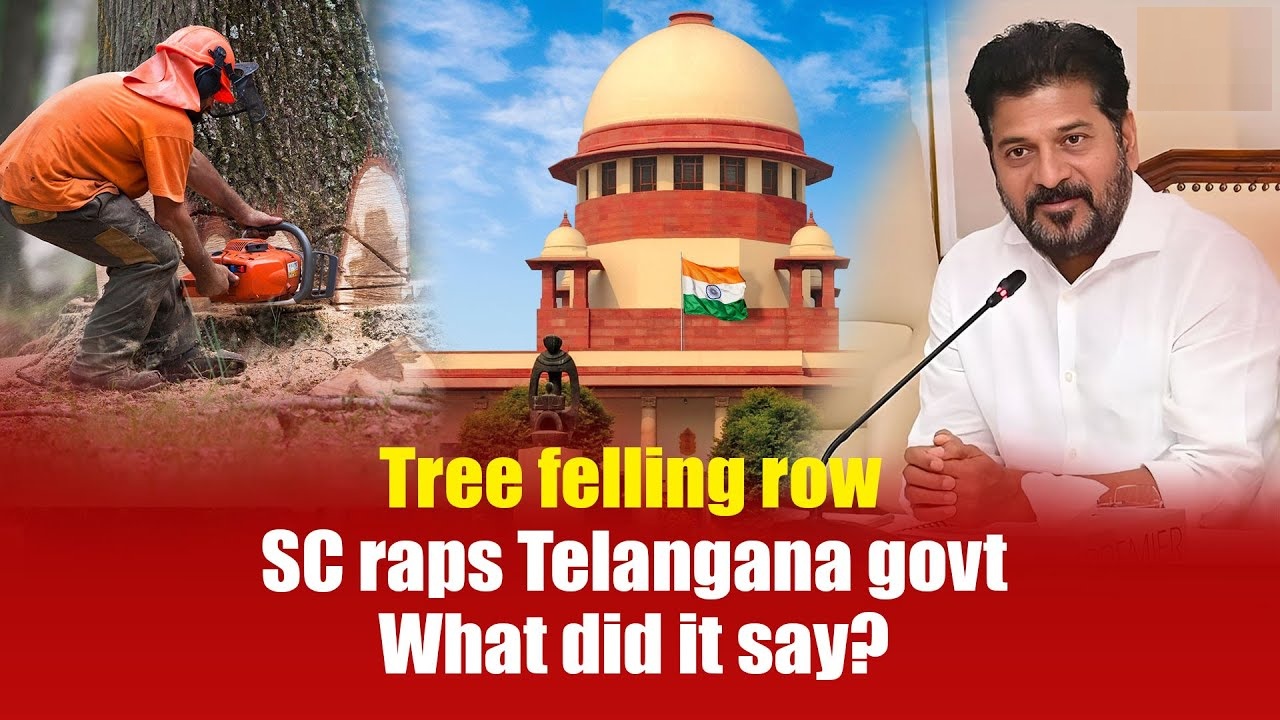
The Supreme Court of India has issued a stern directive to the Telangana government, demanding the restoration of the Kancha Gachibowli forest in Hyderabad or face dire consequences, including potential imprisonment of state officials. This landmark ruling stems from a suo motu case addressing the unauthorized felling of thousands of trees in a 400-acre eco-sensitive zone, sparking widespread protests and raising critical environmental concerns. The Court’s intervention underscores its commitment to preserving India’s natural heritage and holding authorities accountable for ecological violations.
This article delves into the Supreme Court’s ruling, the events leading to the case, the environmental significance of the Kancha Gachibowli forest, and the broader implications for environmental governance in India. With a focus on delivering actionable insights, we explore how this case could set a precedent for sustainable development and forest conservation nationwide.
Background of the Kancha Gachibowli Forest Controversy
The Kancha Gachibowli forest, located on the outskirts of Hyderabad, has long been regarded as an ecological treasure. Spanning 400 acres, this lush green expanse serves as a vital carbon sink and biodiversity hotspot, earning it the moniker “lungs of Hyderabad.” The forest supports diverse flora and fauna, contributing to the city’s ecological balance and mitigating urban pollution.
In a controversial move, the Telangana government, through the Telangana Industrial Infrastructure Corporation (TGIIC), planned to clear large swathes of the forest to auction the land for IT infrastructure development. This decision triggered the large-scale felling of thousands of trees, reportedly during a long weekend to evade public scrutiny. The action drew immediate backlash from environmentalists, local communities, and students from the University of Hyderabad, who staged protests and clashed with authorities to protect the forest.
The Supreme Court took suo motu cognizance of the issue on April 3, 2025, following reports of rampant deforestation. The Court issued an interim order halting further tree felling and sought explanations from the Telangana government regarding the urgency of the project and whether necessary permissions were obtained.
Supreme Court’s Stern Warning to Telangana
During a hearing on April 16, 2025, a bench comprising Chief Justice of India (CJI) B.R. Gavai and Justice Augustine George Masih delivered a powerful message to the Telangana government. The Court emphasized that the state must prioritize restoring the lost forest cover or face severe repercussions, including the possibility of jailing responsible officials.
CJI Gavai remarked, “The state must decide whether to restore the forest or see its officers behind bars. The felling of thousands of trees under the guise of a long weekend is unacceptable.” This oral observation reflects the judiciary’s frustration with the state’s disregard for environmental regulations and its resolve to enforce accountability.
The Court also directed the Central Empowered Committee (CEC), tasked with assisting in complex environmental matters, to conduct an on-site inspection and submit a detailed report. Additionally, the bench imposed a blanket status quo on tree felling in the 400-acre area, reinforcing its commitment to safeguarding the environment.
The case is scheduled for its next hearing on July 23, 2025, with Senior Advocate Abhishek Manu Singhvi representing the Telangana government and Senior Advocate K. Parameshwar serving as Amicus Curiae.
Environmental Significance of Kancha Gachibowli Forest
The Kancha Gachibowli forest is more than just a green patch; it is a critical ecological asset for Hyderabad and the surrounding region. Here’s why its preservation is non-negotiable:
1. Biodiversity Hotspot
The forest is home to a wide array of plant and animal species, many of which are native to the Deccan Plateau. Its destruction threatens the loss of irreplaceable biodiversity, disrupting ecosystems that support pollinators, birds, and other wildlife.
2. Carbon Sequestration
As Hyderabad grapples with rising air pollution, the forest plays a pivotal role in absorbing carbon dioxide and releasing oxygen. Its trees act as natural air filters, improving the city’s air quality and combating climate change.
3. Urban Heat Mitigation
The forest’s dense canopy provides shade and reduces the urban heat island effect, a growing concern in rapidly urbanizing cities like Hyderabad. Its removal could exacerbate heatwaves, making the city less livable.
4. Cultural and Social Value
For local communities, the forest is a space for recreation, spiritual connection, and cultural activities. Its loss would deprive residents of a vital green space, impacting mental and physical well-being.
The Supreme Court’s intervention highlights the forest’s indispensable role in maintaining ecological balance and underscores the need for sustainable urban planning that prioritizes green spaces.
The Role of Protests and Public Outcry
The felling of trees in Kancha Gachibowli sparked widespread protests, with students from the University of Hyderabad at the forefront. These young activists clashed with police, organized rallies, and used social media to amplify their message, drawing national attention to the issue. Their efforts were instrumental in prompting the Supreme Court to take suo motu action.
Environmental organizations and local residents also joined the movement, emphasizing the forest’s role as an eco-sensitive zone. Their collective advocacy underscored the power of grassroots activism in holding authorities accountable and protecting natural resources.
The protests serve as a reminder that public participation is crucial in environmental governance. By raising their voices, citizens can influence policy decisions and ensure that development does not come at the expense of nature.
Legal and Policy Implications of the Supreme Court’s Ruling
The Supreme Court’s ruling in the Kancha Gachibowli case has far-reaching implications for environmental law and policy in India. Here are some key takeaways:
1. Strengthening Environmental Accountability
The Court’s warning to jail officials signals a zero-tolerance approach to environmental violations. This precedent could deter state governments and corporations from bypassing regulations for short-term economic gains.
2. Reinforcing the Importance of Permissions
The Court’s inquiry into whether the Telangana government obtained requisite permissions highlights the need for transparency and adherence to environmental clearance processes. Future projects will likely face greater scrutiny to ensure compliance with the Forest (Conservation) Act, 1980, and other relevant laws.
3. Promoting Reforestation
By prioritizing forest restoration, the Court is setting a benchmark for compensatory afforestation. States may need to adopt robust reforestation strategies to offset ecological damage caused by development projects.
4. Balancing Development and Conservation
The case underscores the need for sustainable development models that integrate environmental conservation. Policymakers must explore alternatives, such as developing IT infrastructure in non-forest areas, to minimize ecological harm.
This ruling could inspire other courts and environmental tribunals to adopt a proactive stance in protecting India’s forests, wetlands, and other natural ecosystems.
Challenges in Restoring the Kancha Gachibowli Forest
Restoring a forest is a complex and time-intensive process that requires careful planning and execution. The Telangana government faces several challenges in complying with the Supreme Court’s directive:
1. Selecting Native Species
Reforestation efforts must prioritize native tree species that are well-suited to the local climate and soil conditions. Non-native species could disrupt the ecosystem and fail to support local wildlife.
2. Ensuring Long-Term Survival
Planting trees is only the first step; ensuring their survival requires regular watering, protection from pests, and monitoring for diseases. Community involvement and government funding will be critical to sustaining these efforts.
3. Addressing Land Use Conflicts
The original plan to auction the land for IT development indicates competing interests. The government must resolve these conflicts by identifying alternative sites for industrial projects while preserving the forest.
4. Building Public Trust
Given the public outcry over the tree felling, the government must demonstrate transparency and commitment to restoration to regain public confidence. Engaging local communities in the reforestation process can foster trust and collaboration.
Despite these challenges, successful reforestation is achievable with a science-based approach, stakeholder collaboration, and long-term commitment.
Broader Context: India’s Forest Conservation Efforts
The Kancha Gachibowli case is part of a larger narrative of forest conservation in India, where rapid urbanization and industrialization often clash with environmental priorities. India has made strides in protecting its forests through laws like the Forest (Conservation) Act, 1980, and initiatives like the National Afforestation Programme. However, enforcement remains a challenge, with illegal logging and land encroachments persisting in many regions.
The Supreme Court has played a pivotal role in shaping India’s environmental jurisprudence, from banning mining in ecologically sensitive areas to mandating compensatory afforestation for development projects. The Kancha Gachibowli ruling builds on this legacy, reinforcing the judiciary’s role as a guardian of the environment.
Globally, forest conservation is a critical component of climate change mitigation. The United Nations’ REDD+ program (Reducing Emissions from Deforestation and Forest Degradation) emphasizes the importance of preserving forests to achieve carbon neutrality. India’s efforts to restore forests like Kancha Gachibowli align with these international goals, positioning the country as a leader in sustainable development.
What Can Telangana Do to Comply with the Supreme Court’s Order?
To meet the Supreme Court’s mandate and restore the Kancha Gachibowli forest, the Telangana government can adopt the following strategies:
1. Develop a Comprehensive Reforestation Plan
Collaborate with environmental experts, botanists, and local communities to create a reforestation plan that prioritizes native species and incorporates best practices for soil restoration and water management.
2. Engage Local Communities
Involve residents, students, and environmental organizations in tree-planting drives and maintenance activities. Community participation can enhance the project’s success and foster a sense of ownership.
3. Strengthen Monitoring Mechanisms
Establish a task force to monitor reforestation progress, track tree survival rates, and address any violations promptly. Regular updates to the Supreme Court and the public can ensure transparency.
4. Explore Alternative Development Sites
Identify non-forest land for IT infrastructure projects to avoid future conflicts. Urban planning should prioritize brownfield development (reusing previously developed land) over greenfield projects that encroach on forests.
5. Invest in Public Awareness
Launch campaigns to educate citizens about the importance of forests and the government’s commitment to restoration. Social media, workshops, and school programs can amplify these efforts.
By taking these steps, Telangana can not only comply with the Court’s order but also set a model for sustainable environmental governance.
The Role of Technology in Forest Restoration
Technology can play a transformative role in restoring the Kancha Gachibowli forest and monitoring its long-term health. Here are some innovative solutions:
1. Drone-Based Reforestation
Drones equipped with seed-dispersal technology can plant trees in hard-to-reach areas, accelerating the reforestation process. These drones can also monitor tree growth and detect signs of stress.
2. Satellite Monitoring
Satellite imagery and remote sensing can track deforestation and reforestation progress in real time, providing data to policymakers and the judiciary. Tools like Google Earth Engine can enhance transparency.
3. IoT for Ecosystem Management
Internet of Things (IoT) devices, such as soil moisture sensors and weather stations, can optimize irrigation and ensure optimal conditions for young trees.
4. Citizen Science Apps
Mobile apps can empower citizens to report illegal activities, participate in tree-planting initiatives, and track the forest’s recovery. Platforms like iNaturalist can also document biodiversity.
By leveraging technology, Telangana can streamline its restoration efforts and demonstrate a forward-thinking approach to environmental conservation.
Conclusion: A Call to Action for Environmental Stewardship
The Supreme Court’s ruling on the Kancha Gachibowli forest is a clarion call for environmental stewardship in India. It sends a powerful message that ecological destruction will not be tolerated, and those in power must prioritize sustainability over short-term gains. For Telangana, the path forward lies in restoring the forest, engaging communities, and embracing innovative solutions to ensure long-term ecological health.
This case also serves as a wake-up call for citizens, policymakers, and businesses to rethink development models that harm the environment. By protecting forests like Kancha Gachibowli, India can lead the way in balancing economic growth with ecological preservation, setting an example for the world.
As the next hearing approaches on July 23, 2025, all eyes will be on Telangana to see whether it rises to the challenge or faces the consequences of inaction. The restoration of Kancha Gachibowli is not just a legal obligation—it’s a moral imperative for a greener, healthier future.