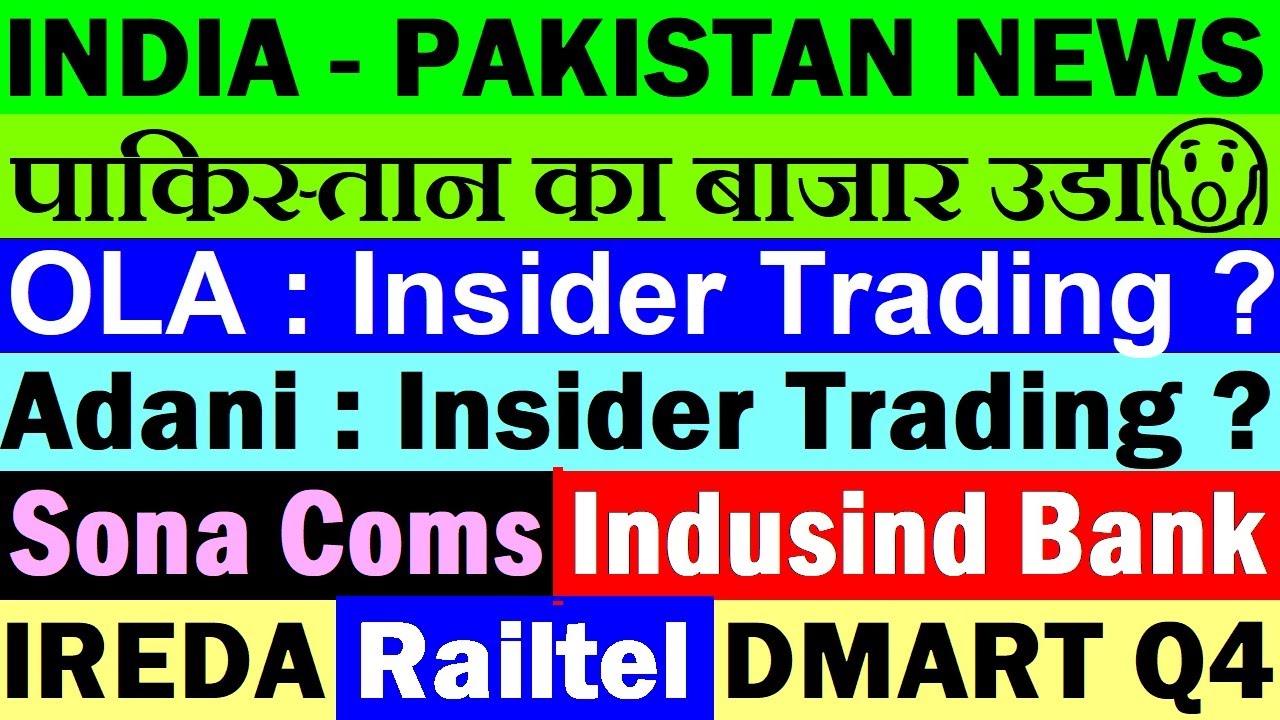
The stock market is a dynamic ecosystem, constantly influenced by corporate performances, regulatory actions, and global economic shifts. This article dives into the latest market developments, focusing on key players like Sonstar, RTel, IndusInd Bank, Adani Group, Ola Electric, DMart, IREDA, and the intriguing surge in Pakistan’s stock market. From insider trading allegations to stellar quarterly results, we uncover the forces shaping investor sentiment and market trends. Whether you’re an investor or a market enthusiast, this comprehensive guide offers actionable insights to navigate the ever-evolving financial landscape.
Sonstar: Riding the Auto Sector Wave
Sonstar, a prominent player in the auto ancillary sector, has been making waves in the stock market. The company’s strong performance is largely attributed to its strategic positioning in the global auto parts market, particularly in the U.S., where tariff relief has played a pivotal role.
Why Sonstar Stands Out
- Tariff Relief Boost: Recent U.S. tariff relaxations have provided a significant tailwind for Sonstar, enabling it to capitalize on export opportunities. The company’s management has projected a positive long-term outlook, emphasizing resilience against tariff-related uncertainties.
- Management’s Optimistic Commentary: Sonstar’s leadership has reassured investors with confident forecasts, highlighting the company’s ability to mitigate short-term challenges. This proactive communication has fueled a positive market reaction, with the stock witnessing steady gains.
- Auto Sector Momentum: The global auto industry’s recovery, coupled with increasing demand for high-quality auto parts, positions Sonstar for sustained growth. Investors are closely monitoring the company’s ability to leverage this momentum.
Sonstar’s ability to navigate tariff fluctuations and maintain robust financials makes it a stock to watch for those seeking exposure to the auto ancillary sector.
RTel: Skyrocketing in the Railway Segment
RTel, a government-backed company operating in the railway sector, has delivered a stellar performance, with its stock surging by nearly 12% in a single trading session. This remarkable rally underscores the company’s strong fundamentals and the government’s focus on railway infrastructure.
Key Drivers of RTel’s Surge
- Impressive Quarterly Results: RTel’s latest earnings report showcased robust financials, exceeding market expectations. The company’s ability to deliver consistent growth in a capital-intensive sector has bolstered investor confidence.
- Government Support: As a public-sector enterprise, RTel benefits from government contracts and policy support, ensuring a steady revenue stream. The recent budget allocations for railway modernization have further strengthened its growth prospects.
- Market Sentiment: The stock’s sharp rally reflects strong market sentiment, with investors betting on RTel’s long-term potential in India’s infrastructure-driven economy.
Despite a slight pullback from its intraday highs, RTel closed with a net gain of approximately 7.5%, signaling sustained investor interest. For those eyeing infrastructure stocks, RTel presents a compelling opportunity.
IndusInd Bank: Clearing the Insider Trading Cloud
IndusInd Bank, a leading private-sector bank, has been under scrutiny due to allegations of insider trading. However, recent developments have brought clarity, boosting the bank’s reputation and stock performance.
SEBI’s Investigation: No Evidence Found
The Securities and Exchange Board of India (SEBI) recently concluded its investigation into alleged insider trading by IndusInd Bank’s management. Reports indicate that SEBI found no concrete evidence to substantiate the claims, providing significant relief to the bank and its investors.
- Management’s Share Sales: Between May 2023 and June 2024, the bank’s CEO offloaded approximately 9.5 lakh shares, valued at around ₹55 crore. These transactions raised red flags, prompting SEBI’s probe.
- What is Insider Trading?: Insider trading involves trading a company’s stock based on non-public, price-sensitive information (PSI). Such activities are illegal as they undermine market fairness. In IndusInd’s case, the absence of PSI misuse has cleared the bank’s leadership of wrongdoing.
- Market Reaction: The positive outcome of SEBI’s investigation has alleviated concerns, with IndusInd Bank’s stock gaining traction. The bank’s focus on transparent governance further enhances its appeal to institutional investors.
Why IndusInd Remains a Strong Contender
IndusInd Bank’s robust financials, coupled with its strategic expansion in retail and corporate banking, position it as a resilient player in India’s banking sector. The resolution of the insider trading probe reinforces its credibility, making it an attractive pick for long-term investors.
Adani Group: Navigating Insider Trading Allegations
The Adani Group, one of India’s largest conglomerates, has faced its share of controversies, with recent SEBI allegations of insider trading adding to the scrutiny. The accusations center around Pranav Adani, nephew of Gautam Adani, and his alleged sharing of price-sensitive information.
Details of the Allegations
- SEBI’s Claims: SEBI has accused Pranav Adani of sharing PSI related to Adani Group’s acquisition of SB Energy with his brother-in-law, Kunal Shah, before the deal was publicly announced. This allegedly enabled illicit profits through strategic share transactions.
- Illicit Profits: The premature disclosure of PSI reportedly led to significant price movements in Adani Group stocks, allowing certain parties to capitalize on the deal’s announcement.
- Settlement Efforts: The Adani Group is reportedly seeking to settle the matter with SEBI, aiming to resolve the issue without prolonged litigation.
Implications for Adani Group
While the allegations have cast a shadow over the conglomerate, the Adani Group’s diversified portfolio and strong market presence continue to drive investor interest. The outcome of the settlement talks will be critical in determining the group’s short-term stock performance. For now, investors are advised to monitor developments closely while focusing on the group’s long-term growth in infrastructure, energy, and logistics.
Ola Electric: Under SEBI’s Radar
Ola Electric, a frontrunner in India’s electric vehicle (EV) market, has also come under SEBI’s scrutiny for alleged insider trading. The company, however, has vehemently denied the accusations, labeling them as inaccurate.
Ola Electric’s Response
- Immediate Denial: Ola Electric issued a statement refuting SEBI’s claims, asserting that no insider trading activities have taken place. The company’s swift response aims to restore investor confidence.
- Market Impact: The allegations have introduced volatility in Ola Electric’s stock, with investors awaiting further clarity. The company’s ability to address SEBI’s concerns will be crucial in stabilizing its market position.
- EV Sector Outlook: Despite the regulatory challenges, Ola Electric remains a key player in India’s burgeoning EV market. The government’s push for sustainable mobility and increasing consumer demand for EVs bode well for the company’s long-term prospects.
Investors should exercise caution until SEBI’s investigation concludes but keep an eye on Ola Electric’s innovative product pipeline and market expansion strategies.
DMart: Anticipation Builds for Q4 Results
Avenue Supermarts, popularly known as DMart, is gearing up to announce its Q4 results, generating significant buzz in the retail sector. As India’s leading listed retail chain, DMart’s performance is closely watched by investors and analysts alike.
What to Expect from DMart’s Q4
- Strong Revenue Growth: DMart’s focus on value retailing and operational efficiency is expected to drive robust revenue growth in Q4. The company’s ability to maintain competitive pricing while expanding its store network will be a key highlight.
- Market Leadership: In the listed retail space, DMart enjoys a dominant position, outpacing competitors with its customer-centric approach and streamlined supply chain.
- Investor Sentiment: The anticipation surrounding DMart’s results has fueled positive sentiment, with analysts predicting a strong performance. The stock’s historical resilience during volatile market conditions adds to its appeal.
DMart’s Q4 results, set to be released on a Saturday, are poised to offer valuable insights into the retail sector’s growth trajectory. Investors should mark their calendars for this pivotal announcement.
IREDA: Leadership Continuity Boosts Confidence
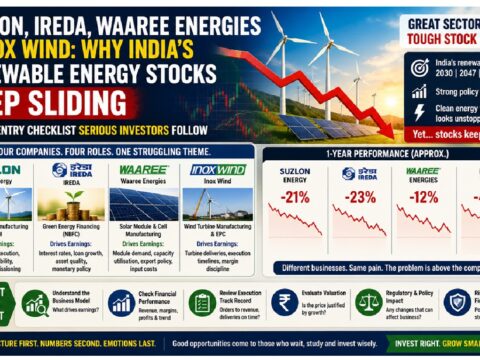
The Indian Renewable Energy Development Agency (IREDA), a key player in India’s renewable energy sector, has received a significant boost with the government’s decision to extend the tenure of its CMD, Shri Pradeep Kumar Das.
Why the Extension Matters
- Leadership Stability: The extension ensures continuity in IREDA’s strategic vision, particularly in scaling up renewable energy financing. Shri Das’s leadership has been instrumental in driving IREDA’s growth.
- Government Backing: The government’s decision reflects confidence in IREDA’s role in achieving India’s ambitious renewable energy targets. This support enhances the company’s credibility among investors.
- Stock Performance: The news has sparked positive momentum in IREDA’s stock, with investors optimistic about the company’s ability to capitalize on India’s green energy boom.
IREDA’s focus on sustainable financing, coupled with strong government support, positions it as a top pick in the renewable energy space.
Pakistan’s Stock Market: A Surprising Surge
Pakistan’s stock market, represented by the Karachi 100 Index (KSE-100), recently witnessed a remarkable 2.5% surge, defying expectations given the country’s economic challenges. This unexpected rally has piqued the interest of global investors, prompting a closer look at the underlying drivers.
What Fueled the Rally?
- IMF Loan Approval: The primary catalyst for the KSE-100’s surge was the approval of a $1.3 billion loan from the International Monetary Fund (IMF). Such financial aid has historically triggered positive market reactions in Pakistan, as it provides temporary economic relief.
- Economic Context: Pakistan’s economy faces significant hurdles, including high inflation and currency depreciation. However, external funding from institutions like the IMF, Saudi Arabia, or China often sparks short-term market optimism.
- India’s Concerns: India has raised objections to the IMF’s loan, citing concerns over the potential misuse of funds for terror-related activities. This has added a geopolitical dimension to Pakistan’s economic narrative.
Why Pakistan’s Market Dynamics Differ
Unlike India, where market performance is driven by robust economic indicators like GDP growth, foreign direct investment (FDI), and corporate earnings, Pakistan’s stock market is heavily influenced by external financial aid. The KSE-100’s rally reflects a unique economic model, where loans and bailouts play a disproportionate role in shaping market sentiment.
- Currency Impact: The Pakistani rupee’s volatility adds complexity to the market’s performance, with currency fluctuations often amplifying or dampening gains.
- Global Perception: International rating agencies and investors view Pakistan’s economy with caution, limiting its appeal compared to emerging markets like India.
Implications for Investors
Pakistan’s stock market offers high-risk, high-reward opportunities for speculative investors. However, the reliance on external aid and geopolitical tensions with India warrant caution. Long-term investors may find more stability in markets with stronger economic fundamentals.
Understanding Insider Trading: A Closer Look
Insider trading remains a critical issue in global financial markets, with regulatory bodies like SEBI taking stringent measures to ensure transparency and fairness. The recent cases involving IndusInd Bank, Adani Group, and Ola Electric highlight the importance of understanding this concept.
What is Insider Trading?
Insider trading occurs when individuals with access to non-public, price-sensitive information (PSI) use it to trade stocks, gaining an unfair advantage. PSI includes details about mergers, acquisitions, earnings reports, or other events that could significantly impact a company’s stock price.
- Legal Implications: Insider trading is illegal in most jurisdictions, as it undermines market integrity and erodes investor trust. Violators face hefty fines, imprisonment, or both.
- Examples in Context: In the Adani Group case, the alleged sharing of PSI related to the SB Energy acquisition exemplifies how insider trading can lead to illicit profits. Similarly, Ola Electric’s scrutiny underscores the need for robust compliance frameworks.
How SEBI Tackles Insider Trading
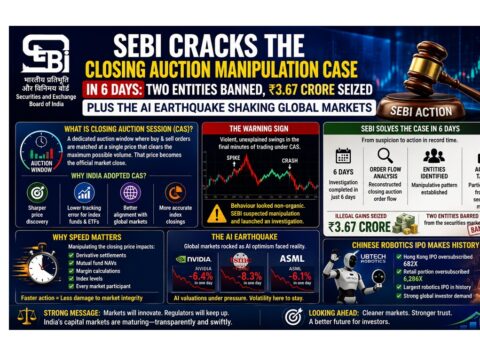
SEBI employs advanced surveillance systems and data analytics to detect suspicious trading patterns. The regulator’s proactive approach, as seen in the IndusInd Bank investigation, ensures that companies adhere to strict governance standards.
- Transparency Measures: Companies are required to disclose PSI promptly to prevent misuse by insiders.
- Penalties: SEBI imposes severe penalties on violators, including monetary fines and trading bans, to deter insider trading.
Investors should stay informed about regulatory developments and prioritize companies with strong governance practices to mitigate risks associated with insider trading.
Key Takeaways for Investors
The stock market’s recent developments offer a mix of opportunities and challenges for investors. Here are the key takeaways to guide your investment strategy:
- Diversify Across Sectors: Stocks like Sonstar (auto ancillary), RTel (railways), and IREDA (renewable energy) highlight the potential in diverse sectors. A balanced portfolio can mitigate risks and capitalize on sector-specific growth.
- Monitor Regulatory Developments: Insider trading allegations, as seen with Adani Group and Ola Electric, underscore the importance of staying updated on regulatory actions. Companies with transparent governance are safer bets.
- Focus on Fundamentals: DMart’s upcoming Q4 results and IndusInd Bank’s strong financials emphasize the value of investing in companies with solid fundamentals and consistent performance.
- Understand Global Dynamics: Pakistan’s stock market surge, driven by IMF loans, illustrates the impact of global economic factors on local markets. Investors should consider macroeconomic trends when making decisions.
- Stay Informed: Regularly track company announcements, quarterly results, and market news to make informed investment choices. Resources like free stock market classes, as mentioned in the original transcript, can enhance your financial literacy.
Conclusion: Navigating the Market with Confidence
The stock market is a complex but rewarding arena, offering opportunities for those who stay informed and strategic. From Sonstar’s tariff-driven rally to Pakistan’s loan-fueled surge, the latest developments underscore the interplay of corporate performance, regulatory oversight, and global economics. By focusing on companies with strong fundamentals, transparent governance, and growth potential, investors can navigate market volatility with confidence.
Whether you’re eyeing RTel’s infrastructure-driven growth, DMart’s retail dominance, or IREDA’s renewable energy prospects, the key is to align your investments with your risk tolerance and financial goals. Stay vigilant, leverage reliable market insights, and seize the opportunities that today’s dynamic market presents.