India’s urban landscape is evolving rapidly, with Tier-2 and Tier-3 cities emerging as dynamic hubs of economic growth and real estate innovation. While metropolitan giants like Mumbai, Delhi, and Bengaluru have long dominated the spotlight, smaller cities such as Indore, Coimbatore, and Bhubaneswar are rewriting the narrative. Fueled by infrastructure development, government policies, and shifting demographic trends, these urban centers are transforming into vibrant real estate markets, offering affordability, opportunity, and modern lifestyles.
This article explores the profound impact of urbanization on real estate trends in Tier-2 and Tier-3 cities, diving into the key drivers, emerging opportunities, and challenges shaping these markets. From affordable housing to commercial expansion, discover why these cities are the future of Indian real estate.
Understanding Tier-2 and Tier-3 Cities: A New Urban Frontier
Before delving into real estate trends, let’s clarify what defines Tier-2 and Tier-3 cities in India:
- Tier-1 Cities: Major metropolitan areas like Mumbai, Delhi, Bengaluru, and Chennai, known for high population density and advanced infrastructure.
- Tier-2 Cities: Urban centers with populations between 1 and 5 million, such as Jaipur, Lucknow, and Kochi, offering a blend of affordability and growth potential.
- Tier-3 Cities: Smaller cities with populations below 1 million, like Mysuru, Siliguri, and Ujjain, emerging as regional economic hubs.
These non-metro cities are gaining prominence as cost-effective alternatives to Tier-1 cities, attracting residents, businesses, and investors with lower living costs, abundant land, and improving connectivity.
Key Drivers of Urbanization in Tier-2 and Tier-3 Cities
Urbanization in smaller cities is not a random phenomenon—it’s driven by a combination of policy initiatives, economic shifts, and lifestyle changes. Here are the primary forces propelling growth:
1. Government Initiatives Fueling Urban Development
The Indian government has launched ambitious programs to modernize Tier-2 and Tier-3 cities, making them attractive for real estate investment. Key initiatives include:
- Smart Cities Mission: This program targets 100 cities, including many Tier-2 and Tier-3 hubs, to enhance infrastructure, e-governance, and sustainability.
- Atal Mission for Rejuvenation and Urban Transformation (AMRUT): Focused on improving water supply, sewage systems, and urban mobility in smaller cities.
- Pradhan Mantri Awas Yojana (PMAY): Encourages affordable housing through subsidies, driving residential development in non-metro areas.
- Industrial Corridors: Projects like the Delhi-Mumbai Industrial Corridor (DMIC) and Amritsar-Kolkata Industrial Corridor are fostering industrial growth in cities like Indore and Nagpur.
These policies create a robust foundation for urbanization, attracting developers and investors to untapped markets.
2. Reverse Migration and Changing Demographics
The COVID-19 pandemic triggered a significant demographic shift, with many professionals relocating from metro cities to their hometowns in Tier-2 and Tier-3 cities. This “reverse migration” has spurred demand for quality housing, modern amenities, and co-working spaces. Remote work trends have further accelerated this shift, enabling people to live in smaller cities without sacrificing career opportunities.
3. IT and BPO Sector Expansion
The IT and Business Process Outsourcing (BPO) industries are no longer confined to Tier-1 cities. Companies are setting up operations in cities like Coimbatore, Jaipur, and Bhubaneswar to reduce costs and tap into local talent pools. This expansion drives demand for commercial real estate, including office spaces, and residential properties for employees.
4. Enhanced Connectivity and Infrastructure
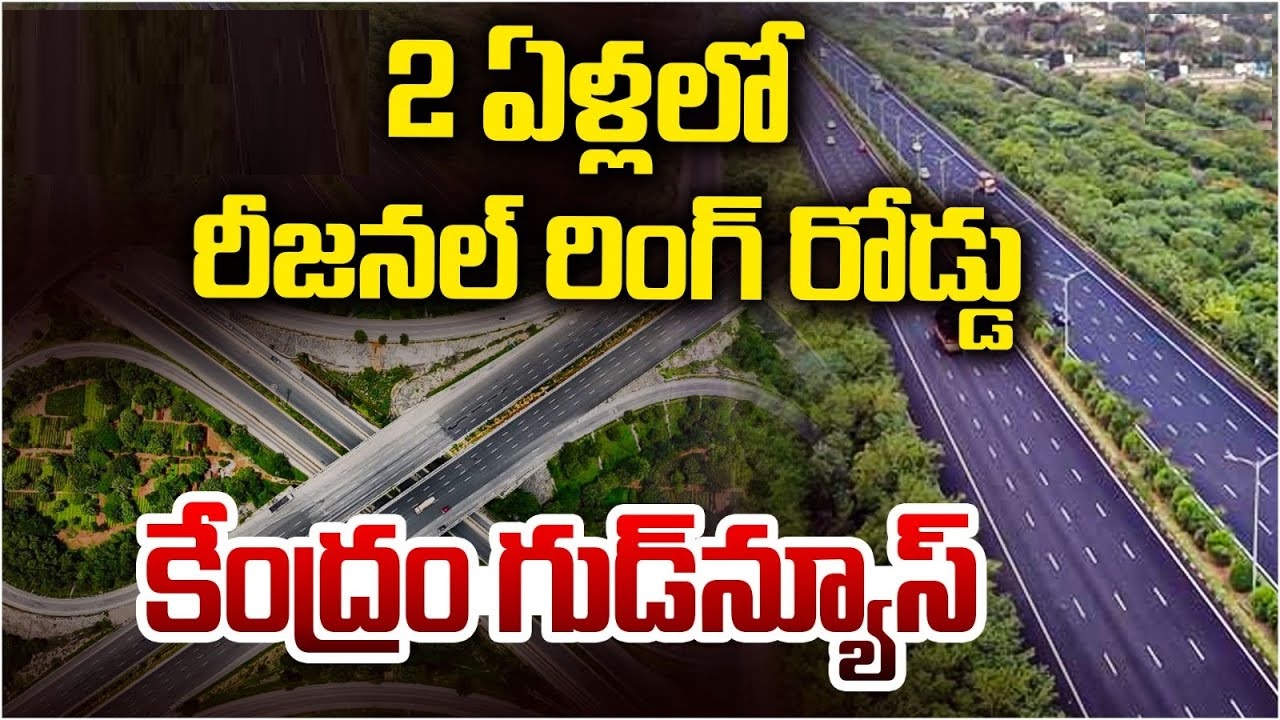
Improved infrastructure is a game-changer for Tier-2 and Tier-3 cities. New highways, expressways, metro systems, and airports have enhanced connectivity, making these cities accessible and appealing for businesses and residents. For example:
- Lucknow benefits from the Agra-Lucknow Expressway and an expanding metro network.
- Indore is connected via the Mumbai-Indore Expressway and a growing airport.
- Bhubaneswar is emerging as a smart city with upgraded rail and road links.
Better connectivity boosts trade, tourism, and real estate development, positioning these cities as regional powerhouses.
5. Affordability and Quality of Life
Compared to Tier-1 cities, Tier-2 and Tier-3 cities offer affordable real estate, lower living costs, and a better quality of life. First-time homebuyers, retirees, and investors are drawn to these markets for their value-for-money properties and serene environments. Cities like Mysuru and Kochi, known for their pleasant climates and cultural heritage, are particularly popular among retirees and families.
Emerging Real Estate Trends in Tier-2 and Tier-3 Cities
Urbanization is reshaping the real estate landscape in smaller cities, giving rise to diverse trends that cater to evolving consumer needs. Here are the most prominent developments:
1. Surge in Affordable and Mid-Segment Housing
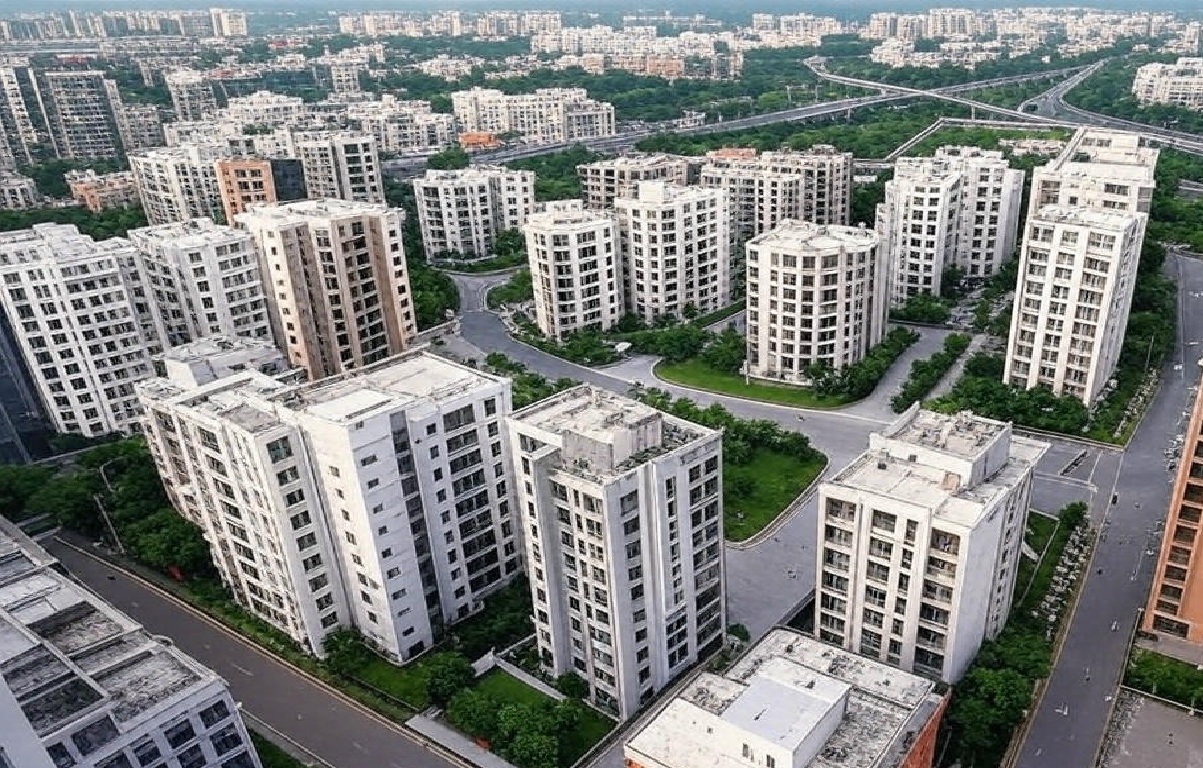
The residential real estate market in Tier-2 and Tier-3 cities is booming, driven by demand for affordable and mid-income housing. Developers are launching projects ranging from compact apartments to spacious villas and gated communities. Key trends include:
- Gated Communities: Offering security, green spaces, and modern amenities like gyms and clubhouses.
- Township Projects: Large-scale developments with integrated residential, commercial, and recreational facilities.
- Plotted Developments: Popular in cities like Coimbatore and Mysuru, where buyers prefer to build custom homes.
These projects cater to a growing middle class seeking comfort and convenience at reasonable prices.
2. Commercial Real Estate on the Rise
As disposable incomes increase and consumer behavior evolves, Tier-2 and Tier-3 cities are witnessing a commercial real estate boom. Notable developments include:
- Shopping Malls and Retail Outlets: Cities like Indore and Lucknow are seeing new malls and high-street retail spaces.
- Co-Working Spaces: Catering to freelancers, startups, and remote workers.
- Office Parks: Designed for IT companies, BPOs, and small businesses expanding into these cities.
These projects reflect the growing economic activity and urban sophistication in smaller cities.
3. Growing Rental Market
The rental market is thriving in Tier-2 and Tier-3 cities, fueled by diverse demographics, including:
- Students: Attending universities and colleges in cities like Bhubaneswar and Coimbatore.
- Migrant Professionals: Working in local industries, government offices, or BPO centers.
- Government Employees: Relocated to state capitals like Lucknow and Bhubaneswar.
This demand has led to an increase in rental apartments, paying guest accommodations, and serviced residences.
4. Industrial and Logistics Hubs
Tier-2 and Tier-3 cities are emerging as key destinations for industrial and logistics real estate. Cities like Nagpur, Indore, and Siliguri are strategically located along industrial corridors, making them ideal for:
- Warehousing: Driven by e-commerce growth and supply chain optimization.
- Light Manufacturing: Supporting industries like textiles, food processing, and electronics.
- Logistics Parks: Facilitating efficient transportation and storage.
These developments create jobs and stimulate demand for nearby residential and commercial properties.
5. Hospitality and Healthcare Investments
The services sector is driving real estate growth in smaller cities, with significant investments in hospitality and healthcare. Trends include:
- Hotels and Resorts: Catering to tourists and business travelers in cities like Ujjain and Mysuru.
- Diagnostic Centers and Hospitals: Multi-specialty healthcare facilities are expanding to meet local demand.
- Wellness Centers: Offering holistic health and retirement living options.
These projects enhance the appeal of Tier-2 and Tier-3 cities as liveable and investment-friendly destinations.
High-Growth Tier-2 and Tier-3 Cities to Watch
Several Tier-2 and Tier-3 cities are leading the charge in real estate development, driven by unique strengths and strategic advantages. Here are five standout markets:
1. Indore, Madhya Pradesh
- Why It’s Hot: Consistently ranked as India’s cleanest city, Indore boasts a thriving IT ecosystem and the ambitious Super Corridor development.
- Real Estate Trends: High demand for residential apartments, plotted developments, and commercial spaces.
- Growth Drivers: Proximity to industrial corridors and excellent connectivity via road and air.
2. Coimbatore, Tamil Nadu
- Why It’s Hot: Known for its industrial base, pleasant climate, and top-tier educational institutions.
- Real Estate Trends: Surge in plotted developments, mid-segment apartments, and co-working spaces.
- Growth Drivers: Strong textile and manufacturing sectors, coupled with a growing IT presence.
3. Lucknow, Uttar Pradesh
- Why It’s Hot: As the state capital, Lucknow benefits from major infrastructure projects like metro lines and expressways.
- Real Estate Trends: Rising demand for villas, gated communities, and commercial complexes.
- Growth Drivers: Political and economic significance, improved connectivity, and urban planning.
4. Bhubaneswar, Odisha
- Why It’s Hot: A designated smart city with strong governance and a growing IT and education sector.
- Real Estate Trends: Expansion of residential zones, office spaces, and retail hubs.
- Growth Drivers: Investments in smart infrastructure and a business-friendly environment.
5. Mysuru, Karnataka
- Why It’s Hot: A cultural and retirement haven with a serene environment and proximity to Bengaluru.
- Real Estate Trends: Growth in luxury apartments, plotted developments, and wellness-focused projects.
- Growth Drivers: Tourism, education, and increasing interest from retirees and NRIs.
Opportunities for Real Estate Developers
Tier-2 and Tier-3 cities offer a wealth of opportunities for developers looking to diversify their portfolios and capitalize on emerging markets. Key advantages include:
- Lower Land Costs: Affordable land prices enable cost-effective project development.
- Faster Approvals: Smaller jurisdictions often have streamlined regulatory processes.
- High Demand: Growing populations and rising incomes create a steady demand for modern housing and commercial spaces.
- First-Mover Advantage: Early entrants can establish brand loyalty in less saturated markets.
- Long-Term Returns: Urbanization trends ensure sustained growth and appreciation in property values.
By focusing on innovative designs, sustainable practices, and consumer-centric amenities, developers can unlock significant value in these markets.
The Role of Technology in Real Estate Growth
Technology is bridging the gap between Tier-2/Tier-3 cities and metro markets, revolutionizing how properties are bought, sold, and managed. Key advancements include:
- Virtual Property Tours: Enabling remote buyers to explore properties in real-time.
- Online Documentation: Streamlining home loan applications, property registrations, and payments.
- Proptech Platforms: Real estate portals provide transparent pricing and market insights, empowering buyers and investors.
- Smart Home Features: Developers are integrating IoT-enabled systems for security, energy efficiency, and convenience.
These innovations make Tier-2 and Tier-3 cities accessible to a national and global audience, driving investment and growth.
Challenges in Real Estate Development
While the potential is immense, developing real estate in Tier-2 and Tier-3 cities comes with challenges that require strategic solutions:
1. Inconsistent Regulations
Varying development norms across cities can complicate project planning and execution. Developers must navigate local policies and build strong relationships with authorities.
2. Limited Access to Funding
Smaller markets may lack the attention of institutional investors, making it harder for developers to secure large-scale financing. Creative funding models, such as public-private partnerships, can help bridge this gap.
3. Infrastructure Gaps
Some Tier-3 cities face issues like inadequate roads, sewage systems, or power supply, which can delay projects. Collaboration with government initiatives like AMRUT can address these challenges.
4. Skilled Labor Shortages
Construction in smaller cities often suffers from a lack of trained professionals. Developers can invest in local training programs to build a reliable workforce.
Government Support for Smaller City Growth
The Indian government is actively supporting urbanization and real estate development in Tier-2 and Tier-3 cities through targeted programs:
- Smart Cities Mission: Enhancing infrastructure and livability in 100 cities.
- PMAY – Urban: Subsidizing affordable housing to meet the needs of low- and middle-income families.
- Digital India and BharatNet: Expanding digital connectivity to enable smart townships and remote work.
- National Industrial Corridor Development Corporation (NICDC): Promoting industrial clusters that drive job creation and real estate demand.
These initiatives create a conducive environment for sustainable urban growth and real estate innovation.
The Future of Real Estate in Tier-2 and Tier-3 Cities
The next decade will see Tier-2 and Tier-3 cities evolve into mini-metros, characterized by planned development, smart infrastructure, and technology-driven urban planning. Key trends to watch include:
- Sustainable Housing: Eco-friendly designs and energy-efficient buildings will gain traction.
- Mixed-Use Developments: Combining residential, commercial, and recreational spaces for convenience and efficiency.
- Work-from-Anywhere Formats: Properties designed for remote work with dedicated home offices and high-speed internet.
- Digital Transactions: Blockchain-based property records and online marketplaces will streamline buying and selling.
As these cities absorb urban pressure from metros, they will foster regional equity, create jobs, and drive inclusive economic growth.
Why Tier-2 and Tier-3 Cities Are the Future
Urbanization is no longer a metro-centric story in India. Tier-2 and Tier-3 cities are redefining real estate through affordability, connectivity, and untapped potential. For developers, investors, and policymakers, these cities offer a golden opportunity to shape modern, sustainable urban landscapes.
By leveraging government support, embracing technology, and addressing challenges, stakeholders can build vibrant communities that provide not just homes but also hope for millions of Indians. As these cities rise, they will cement their place as the backbone of India’s urban and economic future.