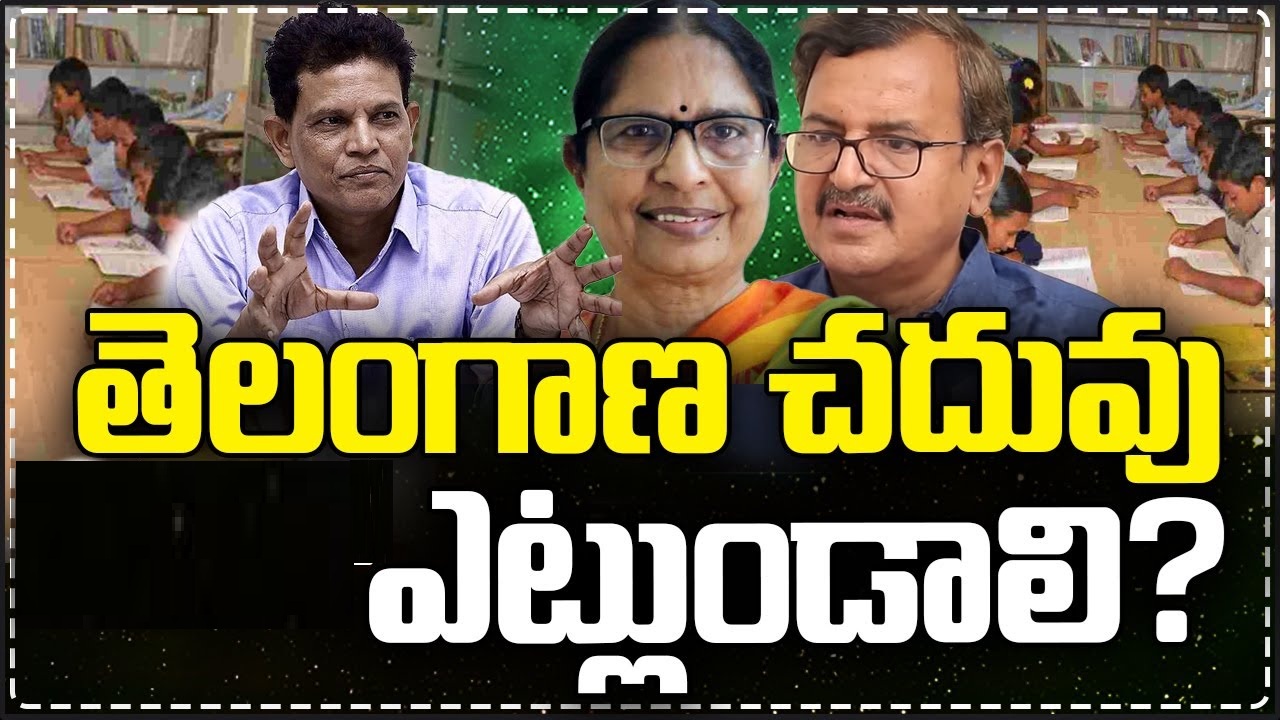
Telangana’s government school education system is poised for a major overhaul following the recommendations by Akunuri Murali. His insights provide a roadmap for reforming a crumbling framework, focusing on strategic changes in curriculum, administration, and infrastructure. This article delves into the key aspects of his recommendations and their potential to reshape education in the state.
Commission Reports and Their Impact
Murali emphasizes that commissions are not merely advisory bodies but can also be tasked with implementation responsibilities, depending on the Chief Minister’s directives. For instance, the Krishna River Basin Commission includes implementation duties alongside recommendations. This precedent underscores the potential for commissions like Murali’s to actively shape education policies.
Addressing Urgent Issues: Poisonous Cases and Immediate Responses
One of the immediate challenges highlighted is addressing cases that jeopardize children’s health and safety. Murali’s commission plans to deliver reports swiftly, with a 10-day timeline for actionable recommendations. Transparency is a priority, with reports expected to be made available in the public domain. This approach aims to foster trust and accountability.
Comprehensive Evaluation of Schools
The commission conducted an exhaustive evaluation of more than 100 schools, covering government, private, and corporate institutions across various districts. This effort aims to identify best practices in teaching methodologies, infrastructure, and administration. By learning from successful models, the commission intends to implement sustainable reforms in Telangana’s schools.
Key issues such as inadequate infrastructure, high student-to-teacher ratios, and lack of extracurricular development opportunities were also scrutinized. Murali emphasizes that reforms will prioritize equity, ensuring government schools can compete with private institutions in quality and resources.
Regulating Private Schools and Controlling Fee Hikes
Murali draws attention to the alarming rates of suicides among students in private institutions, particularly in Narayana and Sri Chaitanya schools. He advocates for stricter regulations on exorbitant fees and better mental health support for students. The commission is committed to addressing these concerns before the next academic year to safeguard students’ well-being.
Curriculum Overhaul: Reducing the Burden on Students
One of the most innovative proposals from Murali’s report involves reducing the weight of school bags. Surveys revealed that students, especially in government schools, carry bags weighing 7–9 kilograms, a significant burden that impacts their health and learning experience. To tackle this, the commission recommends transitioning to a semester-based system and introducing bilingual textbooks where necessary.
Murali’s vision includes revising the curriculum to make it more relevant to today’s job market. By fostering employability skills and incorporating modern teaching aids, students will be better equipped for higher education and career opportunities.
Systematic Reforms for Long-Term Impact
Reforming a collapsed system requires a systematic approach, and Murali’s commission has outlined a step-by-step plan for sustainable change. This includes:
- Identifying Non-Relevant Curriculum
The commission will establish specialized committees to analyze and remove outdated topics from the curriculum. Around 35 committees focusing on various subjects will ensure comprehensive updates. - Enhancing Teacher Training
Providing continuous professional development for teachers to adopt innovative teaching practices and manage diverse classrooms effectively. - Improving Infrastructure
Recommendations include allocating sufficient budgets for hostel facilities, classrooms, and labs, ensuring equitable access to quality education resources. - Digital Integration
Incorporating technology in classrooms to foster a hybrid learning environment that combines traditional and digital education methods.
Challenges in Implementation
Murali acknowledges that implementing these reforms is a monumental task. The commission faces challenges such as budget constraints and resistance to change from various stakeholders. However, he believes a systematic and collaborative approach can overcome these hurdles. He also points out that education reforms require not just government initiatives but active community participation.
Challenges and Achievements in Telangana’s Education Today
It’s no secret—Telangana has its fair share of hurdles when it comes to education. Among the pressing challenges are:
- Lack of sufficient infrastructure in public schools
- Teacher shortages, especially in rural and tribal areas
- High dropout rates, particularly among girl students
- Limited digital connectivity hindering modern learning methods
But here comes the twist—despite these challenges, Telangana also has wins worth celebrating! Did you know the state boasts a literacy rate of nearly 72%? Or that it pioneers innovative solutions like digital classrooms and “T-SAT” networks to support remote education? Major applause for initiatives like Mission Bhagiratha, which improved hygiene and sanitation in schools, making them safer for students.
Future Vision: Building Employable Skills
One of the cornerstone goals of the reform is to equip students with employable skills. Murali suggests collaborating with universities and industries to align school curricula with the demands of the job market. This includes introducing vocational courses, coding classes, and entrepreneurship programs at the school level. By making these changes, the education system will become a robust pipeline for future-ready talent.
A Roadmap for Educational Transformation
Murali’s recommendations extend beyond fixing immediate issues; they lay a foundation for a transformative educational ecosystem in Telangana. His emphasis on prioritizing reforms systematically, reducing administrative clutter, and involving stakeholders at every level is key to the plan’s success.
The commission’s proposal also calls for increased budget allocation, with recommendations to raise education spending to at least 15% of the state budget. This reflects a commitment to not just maintaining but improving the quality of education across Telangana.
Real-Life Transformations from His Work
The numbers don’t lie Murali’s initiatives in Andhra Pradesh have touched thousands of lives. For example, studies showed a marked increase in school enrollments following his sanitation and basic amenities revamps.
Case in point? A thriving school in Adilabad that upgraded its facilities under one such initiative saw attendance rates spike by over 30%! If that’s not impact, we don’t know what is.
Are you an educator? Then take a page from Murali’s handbook and explore how peer-led workshops in your institutions can emulate his teacher-training successes.
What’s Next for Telangana Education?
The road forward is all about innovation and inclusivity. Experts like Murali emphasize further digitalization, revision of outdated curricula, and inclusive policies for girl students as key focus areas.
Key Recommendations for the Future
- Smart Classrooms for all schools, even in rural regions
- Collaborations with private players for better infrastructure
- Gender-focused initiatives encouraging higher enrollment of girls
- AI-driven personalized learning models to target each student’s unique needs
Imagine every classroom buzzing with engaged learners and passionate teachers equipped with the tools they need—that’s the future Murali envisions for Telangana.
Why Continued Efforts Matter
At the heart of this discussion lies one truth—education is the engine of equality and progress. Akunuri Murali’s work sets the stage, but it’s a shared responsibility among students, parents, and educators to keep the momentum going.
Are you ready to join the movement for better education in Telangana? Whether it’s sharing your experiences, contributing ideas, or just supporting the cause, your voice matters!
What will be your role in making #EducationForAll a reality in Telangana? Share your thoughts in the comments below, and don’t forget to applaud fantastic educators like Akunuri Murali who inspire change.
Conclusion: Paving the Way for a Brighter Future
Akunuri Murali’s blueprint for reforming Telangana’s education system is ambitious yet achievable. By addressing key issues such as infrastructure, curriculum relevance, and mental health, the commission aims to create a more inclusive and effective educational framework. These reforms, if implemented systematically, have the potential to make Telangana a model state for educational excellence.
The success of these initiatives depends on collaboration between the government, educators, and the community. By embracing these changes, Telangana can set a benchmark for other states to follow, ensuring every child has access to quality education and a brighter future.