MapMyIndia Rohan verma Investor Concerns Over Management Decisions
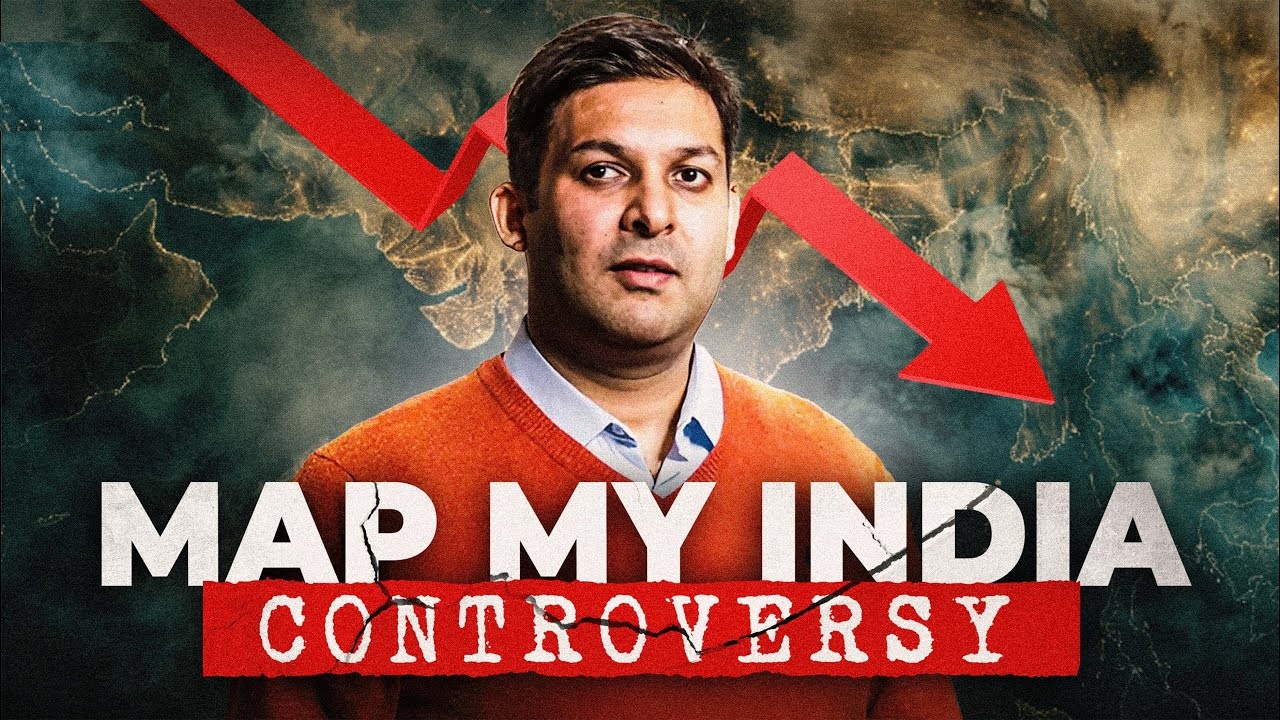
In recent developments, MapMyIndia, a well-known listed company specializing in mapping and navigation solutions, has raised eyebrows among its shareholders and investors. Allegations of mismanagement and questionable decisions by the company’s leadership have sparked debates within the investor community. Here’s a detailed analysis of the situation.
Understanding MapMyIndia’s Business Model
MapMyIndia operates primarily as a B2B business, offering mapping services to enterprise clients. Its key customer base includes automobile manufacturers, with the company holding a commanding 95% market share in GPS navigation in India. It claims to serve over 5,000 enterprise clients, making it a dominant player in the industry.
In an attempt to diversify its revenue streams, the company ventured into the B2C segment with the launch of a consumer app called mPLS. This app has garnered impressive traction with over 25 million downloads, showcasing significant potential for growth and data-driven revenue opportunities.
The Controversial Decision by CEO Rohan Verma
The controversy began when Rohan Verma, CEO of MapMyIndia, announced his departure from the company. Simultaneously, he revealed his decision to take control of the mPLS business—a major component of MapMyIndia’s B2C strategy. The terms of this transition raised serious concerns:
- 90% ownership of mPLS would transfer to Rohan Verma personally.
- MapMyIndia, the parent company, would retain only 10% ownership in mPLS.
This decision was met with skepticism, as investors argued that the development and investment in mPLS were funded by MapMyIndia. Critics likened the situation to an unfair transfer of assets, comparing it to raising a calf at a collective expense, only to have it taken away for personal gain.
Shareholders’ Questions and Management’s Responses
The controversy escalated during a conference call where shareholders voiced their frustrations. Key concerns included:
- Why wasn’t mPLS retained as a subsidiary?
Shareholders argued that mPLS, developed using the parent company’s resources, should remain a part of MapMyIndia. The management justified their decision by claiming that mPLS was causing financial strain due to its loss-making nature, which negatively impacted the company’s margins. - What about royalties for using MapMyIndia’s infrastructure?
Shareholders questioned the lack of a clear plan for royalties, given that mPLS heavily relies on MapMyIndia’s mapping infrastructure. The management assured that the matter would be discussed in future board meetings. - Why was only 10% ownership retained?
Investors felt that the stake in mPLS should have been higher, reflecting its value and growth potential. The management argued that limiting ownership to 10% would minimize losses on MapMyIndia’s balance sheet.
Financial Performance of MapMyIndia
Despite the controversy, MapMyIndia’s financials tell a different story:
- The company’s compound annual revenue growth over the past three years has been 36%, with profits growing at 37%.
- Its operating profit margins remain steady at approximately 40%, indicating strong performance in its core business.
These numbers contradict the narrative that mPLS’s losses significantly hampered the company’s profitability, leaving shareholders even more dissatisfied.
Lessons from Activist Investors
Globally, activist investors often step in to protect shareholder interests in similar situations. For instance, in the U.S., prominent activist investors have successfully restructured companies, ensuring fair treatment for all stakeholders. However, India lacks a robust ecosystem of activist investors, leaving minority shareholders vulnerable to such decisions.
Impact on MapMyIndia’s Stock Price
As news of the controversy spread, MapMyIndia’s stock price plummeted by over 12% within days. This sharp decline underscores the importance of trust and transparency in corporate governance. Investors are wary of any management team that prioritizes personal gains over shareholder value.
A Call for Regulatory Action
This situation highlights the need for stricter regulations and faster resolutions for corporate disputes in India. Shareholders have called on regulatory bodies like SEBI to investigate the matter thoroughly. If similar actions had taken place in countries like the U.S., regulatory authorities would likely have intervened, potentially canceling the deal.
Conclusion: Protecting Shareholder Interests
The MapMyIndia controversy serves as a stark reminder of the importance of corporate governance and ethical management. Shareholders must remain vigilant, conducting thorough due diligence before investing. As Warren Buffett famously said, “It takes 20 years to build a reputation and five minutes to ruin it.”
Investors and regulators alike must work towards fostering a fairer and more transparent market environment, ensuring that shareholder rights are protected and that companies are held accountable for their actions.