Khan Sir Arrested in Bihar, Social Media in Amplifying the Movement
The recent arrest of Khan Sir during the Bihar students’ protests has ignited a nationwide conversation about the state of education, the role of student activism, and systemic injustices. This incident highlights deeper issues concerning the treatment of youth voices and the importance of protecting freedom of speech in a democracy. Let’s explore the key aspects of this controversy and what it means for the future of education and activism in India.
The Bihar Students Protest: What Sparked the Outrage?
The protests in Bihar were fueled by grievances related to the education system, particularly concerning exam normalization processes and alleged discrepancies in evaluation. Students expressed frustration over what they perceived as an unfair system that compromises their futures. They demanded accountability, transparency, and fairness in examinations—issues that resonate with millions of students across the nation.
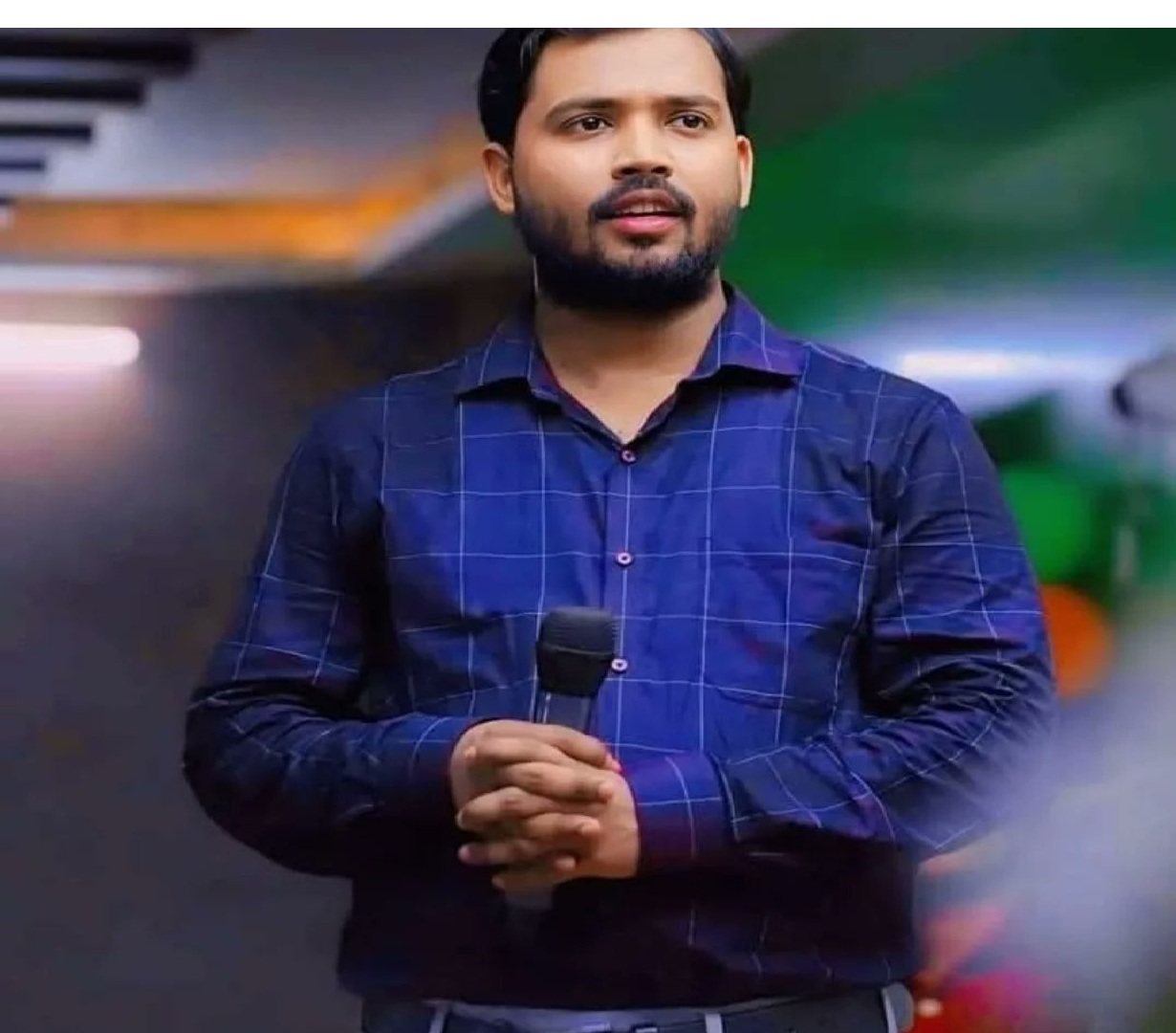
Khan Sir, a popular educator known for his straightforward approach and deep connection with students, became a prominent voice in this movement. His arrest during the protests raised critical questions about the suppression of dissent and the freedom to demand justice.
Who is Khan Sir? A Voice for Truth and Justice
Khan Sir has gained widespread recognition as a teacher who simplifies complex subjects and empowers students with knowledge. His popularity stems not just from his teaching methods but also from his ability to address pressing issues affecting students’ lives.
For many, Khan Sir represents a beacon of hope—a symbol of resistance against an unjust system. His arrest was seen by many as an attempt to silence this voice of truth, sparking even greater outrage among his supporters and the broader public.
The Role of Social Media in Amplifying the Movement
The protests and Khan Sir’s arrest quickly gained traction on social media platforms. Hashtags calling for his release and justice for students trended nationwide. Influential creators like Dhruv Rathee joined the conversation, shedding light on the plight of students and the systemic challenges they face.
A song released during this period further amplified the message, encapsulating the struggles of students and their fight for fairness. The lyrics highlighted the pain of dashed dreams and the resilience of youth striving for their rights.
Key Issues Raised by the Protests
1. Exam Normalization and Fairness
Students have long questioned the fairness of exam normalization processes, which they believe undermine their efforts and potential. The protests brought these concerns to the forefront, demanding a thorough review of these practices.
2. The Right to Protest
The arrest of Khan Sir and the alleged suppression of student protests raise concerns about the shrinking space for peaceful dissent in India. This incident underscores the importance of safeguarding democratic rights, especially for the younger generation.
3. The Future of Indian Youth
The protests posed a poignant question: Is the future of India’s youth reduced to mere numbers on a report card? This resonates deeply in a country where education is often considered the pathway to success but remains riddled with systemic challenges.
The Impact of Suppressing Voices
Silencing voices like Khan Sir’s does more than stifle dissent—it sends a chilling message to others who might speak out against injustice. When educators and activists are punished for advocating truth and fairness, it creates an environment of fear, hindering progress and reform.
History has shown that those who fight for truth and justice often inspire lasting change. The voices silenced today may echo louder tomorrow, shaping the narrative of resistance and resilience.
The Way Forward: Empowering India’s Youth
To address the grievances raised by students, systemic reforms are essential. Here are some actionable steps to consider:
- Transparency in Education: Authorities must ensure that examination processes are transparent, fair, and devoid of bias. This includes addressing concerns about exam normalization.
- Encouraging Dialogue: Open communication channels between students, educators, and policymakers can help resolve conflicts and create a more equitable system.
- Protecting Democratic Rights: It is crucial to uphold the right to peaceful protest and freedom of speech, ensuring that youth voices are not silenced.
Conclusion: A Movement for Justice
The arrest of Khan Sir during the Bihar protests has become a rallying point for students and activists nationwide. It has brought critical issues into focus, from flaws in the education system to the suppression of dissent.
India’s youth are not merely the leaders of tomorrow—they are the changemakers of today. Their voices, their dreams, and their fight for justice must be recognized and respected. The protests serve as a reminder that when truth is challenged, resilience emerges stronger, lighting the path toward a fairer, more inclusive future.