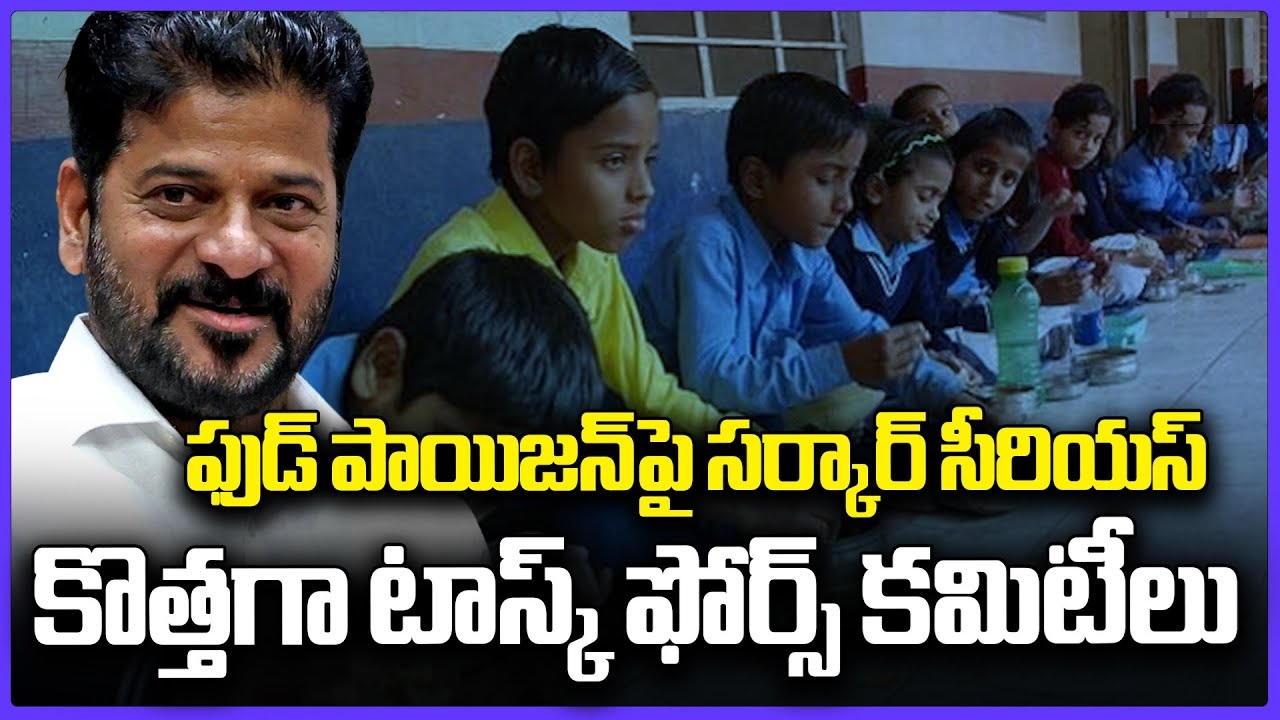
The Government of Telangana has taken a proactive approach to ensure food safety and hygiene in its educational and welfare institutions. This commitment encompasses schools, welfare hostels, residential schools, Anganwadi centers (AWCs), and hospitals managed by various departments, including Scheduled Caste Development, Tribal Welfare, Backward Classes Welfare, Minority Welfare, Women Development & Child Welfare, School Education, and Medical & Health Departments. These efforts aim to safeguard the physical and mental well-being of children and individuals who depend on these institutions.
Importance of Food Safety for Holistic Development
A nutritious diet is a cornerstone for the physical and mental growth of children. Recognizing this, the Telangana government provides balanced meals in its institutions. However, food preparation and distribution must adhere to strict hygiene standards to prevent food contamination and related illnesses.
To address these concerns, the government has introduced two key initiatives:
- Constitution of Institution-Level Food Safety Committees
- Formation of a Statewide Task Force for Food Safety
Institution-Level Food Safety Committees: Safeguarding Daily Meals
The Institution-Level Food Safety Committees aim to oversee food safety practices in schools, hostels, and AWCs. These committees consist of:
- Head of the Institution (e.g., Head Master, Principal, or Warden)
- Two Staff Members from the institution
Roles and Responsibilities
- Inspection of Provisions and Kitchen Hygiene
- Before every meal, the committee must inspect storage areas and kitchens to ensure the quality of ingredients and hygiene standards.
- Food Tasting for Quality Assurance
- The committee members are required to taste each prepared meal before serving it to children, ensuring it meets safety and quality standards.
- Daily Documentation
- The committee must document their activities through photographs, including kitchen inspections and meal tasting. These records will be maintained until a mobile app for real-time uploads is developed.
Oversight by Supervisory Officers
District Collectors are tasked with appointing Mandal, Divisional, and District-level officers to supervise these institutions. These officers must:
- Visit institutions before and after meal preparation
- Taste food to ensure quality
- Share photographic evidence with district authorities
By implementing these measures, the government aims to create a robust framework for food safety at the institutional level.
Task Force Committee: Addressing Food Safety Incidents
To strengthen its food safety mechanisms further, the government has constituted a Task Force Committee for all institutions statewide. This committee includes:
- Commissioner of Food Safety or Food Safety Officer
- Head of the Concerned Institution or Additional Director
- District-Level Officer of the Institution (e.g., District Social Welfare Officer, District Tribal Welfare Officer, or District Education Officer)
Key Responsibilities
- Incident Investigation
- The committee is responsible for investigating reported food safety issues, identifying their causes, and holding individuals or agencies accountable.
- Detailed Reporting
- Comprehensive reports must be submitted to the Chief Secretary, ensuring transparency and accountability in addressing food safety concerns.
This initiative underscores the government’s commitment to swift and effective responses to any lapses in food safety.
District Collectors’ Role: Ensuring Compliance
District Collectors are pivotal in implementing these food safety initiatives. They must:
- Form Institution-Level Food Safety Committees for all schools, hostels, and AWCs in their jurisdiction
- Ensure meals served are safe, nutritious, and prepared under hygienic conditions
Through regular monitoring and coordination, District Collectors ensure that the standards set by the government are upheld consistently across institutions.
Conclusion: A Commitment to Health and Safety
The Government of Telangana’s focus on food safety reflects its dedication to the welfare and holistic development of children and individuals in its care. By establishing Institution-Level Food Safety Committees and a Statewide Task Force, the government has created a robust framework to monitor and enhance food safety practices.
These initiatives not only safeguard the health of beneficiaries but also promote accountability and transparency in food preparation and distribution processes. With consistent implementation, these measures will set a benchmark for food safety in welfare and educational institutions across the state.