The High-Octane Election Campaigns in Maharashtra and Jharkhand: Slogans, Strategies, and Divisions
Elections in Maharashtra and Jharkhand have seen fierce competition, resonating election slogans, and political tussles. These elections were the best example of voter capturing alliances, as it was a matter of the political party’s reputation during the elections. Let us analyze in detail about the key highlights and the slogans along with the strategies used.
Election Timeline and Initial Controversies
In Maharashtra, the announcement by the election commission of polls to be held from October 30 spurred concerns. The opposition condemned the announcement which would begin the 35 days polling process as it would not allow ample time for proper campaigning, candidate selection and nomination filing. Nevertheless, political parties were able to adjust quickly.
Maharashtra Elections: State assembly polls are scheduled for November 20, and the voting will be in a single phase for its 288 assembly seats.
Jharkhand Elections: The assembly elections will be conducted in two phases November 13 for 43 of the 81 seats, and November 20 for the remaining 38.
Slogan Warfare: A Thrust in the Struggle for Popular Support
‘Batenge Toh Katenge’ – Debated as to Being a Unitary Appeal or as a Split Call?
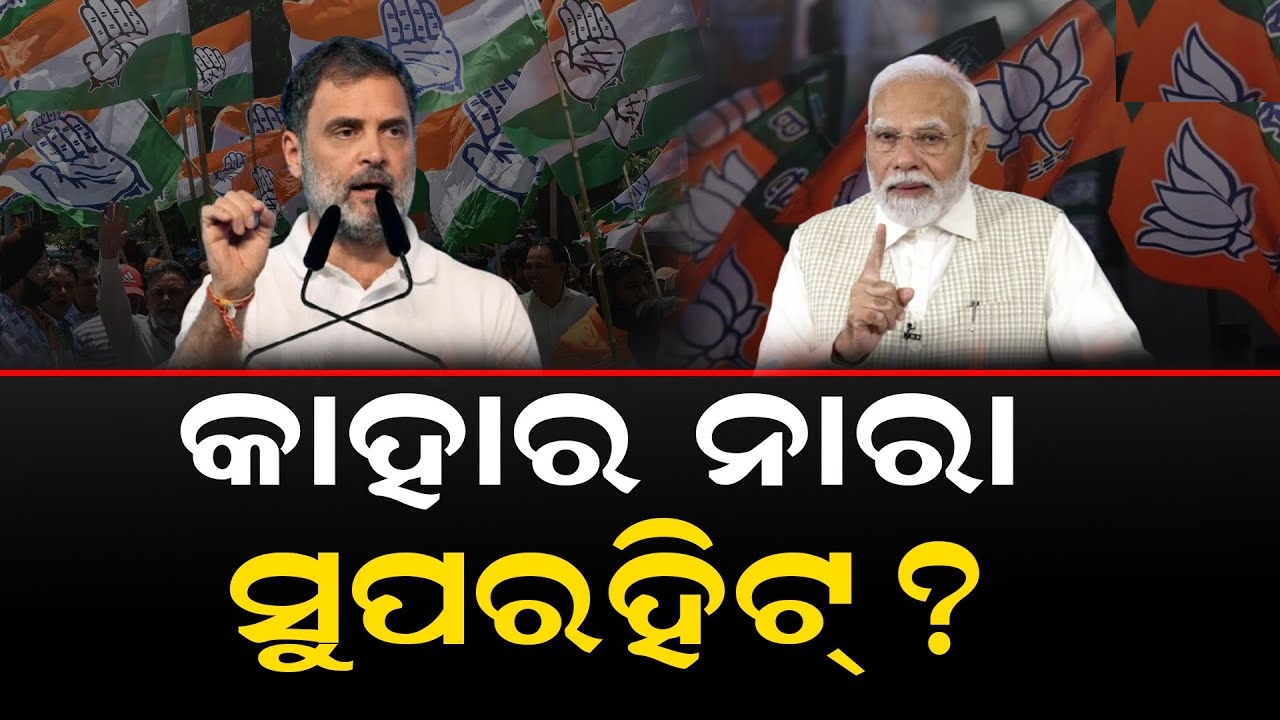
The slogan ‘Batenge toh katenge’ (Divided we will perish) went a long way to guide the sloganing that gushed forth in the campaigns. It was popularised by the Chief Minister of Uttar Pradesh Yogi Adiyanath, intending on propping up the Hindus in light of some danger. Adityanath brandished this slogan in a bid to cast aspersions against opponents, which included Congress, Shiv Sena (UBT), NCP and JMM.
However, the slogan even faced some criticism for being communal in nature. It was further claimed that the slogan created further division, with opposition members condemning BJP, while the leaders of BJP thrust it as a statement of union. The slogan put on display conflicts between leader supporters within the bracket of BJP led Mahayuti alliance, with prominent figures of their side such as Ajit Pawar and Eknath Shinde, denouncing such stories.
Prominent Defectors:
Ajit Pawar particularly deprecated the slogan by defining the slogan as ‘Maharashtra has a different political culture’.
Further, the phrase was also condemned by its own MPs like Ashok Chavan and Pankaja Munde due to its negative connotation.
‘Ek Hai Toh Safe Hai’- Modis Twisted metalanguage
Prime Minister Narendra Modi later introduced the phrase ‘Ek hai toh safe hai’ (we are safe if we are one) as an appropriate response to the sentiments raised by Adtiyanath. This slogan was cast against Congress with his accusations of being builds and fostering casteism by their demand for a national caste census, while the emphasis of the slogan was change and unity.
Strategic Focus: PM Modi used the slogan to call the attention of the underprivileged groups and asked them to unite and then turn their attention towards development.
Congress’ Response To This: ‘Daroge Toh Maroge’
Congress had their own slogan and they used to stress that ‘Daroge Toh Maroge’ (You’re going to perish if you show fear) when campaigning this instills bravery owing t the activist culture of Rahul Gandhi which promotes resistance against fear. Somehow it caught the attention of voters and empowered the more vulnerable however this was a rather more muted reaction since the BJP’s campaign was aggressive.
Regional Concerns: Region Specific Campaigning for the Electorate
Jharkhand: ‘Roti, Beti Aur Mati’
For Bharatiya Janata Party’s campaign in Jharkhand, “Roti, Beti Aur Mati” (food, women and land) was probably the slogan that would create a resonance with tribal communities in the state employment, land inflation and tribal issues were among aforementioned issues that this would relate to strongly. Engaging in and addressing such issues was a strategy used by BJP to reach out to the state’s tribal communities.
Maharashtra: Evolution of Global Narratives
Such ‘Sabka Saath, Sabka Vikas’ was also rather sarcastically made fun of by opposition leaders in accordance with the BJP’s stuggle to secure seats within the Mahayuti alliance in the state of Maharashtra. Also, the ‘Stay Alert’ campaign of the RSS boosted the narrative of the BJP’s on looking voters and voting as one.
As a result of political activities, tensions within an alliance have also come to light:
Concerns about the Mahayuti Alliance’s aspirations: Complaints about the slogan voiced by Adityanath came from other partners such as Ajit Pawar and Eknath Shinde of the BJP, suggesting that all was not well in the coalition.
Difficulties with Congress and JMM Coordination Cycles: The JMM, now an ally of Congress, came under criticism for their designed cohesive campaign strategy in Jharkhand where they fought against such an arrangement.
Voter Emotion and Reaction
The election campaign strategies adopted in Maharashtra and Jharkhand distract from the fact that campaign slogans are limited in size or length. Campaign unity was sought by political parties employing pugilistic rhetoric that ranged from social integration to employment related concerns. Still problems were compounded by the inbuilt divisions in the alliances and the stand alone approach to campaigns adviced by the opposition.
So what next: Looking into the future
While it is true that the general populations residing in the states of Maharashtra and Jharkhand are gearing up for the voting day, it will make for interesting watching as to what the strategies and these slogans will mean on polling day. Will the narrative of the BJP from the election campaigns be able to bring all the voters together or will the opposition s campaign of fearlessness and inclusion make more sense? One thing is quite clear, these elections will mean a lot in determining both the political environment and growth rate in the two particular states.