High Court Clears Path for Privatization of Chandigarh Power Services
Introduction
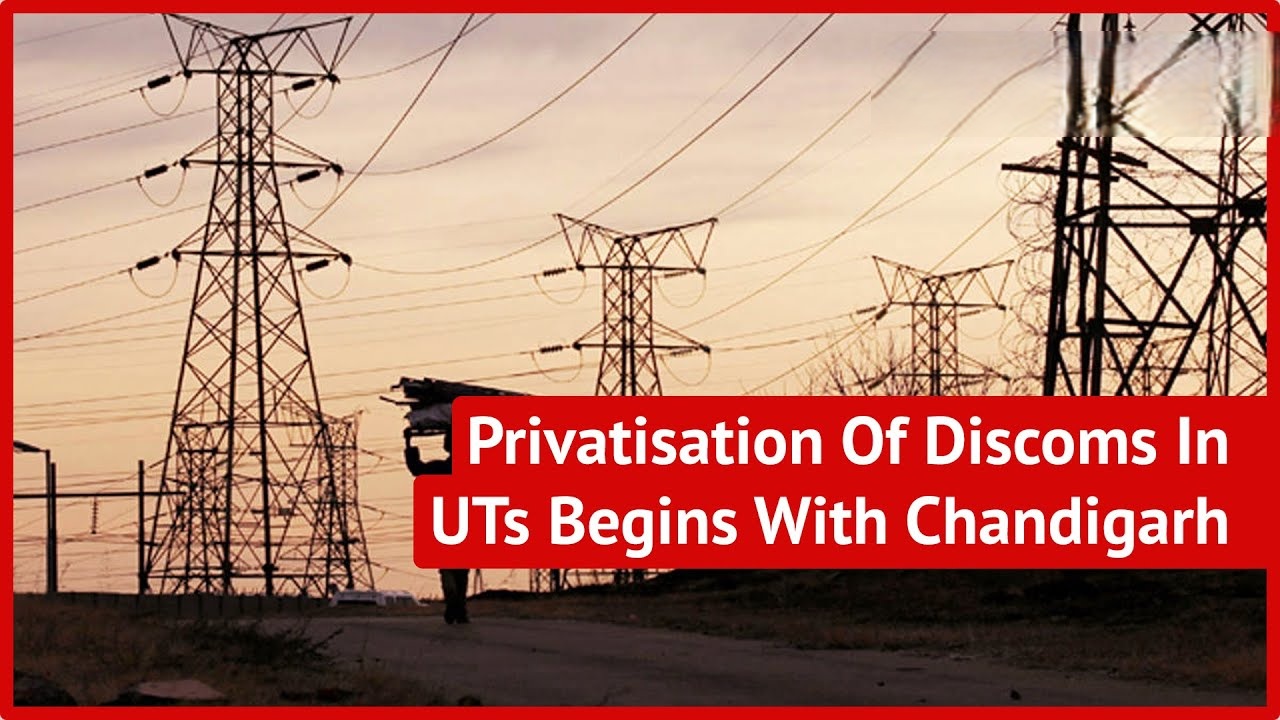
In a landmark decision, the Punjab and Haryana High Court dismissed a petition filed by Chandigarh’s power department employees, effectively opening the way for privatization of the region’s power services. This ruling, which addresses both legal and operational concerns, comes as a response to the Chandigarh administration’s ongoing efforts to transfer power distribution to private hands. The case reflects significant policy shifts in India’s energy sector, aligning with the government’s broader vision for privatization.
Background: The Push for Privatization
On May 12, 2020, the Central Government instructed the Union Territory (UT) of Chandigarh to initiate privatization of its power services. This directive was met with resistance, leading the UT Powermen Union to file a petition with the Punjab and Haryana High Court on December 1, 2020, halting the privatization process. The union’s primary concern was the government’s intent to privatize 100% of its stake in the power department despite Section 131 of the Electricity Act, 2003, which the union argued did not explicitly permit such a move. Additionally, the employees noted that the department was financially stable and profitable, questioning the rationale behind privatization.
Court’s Analysis and Ruling
Presiding over the case, Chief Justice Sheel Nagu and Justice Anil Kshetarpal addressed the union’s concerns. The court emphasized the limited scope for judicial review in policy decisions, noting that such matters generally fall under the jurisdiction of the executive branch. The court further cited Section 133 of the Electricity Act, 2003, which safeguards employee service conditions during privatization, thereby ensuring no adverse impact on their employment terms. Moreover, the Chandigarh administration clarified that the electricity department’s immovable assets were not included in the privatization plan, easing concerns about the wholesale transfer of assets.
Key Legal Representatives and Proceedings
The petitioners, represented by Senior Advocate Ashwani Kumar Chopra and Advocate Akshit Chaudhary, argued against the proposed privatization on grounds of profitability and legal propriety. Other notable legal professionals involved included Mr. Dhiraj Chawla and Mr. Akshit Dhiman for separate petitioners, as well as Mr. Satya Pal Jain, Additional Solicitor General of India, representing the Union of India. These advocates, alongside various senior and panel counsel, brought forth arguments representing both employee and governmental interests.
Implications of the Ruling
With the High Court’s dismissal of the petition, the path is now clear for Chandigarh’s power services to be privatized. This decision underscores the judiciary’s stance on deferring to government policy in areas of economic reform and privatization, highlighting the executive’s prerogative in matters of public sector transition. This move aligns with India’s ongoing efforts to reform public utilities by introducing private sector efficiencies and reducing the financial burden on state resources.
What’s Next for Chandigarh’s Power Sector?
The privatization of Chandigarh’s power services represents a significant step in India’s evolving energy landscape. By allowing private companies to manage distribution, the government anticipates improved service quality, operational efficiency, and potential reduction in power losses. However, the change also brings uncertainties for the workforce and consumers, who may face changes in tariffs, operational processes, and service protocols. The employees’ union has expressed concerns about the implications of privatization on job security, though Section 133 of the Electricity Act provides some assurance regarding their employment terms.
Conclusion
The Punjab and Haryana High Court’s decision marks a pivotal moment for Chandigarh’s power sector, affirming the government’s authority to pursue privatization despite employee opposition. This judgment not only reinforces policy-making discretion in economic reforms but also signals a shift towards a more privatized, efficient model for India’s utility sectors. As Chandigarh’s power services transition to private management, stakeholders will closely monitor the impact on service quality, workforce stability, and consumer satisfaction