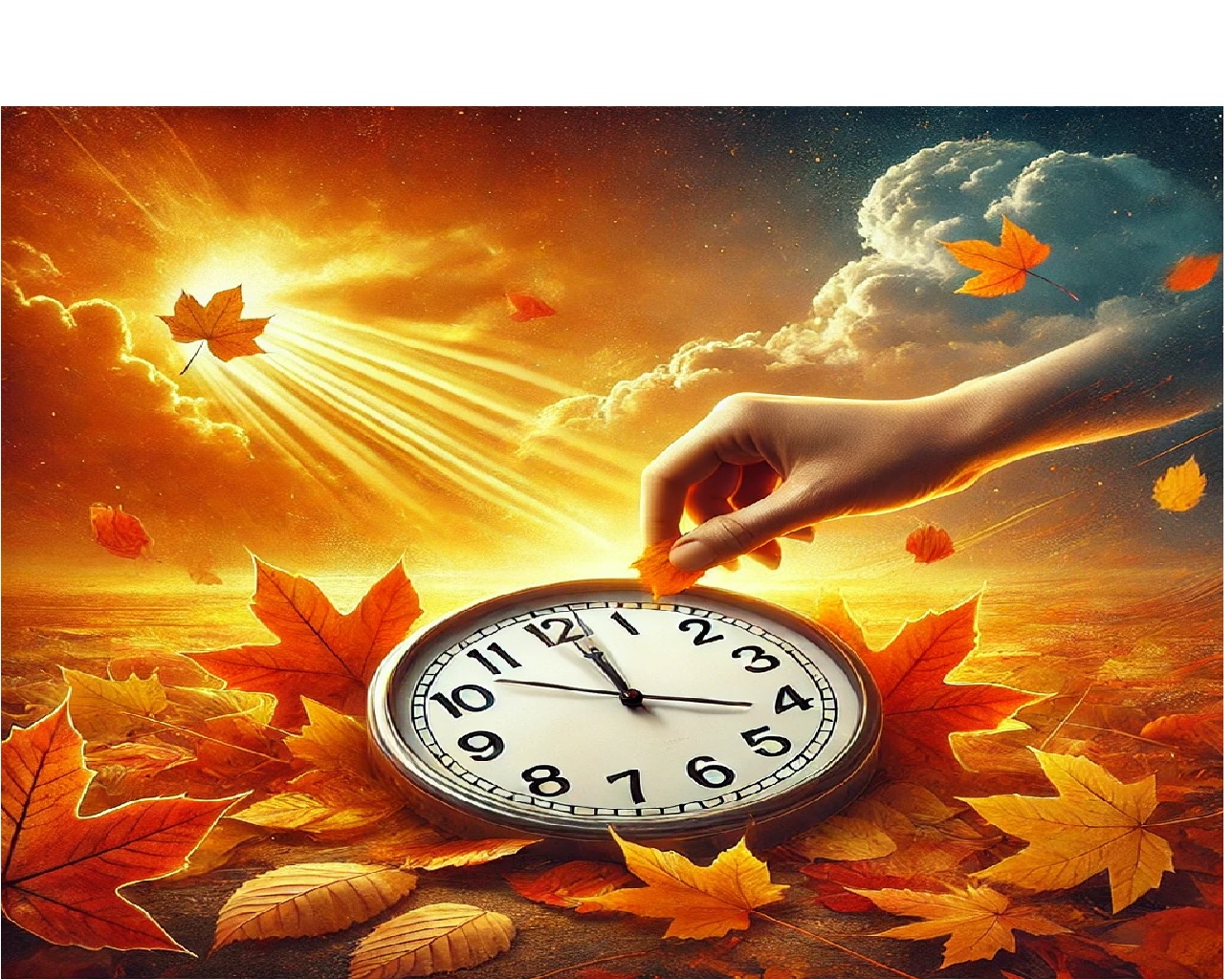
Daylight saving time (DST) is ending again, and it’s that time of year when clocks are turned back, giving us an extra hour of sleep. Whether you look forward to it or find it a hassle, here’s a detailed look at what daylight saving time is, why it exists, and what changes are coming as we “fall back” once more.
When Does Daylight Saving Time End?
Daylight saving time, which began on the second Sunday in March, is set to end at 2 a.m. on the first Sunday in November. This means clocks will be turned back by one hour, effectively moving from 1:59 a.m. back to 1:00 a.m. As a result, we gain an additional hour of sleep, but the downside is shorter daylight hours in the evenings. Across the U.S., people will notice that the sun begins to set earlier as we transition further into the colder months of fall and winter.
Why Do We Observe Daylight Saving Time?
The concept of daylight saving time was first introduced through the Standard Time Act of 1918. The primary objective was to maximize daylight during the summer months, delaying sunset by an extra hour to reduce energy consumption and make better use of natural light. Though controversial when first introduced, DST was briefly repealed in 1919 before being reinstated during World War II to conserve fuel. After the war, it became a state-level choice until the Uniform Time Act of 1966 standardized the observance across the country.
Since 2007, daylight saving time in the U.S. has started on the second Sunday in March and ended on the first Sunday in November. Each year, Americans adjust their clocks twice, except in regions that have chosen to opt out of this practice.
How Long Does Standard Time Last?
Standard time will last from November until March, bringing earlier sunsets and longer, darker evenings. When spring arrives, daylight saving time will resume, extending the daylight hours once more. For reference, in 2025, daylight saving time will start on March 9 and end on November 2.
Which States Don’t Observe Daylight Saving Time?
While most U.S. states adhere to daylight saving time, there are exceptions. Hawaii and the majority of Arizona do not observe DST, so residents in these states do not adjust their clocks twice a year. This is due to the minimal seasonal change in daylight they experience, which makes DST less beneficial.
Is the U.S. Alone in Observing Daylight Saving Time?
Daylight saving time is not unique to the United States. Many countries in the Northern Hemisphere, particularly in Europe and North America, observe a form of DST or “summer time.” However, different countries may follow distinct schedules. For example, in the Southern Hemisphere, where the seasons are opposite, DST aligns with their summer months, causing their start and end dates to differ from those in the Northern Hemisphere.
Globally, only about one-third of all countries currently observe daylight saving time. Although at one point, around half of the world’s nations participated in the practice, many have since chosen to discontinue it.
Health and Lifestyle Tips for Adjusting to the Time Change
The transition between daylight saving time and standard time may seem straightforward, but it can impact sleep schedules, productivity, and overall well-being. To help ease the adjustment, consider the following tips:
- Adjust Your Routine Gradually: Begin shifting your mealtimes and exercise routines slightly later each day in the days leading up to the time change. The American Academy of Sleep Medicine suggests that gradual adjustments of about 20 minutes can make the transition smoother.
- Seek Morning Sunlight: Exposure to natural light, especially in the morning, helps regulate your internal body clock. Aim to get some early morning sunlight the day after the time change and continue this practice throughout the week.
- Maintain a Consistent Sleep Schedule: Prioritize getting at least seven hours of sleep each night before and after the time shift. Consistency is key to minimizing disruptions in your circadian rhythm.
- Limit Screen Time Before Bed: Exposure to screens can hinder the production of melatonin, the hormone responsible for regulating sleep. Avoid using devices with bright screens for at least an hour before bedtime to help ensure a restful sleep.
Will Daylight Saving Time Ever Be Permanent?
The question of whether daylight saving time should be made permanent has sparked ongoing debate. In March 2022, the U.S. Senate passed the Sunshine Protection Act, which would make DST permanent across the nation, eliminating the need to adjust clocks twice a year. However, as of now, this legislation has yet to be enacted, and the practice of “falling back” and “springing forward” continues for the time being.
Final Thoughts
As daylight saving time ends and we set our clocks back, it’s a great opportunity to prepare for the colder, shorter days of winter. With the right adjustments, this transition can be a smooth one, helping you to make the most of the seasonal shift.