Karwa Chauth Katha Timeless Tale of Devotion and Love
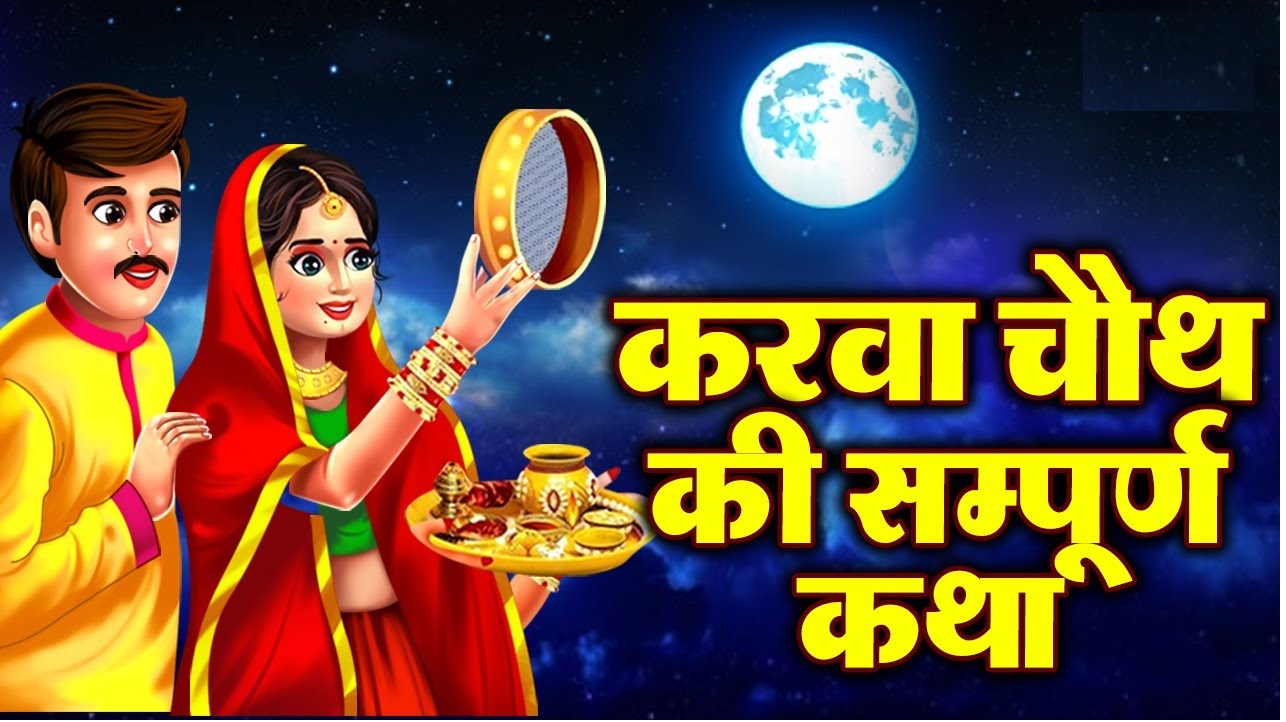
Karva Chauth is one of the most significant Hindu festivals celebrated by married women for the long life and well-being of their husbands. While fasting from sunrise to moonrise, women pray for their spouse’s longevity, health, and prosperity. The festival’s deep-rooted traditions are interwoven with mythological stories, one of which is the famous Karva Chauth Katha. This tale of sacrifice, devotion, and faith has been passed down through generations and is narrated as a reminder of the power of prayer and belief.
The Origin of Karva Chauth: A Sacred Vow
Many years ago, in a village, there lived a wealthy merchant with seven sons and a beloved sister named Karva. Karva was adored by her brothers, so much so that they ensured she ate before they did. The bond of love and protection they shared was evident in every act of care.
One year, when the auspicious day of Karva Chauth arrived, Karva, now married, returned to her parental home to observe the fast. This vrat (fast) was particularly important, as it was believed to bring blessings of longevity and happiness to her married life. As her brothers sat down to eat their evening meal, they noticed Karva, tired and weak from the fast, sitting silently. They urged her to join them, but she explained that she could not eat or drink until she had seen the moon and offered her prayers.
A Brother’s Trick and the Consequence
Feeling concerned for his sister’s discomfort, the youngest brother hatched a plan. He climbed a nearby hill and lit a lamp, placing it behind a tree to mimic the moon’s light. He hurried back and told his sister, “Sister, the moon has risen, you can offer your prayers and break your fast.”
Believing her brother, Karva rushed to perform the ritual. She gave her offerings and sat down to eat. But as she took her first bite, she felt uneasy. On the second bite, she found a strand of hair in her food, and on the third, she received devastating news from her in-laws. Her husband had suddenly fallen ill, and they urged her to return immediately.
A Journey of Trials and Prayers
Heartbroken, Karva realized the deception and rushed back to her in-laws’ house. When she arrived, she found her husband lying lifeless, and preparations were underway for his final rites. Overcome with grief, Karva refused to allow the funeral procession to proceed. She clung to her husband’s body and declared she would go wherever he was taken.
Despite their attempts to console her, the family eventually agreed to let her accompany the body to the cremation grounds. At the site, Karva’s devotion became evident to all, and she stayed by her husband’s side, praying day and night, refusing to give up on him. She performed her fast every month, hoping for a miracle.
The Divine Intervention
Months passed, and Karva continued her vrat with unwavering faith. During her prayers, the goddess of Karva Chauth, known as Chauth Mata, appeared before her. The goddess spoke, “Karva, you have fasted faithfully, but your husband’s fate lies with the elder goddess of Kartik Chauth. Only she can return your husband’s life.”
With this revelation, Karva intensified her prayers. When the Kartik Chauth day arrived, she prepared the sixteen adornments (solah shringar) and offered her most heartfelt prayers to the goddess. She begged, “Mata, please return my husband to me. I will not release your feet until my wish is granted.”
Moved by Karva’s devotion and determination, the Kartik goddess took pity on her. She instructed Karva to prepare offerings, and as the goddess sprinkled sacred water on her husband’s body, he miraculously returned to life.
A Reward for Faith and Devotion
With her husband revived, Karva’s life transformed. Her humble home became a grand palace, a symbol of the divine blessing she had received. Her unwavering faith had conquered even death, and her devotion had been rewarded in the most extraordinary way.
When Karva’s young sister-in-law arrived with food, she was astonished to see the palace in place of the old hut. Karva joyfully told her, “Look, your brother is alive! Go tell mother to come with music and celebration to bring us home.”
The Celebration of Karva Chauth Today
The legend of Karva Chauth remains an integral part of the festival, embodying the ideals of love, sacrifice, and trust in divine powers. Today, married women across India fast for the well-being of their husbands, just as Karva did. The day is marked by traditional rituals, including solah shringar, the offering of prayers to Chauth Mata, and waiting for the moonrise to break the fast.
The tale reminds us that faith, when combined with sincere efforts and selfless love, can bring about miraculous results. Whether through ancient myths or modern-day celebrations, Karva Chauth continues to strengthen the sacred bond of marriage, with its roots firmly embedded in stories of devotion like that of Karva.
Conclusion: The Legacy of Karva Chauth
The story of Karva Chauth is more than a myth; it’s a testament to the power of faith, the strength of devotion, and the bond of marriage. Every year, millions of women celebrate this festival, not only as a religious duty but as an affirmation of the love they share with their husbands. As the story of Karva has shown, no challenge is too great when faced with unwavering belief and love.