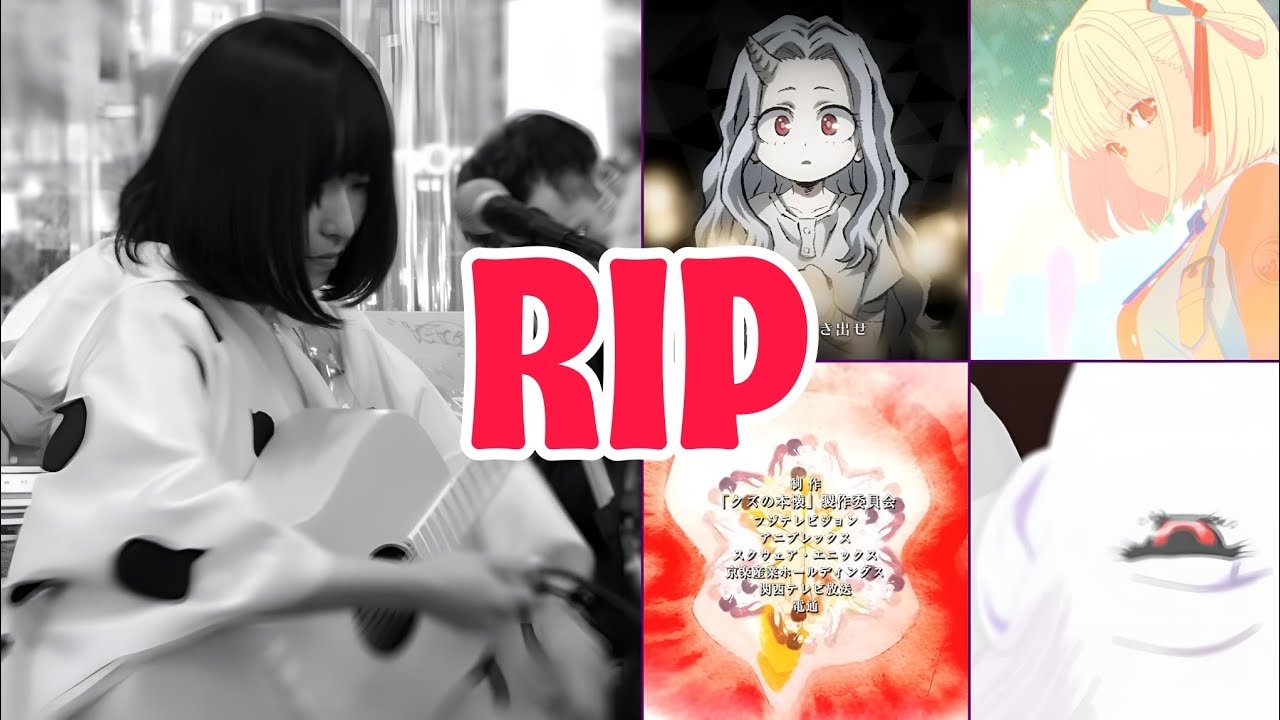
The music industry has lost a vibrant and talented artist with the tragic passing of Japanese singer-songwriter Sayuri, who died at the young age of 28. Sayuri’s death was officially announced on her X (formerly Twitter) account on September 20, leaving fans and the music world mourning. Her family and close friends held a private funeral to commemorate her life and contributions to the arts.
Sayuri’s Struggle with Chronic Illness
Sayuri’s battle with illness had been known to her followers and those close to her. Her husband, musician Amaarashi, shared that she had been struggling with a chronic illness for an extended period. Earlier in the year, on July 25, Sayuri had made a public announcement about her health, explaining that she would be taking a break from her music career due to functional dysphonia. This condition causes a person’s voice to sound strained or abnormal without any clear neurological or physiological cause.
Functional Dysphonia and Sayuri’s Hiatus
Functional dysphonia affected Sayuri’s ability to perform and connect with her audience, which frustrated her deeply. Despite seeking treatment from a speech therapist and vocal coach, she expressed her frustration at not being able to fully express herself through her music. This hiatus marked a period of personal and artistic struggle for Sayuri, who had always been passionate about communicating through her voice and lyrics.
The Rise of Sayuri: From Local Talent to National Stardom
Sayuri began her musical journey as a teenager in her hometown of Fukuoka, Japan. She performed as part of the musical duo LONGTAL, playing at local venues and busking in the streets. Her talent was evident from an early age, and it wasn’t long before she gained attention beyond her local scene. At the age of 19, she made her major solo debut with the single “Mikazuki” in August 2016, which served as the ending theme for the anime Rampo Kitan: Game of Laplace.
Sayuri’s Contribution to Anime and Music
Sayuri’s connection to the world of anime helped her build a dedicated fanbase. Her unique voice and heartfelt lyrics resonated with listeners, and she quickly became known for her contributions to various anime theme songs. Some of her most popular works include:
- “Hana no Tō” (Tower of Flower) from Lycoris Recoil (2022)
- “Heikōsen” (Parallel Lines) from Scum’s Wish (2017)
- “Sore wa Chiisa na Hikari no yō na” (That Was Like a Small Light) from ERASED (2016)
- “Kōkai no Uta” (Song of Regret) from My Hero Academia Season 4 (2019)
These tracks not only showcased her musical abilities but also cemented her place in the anime music scene, earning her a loyal following both in Japan and internationally.
Legacy of Sayuri’s Music
Sayuri’s music was known for its emotional depth, often exploring themes of sorrow, longing, and hope. Her ability to convey raw emotion through her voice touched the hearts of many listeners, making her one of the standout talents in her genre. Even though her career was tragically cut short, her songs will continue to resonate with fans for years to come.
Her contributions to the anime industry, in particular, have left an indelible mark. The anime community has mourned her passing, with many tributes and messages of support pouring in from fans around the world. The impact of her songs on the shows she contributed to will forever be a part of her lasting legacy.
A Tragic Loss to the Music World
Sayuri’s death is a heartbreaking reminder of the struggles that even the brightest stars can face behind the scenes. Her journey, from a young musician performing on the streets of Fukuoka to becoming a beloved figure in the anime music world, is a testament to her talent and determination. Despite her illness, Sayuri continued to create and inspire through her music, leaving a lasting imprint on the industry.
Her fans, friends, and family will remember her not only for her voice but for the passion and heart she poured into every song. As her music continues to be celebrated, Sayuri’s legacy as a singer-songwriter will live on, inspiring future generations of artists and musicians.
Conclusion: Remembering Sayuri’s Legacy
The loss of Sayuri at the age of 28 is a profound tragedy for both her fans and the music world at large. Her unique voice, combined with her ability to convey deep emotions through song, made her a standout artist. Though her career was cut short, her influence on the anime and music industries will endure. As we remember her contributions and reflect on her life, it’s clear that Sayuri’s impact will continue to be felt for many years to come.