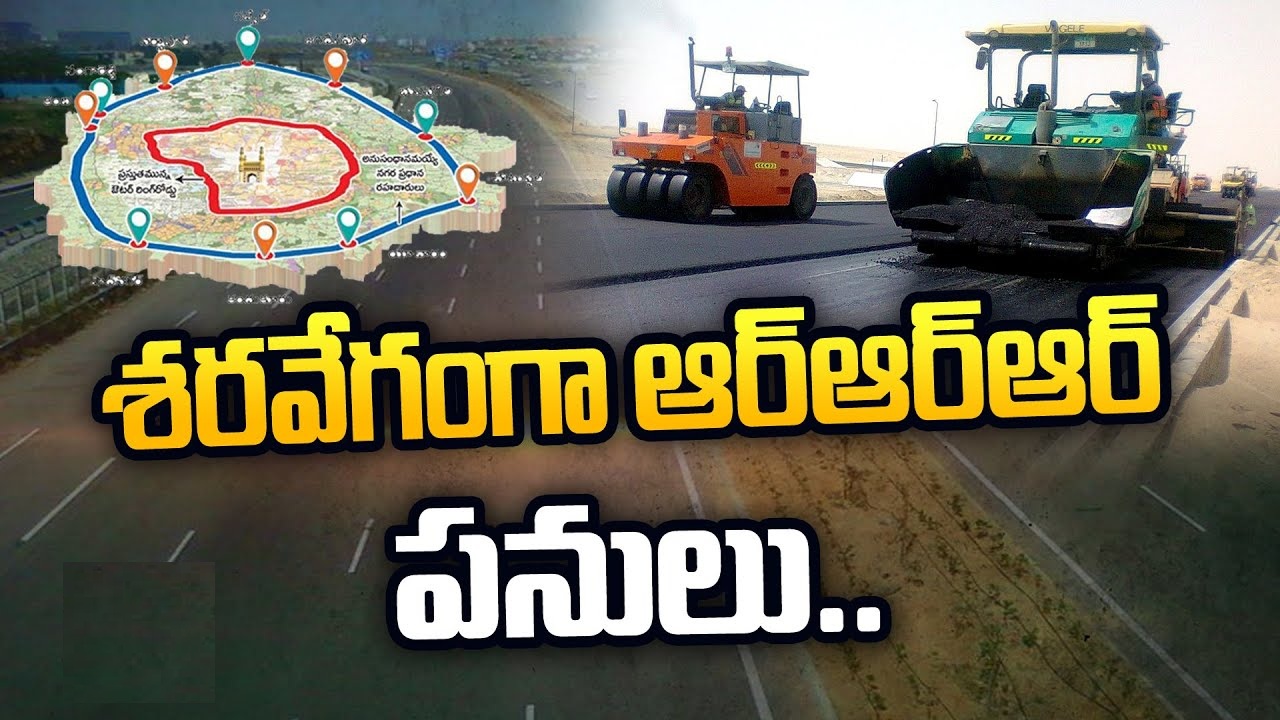
Environmentalists and public policy experts are raising alarms over the proposed Regional Ring Road (RRR) project, urging the State government to reconsider its plans. They argue that the project threatens fertile agricultural lands and densely populated villages, offering minimal benefits to the local population.
Environmental Concerns Over RRR Alignment
The alignment of the RRR has consistently been influenced by real estate interests, often at the expense of marginalized communities. Public Policy Expert Donthi Narasimha Reddy highlighted these concerns in a letter to Chief Secretary Santhi Kumari on Friday. Reddy emphasized that the project would result in the loss of valuable agricultural land, which is crucial for local farmers and communities.
In his correspondence, Reddy noted that he had previously communicated these concerns to Prime Minister Narendra Modi on August 30, 2022, and to the Ministry of Environment, Forest, and Climate Change on November 22, 2022. His persistent efforts underscore the gravity of the issue.
Historical Context: ORR and RRR
Both the RRR and the Outer Ring Road (ORR) fall within the Hyderabad Metropolitan Development Area (HMDA). The ORR has undergone several alignment changes in the past, which have not only increased the financial burden on the public but have also had adverse effects on the environment and poorer communities. Reddy pointed out that the design of the RRR project mirrors these issues, lacking inclusivity and potentially hindering the economic growth of local residents.
Lack of Transparency and Community Involvement
There is a significant lack of transparency regarding the RRR project. The Telangana government has not yet clarified whether it plans to acquire additional land around the proposed RRR from the transport corridor. Reddy argued that alignment maps should be shared with affected panchayats, whether they are directly or indirectly impacted by the project. This would ensure that local communities are adequately informed and can voice their concerns.
Call for Comprehensive Environmental Impact Assessment
Reddy demanded that all activities related to the RRR should be halted until a thorough environmental impact assessment is conducted. This assessment should include a detailed evaluation of the ORR’s benefits and impacts, a comprehensive transport plan for the state, and a review and finalization of the HMDA Master Plan. Only through such meticulous planning and evaluation can the true implications of the RRR project be understood and addressed.
Conclusion
The opposition to the RRR project by environmentalists and public policy experts highlights the need for careful consideration of the environmental and social impacts of large infrastructure projects. Transparent planning, community involvement, and comprehensive assessments are crucial to ensuring that such projects benefit the broader population without causing undue harm to the environment and marginalized communities.