Hyderabad Drug Scandal Omega Hospital CEO Namratha Fall from Grace
The bustling city of Hyderabad, known for its thriving tech industry and rich cultural heritage, was recently rocked by a shocking scandal that Hyderabad Drug Scandal Omega Hospital CEO Namratha Fall from Grace. A high-profile executive, entrusted with leading one of the city’s prominent healthcare institutions, was caught in a web of illicit activities, exposing a darker underbelly of the metropolis. This article delves into the details of the Hyderabad drug scandal, exploring its implications, the key players involved, and the broader societal impact. With exclusive insights and a comprehensive analysis, we aim to provide a definitive resource on this unfolding story.
The Shocking Revelation: A CEO’s Involvement in Drug Procurement
In a stunning turn of events, the CEO of a renowned Hyderabad-based hospital was implicated in a high-stakes drug trafficking operation. The executive, identified as Chigurupati Namrata, allegedly orchestrated the purchase of 53 grams of cocaine, a transaction that unraveled under the vigilant eyes of local law enforcement. This incident not only tarnished the reputation of the individual but also raised serious questions about the integrity of leadership within Hyderabad’s healthcare sector.
Namrata, a figure previously celebrated for her contributions to healthcare management, reportedly initiated the deal by transferring Rs 5 lakhs online to an individual named Vansh Dhakkar. This digital transaction, intended to secure the narcotics, marked the beginning of a chain of events that would lead to her downfall. The ease with which such a substantial sum was moved highlights the increasing sophistication of illegal transactions in the digital age, a topic we will explore further in this article.
The Sting Operation: How Police Uncovered the Plot
The Rayadurgam police, acting on a credible tip-off, executed a meticulously planned operation to intercept the drug handover. Their efforts culminated in the apprehension of both Namrata and a delivery agent, Balakrishna, also known as Rampyar Ram, who was working under Dhakkar’s directives. The sting operation, conducted in Hyderabad’s bustling Raidurgam area, showcased the police’s commitment to curbing the city’s growing drug problem.
During the raid, authorities seized 53 grams of cocaine, Rs 10,000 in cash, and two mobile phones from the suspects. These items provided critical evidence, shedding light on the scale of the operation and the methods used to facilitate it. The confiscated mobile phones, in particular, are under scrutiny as investigators seek to uncover digital footprints that could lead to a broader drug network operating within Hyderabad.
A Confession That Shocked the City
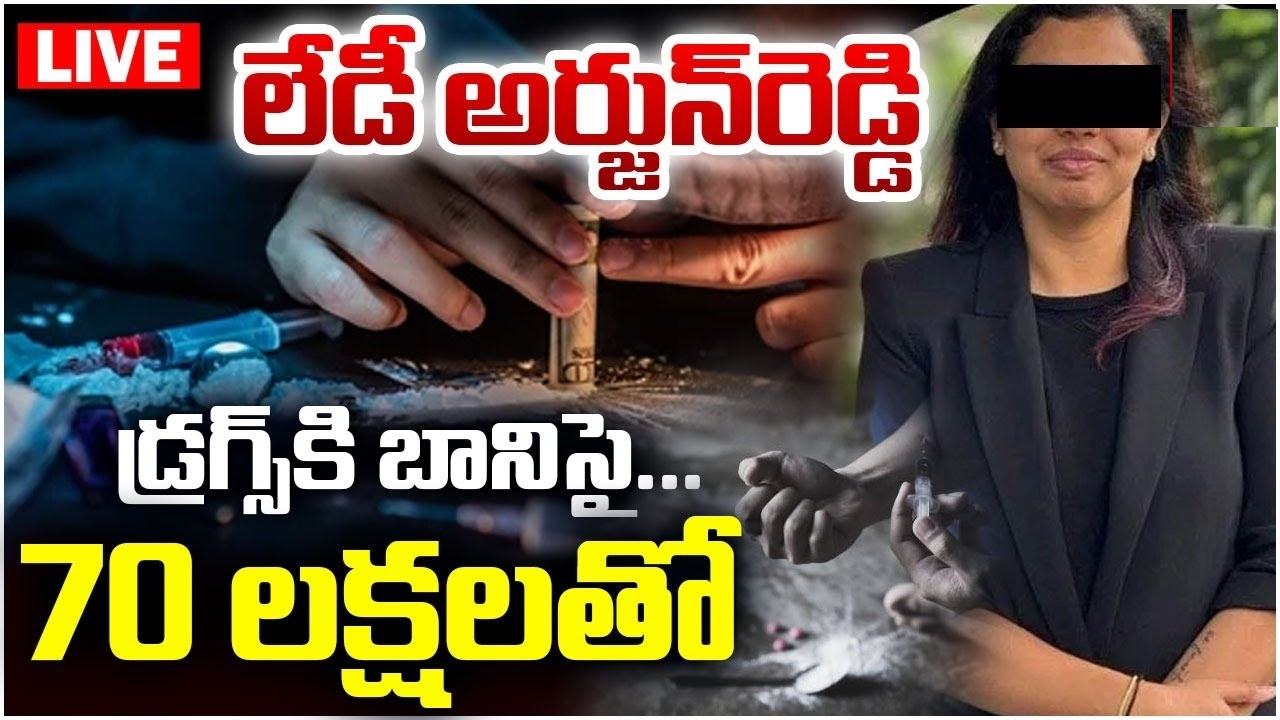
Under interrogation, Namrata reportedly made a startling admission: she had spent nearly Rs 70 lakh on drugs over an extended period. This revelation not only confirmed her deep involvement in the illicit trade but also raised alarming questions about the source of such substantial funds. As the head of a healthcare institution, her access to significant financial resources was undeniable, but the misuse of these funds for personal indulgence has sparked outrage among stakeholders and the public alike.
Namrata’s confession has also intensified the police’s investigation, with authorities now probing potential connections to larger drug syndicates in Hyderabad and beyond. The scale of her expenditure suggests a well-established network, capable of supplying high-value narcotics to affluent clients. This development has put Hyderabad’s law enforcement on high alert, as they work to dismantle these clandestine operations.
The Key Players in the Hyderabad Drug Bust
Chigurupati Namrata: The Fallen Executive
At the center of this scandal is Chigurupati Namrata, a once-respected CEO whose professional achievements were overshadowed by her illicit activities. Her role as a healthcare leader made her a trusted figure in Hyderabad’s corporate landscape, but her involvement in drug procurement has irreparably damaged her reputation. The public’s shock stems not only from her actions but also from the betrayal of trust by someone in such a pivotal position.
Namrata’s case underscores a broader issue: the vulnerability of high-profile individuals to the temptations of wealth and power. Her ability to fund such an expensive habit raises questions about oversight within her organization and the mechanisms in place to monitor financial irregularities. As the investigation progresses, more details about her motivations and the extent of her involvement are expected to emerge.
Vansh Dhakkar: The Alleged Supplier
Vansh Dhakkar, the individual who allegedly received Namrata’s Rs 5 lakh payment, is a key figure in the drug trafficking chain. While little is known about Dhakkar’s background, his role as a supplier highlights the organized nature of the drug trade in Hyderabad. The fact that he operated through intermediaries like Balakrishna suggests a layered network designed to minimize direct exposure.
Dhakkar’s involvement points to a critical challenge for law enforcement: tracking and apprehending those at the top of the drug supply chain. His ability to facilitate such a high-value transaction indicates access to significant resources and connections, making him a prime target for investigators seeking to disrupt Hyderabad’s drug ecosystem.
Balakrishna: The Delivery Agent
Balakrishna, alias Rampyar Ram, served as the delivery agent who physically transported the cocaine to Hyderabad. His arrest during the handover was a pivotal moment in the operation, providing police with a direct link to the supply chain. As a low-level operative, Balakrishna’s role was crucial yet precarious, exposing him to the risks of apprehension.
His involvement highlights the reliance of drug networks on intermediaries who often bear the brunt of legal consequences. Balakrishna’s interrogation is likely to yield valuable insights into the logistics of drug delivery in Hyderabad, including the routes and methods used to evade detection.
Legal Ramifications: Charges Under the NDPS Act
The Raidurgam police have booked Namrata and her associates under the Narcotic Drugs and Psychotropic Substances (NDPS) Act of 1985, a stringent law designed to combat drug trafficking and abuse in India. The charges reflect the seriousness of the offense, with potential penalties including lengthy imprisonment and substantial fines.
The NDPS Act empowers authorities to seize assets linked to drug-related activities, a provision that could have significant implications for Namrata given her reported expenditure. The legal proceedings will also scrutinize the financial transactions involved, potentially uncovering additional evidence of money laundering or other financial crimes.
As the case moves through the judicial system, it will serve as a litmus test for India’s commitment to tackling drug-related offenses, particularly those involving high-profile individuals. The outcome will likely influence public perception of the country’s legal framework and its ability to hold influential figures accountable.
The Broader Implications: Hyderabad’s Drug Problem
The Hyderabad drug scandal is not an isolated incident but part of a larger pattern of drug-related issues plaguing the city. In recent years, Hyderabad has emerged as a hub for both the consumption and distribution of narcotics, driven by its affluent population and strategic location. The involvement of a corporate leader like Namrata underscores the pervasive nature of the problem, which transcends socioeconomic boundaries.
The Role of Affluence in Fueling Drug Demand
Hyderabad’s economic boom, fueled by its IT and pharmaceutical industries, has created a class of wealthy individuals with disposable income to spend on luxury goods and experiences. Unfortunately, this affluence has also contributed to a growing demand for recreational drugs, particularly among the city’s elite. Namrata’s case exemplifies how financial resources can enable access to high-value narcotics, perpetuating a cycle of addiction and crime.
Addressing this demand requires a multifaceted approach, including education, rehabilitation, and stricter enforcement. By targeting both the supply and demand sides of the equation, authorities can make meaningful progress in curbing Hyderabad’s drug epidemic.
The Digital Dimension: Online Drug Transactions
The use of online payments in Namrata’s transaction highlights the evolving nature of the drug trade. Digital platforms, while offering convenience and anonymity, have become a double-edged sword, enabling illegal activities to flourish under the radar. The ease with which Rs 5 lakh was transferred to Dhakkar underscores the need for stronger oversight of digital financial systems.
Law enforcement agencies must adapt to this digital shift by investing in cybercrime units capable of tracking and intercepting illicit transactions. Collaboration with financial institutions and technology companies will be essential to close the loopholes exploited by drug traffickers.
The Healthcare Sector Under Scrutiny
Namrata’s position as a healthcare CEO adds a troubling dimension to the scandal, raising concerns about the integrity of the industry. Hospitals and healthcare institutions are entrusted with public welfare, and any breach of this trust can have far-reaching consequences. The scandal has prompted calls for stricter background checks and financial audits for senior executives in the sector.
Moreover, the healthcare industry’s access to controlled substances, such as prescription drugs, makes it a potential target for exploitation. Strengthening regulatory frameworks and implementing robust oversight mechanisms will be critical to prevent similar incidents in the future.
The Path Forward: Addressing Hyderabad’s Drug Crisis
The Hyderabad drug scandal serves as a wake-up call for policymakers, law enforcement, and society at large. To address the root causes of the city’s drug problem, a comprehensive strategy is needed, encompassing prevention, enforcement, and rehabilitation.
Strengthening Law Enforcement
The success of the Rayadurgam police’s sting operation demonstrates the importance of proactive policing in combating drug trafficking. Expanding resources for specialized units, such as narcotics task forces, will enhance the city’s ability to disrupt drug networks. Training programs focused on digital forensics and financial investigations will also equip officers to tackle modern drug-related crimes.
Promoting Public Awareness
Educating the public about the dangers of drug abuse is a critical component of prevention. Campaigns targeting schools, colleges, and workplaces can raise awareness about the risks of recreational drug use, particularly among young professionals and affluent communities. By fostering a culture of accountability and responsibility, Hyderabad can reduce the social stigma associated with seeking help for addiction.
Investing in Rehabilitation
For individuals like Namrata, who have succumbed to addiction, access to quality rehabilitation services is essential. Hyderabad’s healthcare system must prioritize the development of specialized treatment centers that offer comprehensive care, including counseling, therapy, and support for reintegration into society. Addressing addiction as a public health issue, rather than solely a criminal one, will yield long-term benefits.
Corporate Accountability
The scandal has highlighted the need for greater accountability within Hyderabad’s corporate sector. Organizations must implement robust governance structures to monitor the conduct of their leaders and prevent the misuse of resources. Regular audits, whistleblower protections, and ethical training programs can help safeguard institutions from internal threats.
Conclusion: A City at a Crossroads
The Hyderabad drug scandal, with its high-profile protagonist and shocking revelations, has exposed the complexities of the city’s drug problem. Chigurupati Namrata’s fall from grace serves as a cautionary tale, reminding us of the fragility of trust and the consequences of unchecked power. As Hyderabad grapples with this crisis, it stands at a crossroads, with an opportunity to strengthen its institutions, protect its citizens, and reclaim its reputation as a city of progress and integrity.
By addressing the systemic issues that enabled this scandal, from lax oversight to the allure of affluence, Hyderabad can chart a path toward a safer, more resilient future. The journey will require collaboration, determination, and a collective commitment to change, but the stakes could not be higher. For now, the city watches as the investigation unfolds, hoping for justice and a renewed sense of purpose in the fight against drugs.