Understanding the Surge in Voter Turnout: Hyderabad Lok Sabha Poll Analysis
Exploring the Dynamics Behind Hyderabad’s Historic Voter Turnout
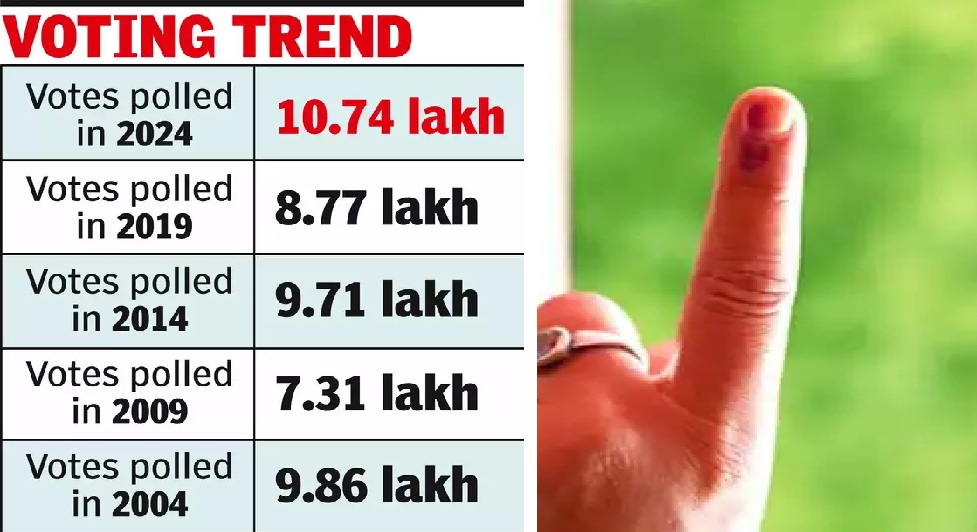
In a remarkable turn of events, the Hyderabad Lok Sabha constituency witnessed a surge in voter turnout, surpassing 10 lakh votes for the first time in two decades. This unprecedented rise has sparked a wave of speculation among political circles, particularly concerning the electoral prospects of key contenders such as the AIMIM and BJP. Let’s delve deeper into the factors driving this surge and its potential implications.
Historical Context: Breaking the 20-Year Barrier
The significance of this surge cannot be overstated, especially when considering the historical trends in Hyderabad’s electoral landscape. With voter turnout crossing the 10 lakh mark, it marks a departure from the norm observed over the past two decades. This shift underscores a notable shift in voter engagement and political participation within the constituency.
Comparative Analysis: A Closer Look at the Numbers
Comparing the voter turnout in the recent May 13 election with the 2019 parliamentary poll reveals a substantial increase of nearly two lakh votes. This surge highlights a significant uptick in civic engagement and underscores the electorate’s growing awareness and interest in the democratic process.
Political Ramifications: Impact on Key Players
The surge in voter turnout has left political parties, particularly the AIMIM and BJP, recalibrating their strategies and recalculating their electoral arithmetic. With the dynamics of the electoral landscape undergoing a transformative shift, both parties find themselves grappling with the challenge of interpreting and responding to this unprecedented surge in voter participation.
The recent Hyderabad Lok Sabha polls saw an unprecedented surge in voter turnout, with over 2 lakh more votes cast compared to previous elections. This significant increase underscores a growing political engagement among the city’s residents, reflecting broader trends in democratic participation across India. In this article, we delve into the factors contributing to this voter surge, analyze its implications, and explore the future of political dynamics in Hyderabad.
Historical Context
Evolution of Hyderabad’s Political Landscape
Hyderabad, a historically significant city, has seen its political landscape evolve dramatically over the decades. From being a princely state under Nizam’s rule to becoming a bustling metropolis with diverse political influences, the city’s political journey is marked by significant events and transformations.
Key Political Milestones
- 1948 Integration into India: The accession of Hyderabad into the Indian Union marked a turning point, reshaping its political and social fabric.
- Formation of Andhra Pradesh: The reorganization of states based on linguistic lines further altered political alignments.
- Emergence of Regional Parties: The rise of regional parties like TRS (Telangana Rashtra Samithi) highlighted local issues and demands for statehood.
Recent Trends in Voter Turnout
Comparative Analysis of Voter Turnout
The recent polls recorded over 2 lakh additional votes compared to previous elections. This trend is not isolated but part of a broader increase in voter participation seen across various elections in India.
Factors Influencing Increased Turnout
Several factors have contributed to the rise in voter turnout in Hyderabad:
- Increased Political Awareness: Growing awareness among citizens about the importance of voting.
- Enhanced Voter Registration Drives: Effective campaigns by the Election Commission and NGOs.
- Technological Advancements: Use of social media and digital platforms for voter education and mobilization.
Demographic Insights
Age-wise Voter Participation
Young voters, particularly those between 18-25 years, have shown a remarkable increase in participation, driven by social media campaigns and political activism.
Gender-wise Voter Participation
Female voter turnout has also seen a significant rise, attributed to focused efforts on women’s empowerment and political inclusivity.
Urban vs. Rural Turnout
Urban areas of Hyderabad have reported higher voter turnout compared to rural outskirts, reflecting the city’s demographic and socio-economic diversity.
Campaign Strategies and Their Impact
Role of Social Media
Social media platforms played a crucial role in mobilizing voters, with political parties leveraging these tools for targeted campaigns.
Ground Campaigns and Outreach
Traditional ground campaigns, including door-to-door canvassing and public rallies, remained vital in reaching out to a broader electorate.
Political Alliances and Their Influence
Strategic alliances between parties influenced voter behavior, with combined forces working towards a common electoral goal.
Voter Behavior and Preferences
Shift in Voting Patterns
Recent elections witnessed a shift in voting patterns, with a growing preference for candidates focusing on local issues and governance over party loyalty.
In the Hyderabad Lok Sabha elections, there has been a significant increase of 200,000 votes. This surge in voter turnout has had a notable impact on the political dynamics of the area.
Frequently Asked Questions
What factors contributed to the surge in voter turnout?
The surge in voter turnout can be attributed to several factors, including heightened political awareness, mobilization efforts by various stakeholders, and the emergence of key issues that resonate with the electorate.
How does this historic voter turnout impact the electoral landscape of Hyderabad?
The surge in voter turnout has the potential to reshape the electoral dynamics of Hyderabad, influencing the strategies and fortunes of key political players and paving the way for a more competitive and closely contested electoral landscape.
What implications does this surge in voter turnout hold for future elections?
The surge in voter turnout serves as a potent indicator of evolving political dynamics and underscores the electorate’s growing influence in shaping the course of electoral outcomes. Moving forward, it is likely to inspire greater political engagement and compel parties to reassess their outreach and engagement strategies.