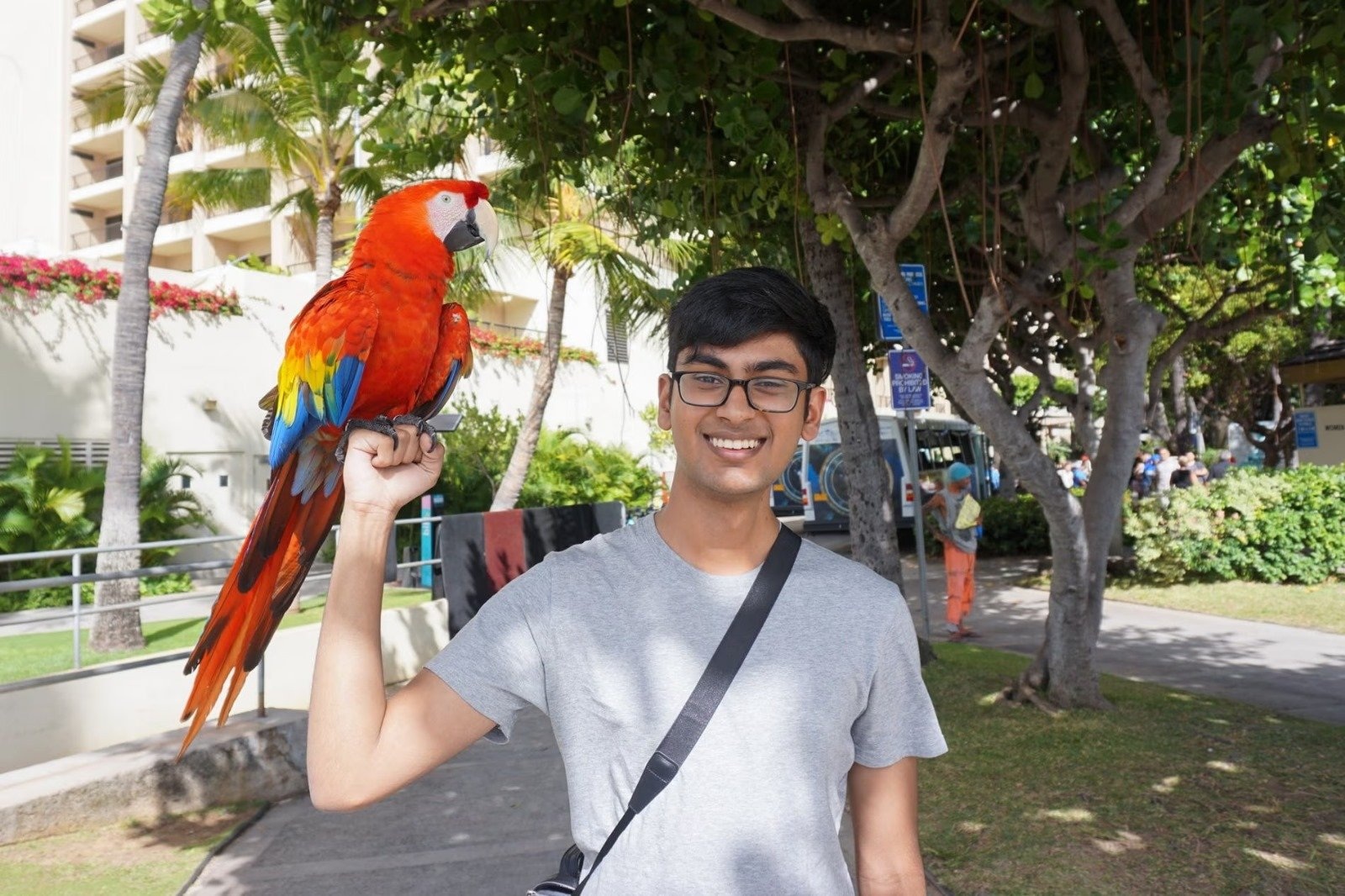
The unexpected and suspicious death of Indian-American ex-OpenAI employee Suchir Balaji, aged 26, has sparked widespread concern and speculation. His mother, Poornima Ramarao, has demanded an FBI investigation, and tech mogul Elon Musk has publicly supported her plea, raising serious questions about the circumstances behind Balaji’s death.
Who Was Suchir Balaji?
Suchir Balaji was a prodigious talent from a young age. Born in 1998 in San Francisco, he displayed exceptional skills in technology and artificial intelligence. By the age of 11, he was coding, and by 13, he had built his own computer. At 17, he secured a job at Quora, a feat that showcased his immense capabilities. In 2018, at just 20 years old, Balaji joined OpenAI, a pioneering organization in generative artificial intelligence.
The Journey at OpenAI
Balaji pursued his education at the University of California, Berkeley, where he gained recognition for developing innovative algorithms. His time at OpenAI reflected his deep commitment to ethical AI development. He believed in creating AI that served humanity rather than profit-driven motives. When he joined OpenAI, the company operated as a non-profit, focusing on advancing AI for the betterment of society.
However, OpenAI’s transformation into a profit-driven enterprise in 2022 following the launch of ChatGPT marked a pivotal shift. This shift reportedly troubled Balaji, leading to his resignation in August 2024. He subsequently launched a non-profit AI venture aimed at enhancing medical care, underlining his dedication to using technology for social good.
Whistleblower Role and Rising Tensions
In October 2024, Balaji gave an interview to The New York Times, where he openly criticized OpenAI’s ethical practices and information-gathering processes. His statements raised red flags about the company’s deviation from its original mission. Balaji’s whistleblower stance put him at odds with OpenAI, and his revelations posed a threat to the company’s reputation.
He highlighted potential violations related to data collection and copyright issues, which led to friction between him and OpenAI. Despite the risks, Balaji chose to expose practices he believed were unethical, a move that could have placed him in danger.
The Tragic Incident
In November 2024, Balaji was found dead in his San Francisco apartment. Police initially ruled his death as a suicide. However, his family disputed this conclusion, citing evidence of struggle and injuries observed during a second, private autopsy. Blood stains and signs of resistance at the scene further fueled suspicions of foul play.
His mother, Poornima Ramarao, publicly demanded a federal investigation, asserting that her son’s death was not self-inflicted. Elon Musk amplified her call by tweeting that Balaji’s death “does not look like a suicide,” prompting further media scrutiny.
Corporate Battles and Unresolved Questions
Elon Musk’s involvement added another layer of complexity to the case. Musk, an initial co-founder of OpenAI alongside Sam Altman, had previously severed ties with the company due to strategic disagreements. His ongoing legal battles and criticisms of OpenAI underscored existing tensions, intensifying speculations surrounding Balaji’s death.
Theories regarding corporate rivalry and potential cover-ups have emerged, with some suggesting that Balaji’s role as a whistleblower may have endangered his life. His parents continue to push for accountability, demanding transparency in the investigation.
The Need for Justice
Suchir Balaji’s story serves as a stark reminder of the potential risks faced by those who challenge powerful entities. His death raises critical questions about corporate ethics, the protection of whistleblowers, and the need for impartial investigations in the tech industry.
As the case unfolds, the demand for justice grows louder. Whether Balaji’s death was a result of foul play or an unfortunate incident, a thorough and transparent investigation remains crucial to ensure that the truth emerges and those responsible, if any, are held accountable.
This case underscores the importance of safeguarding individuals who stand up for ethical practices, ensuring that technological advancements prioritize humanity over profit.