Karwa Chauth Katha Timeless Tale of Devotion and Love
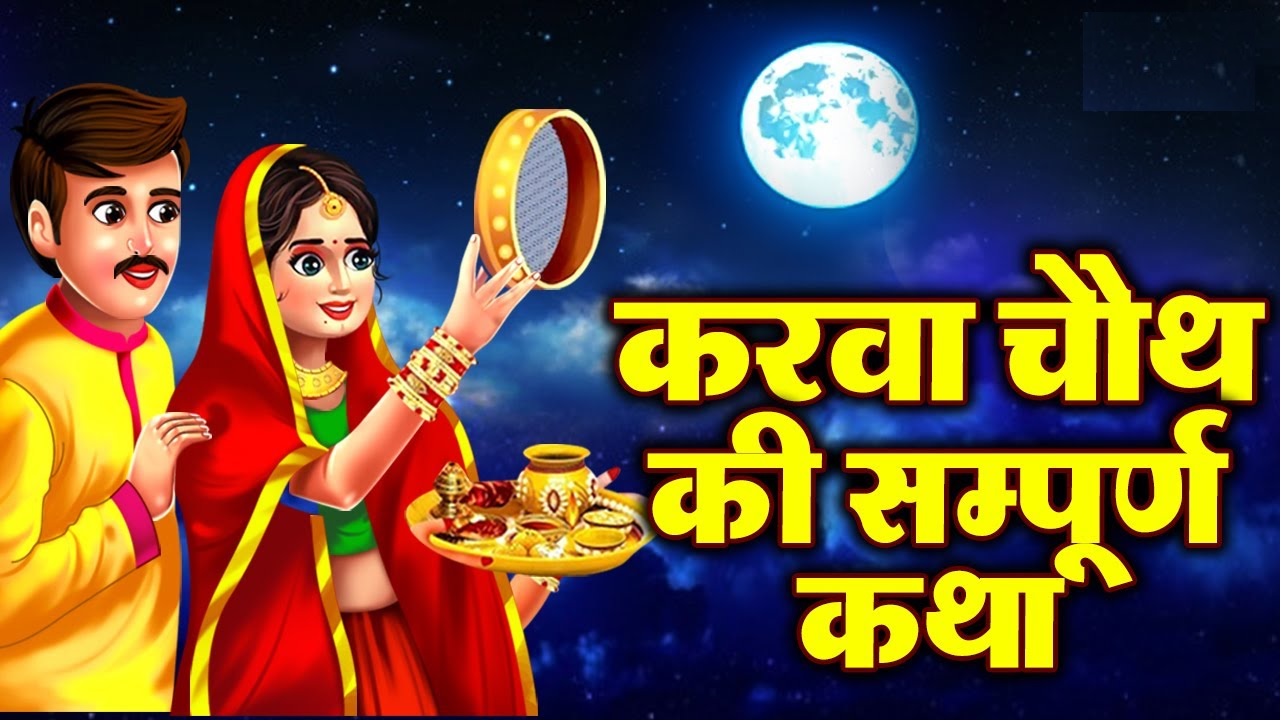
Karva Chauth is one of the most significant Hindu festivals celebrated by married women for the long life and well-being of their husbands. While fasting from sunrise to moonrise, women pray for their spouse’s longevity, health, and prosperity. The festival’s deep-rooted traditions are interwoven with mythological stories, one of which is the famous Karva Chauth Katha. This tale of sacrifice, devotion, and faith has been passed down through generations and is narrated as a reminder of the power of prayer and belief.
The Origin of Karva Chauth: A Sacred Vow
Many years ago, in a village, there lived a wealthy merchant with seven sons and a beloved sister named Karva. Karva was adored by her brothers, so much so that they ensured she ate before they did. The bond of love and protection they shared was evident in every act of care.
One year, when the auspicious day of Karva Chauth arrived, Karva, now married, returned to her parental home to observe the fast. This vrat (fast) was particularly important, as it was believed to bring blessings of longevity and happiness to her married life. As her brothers sat down to eat their evening meal, they noticed Karva, tired and weak from the fast, sitting silently. They urged her to join them, but she explained that she could not eat or drink until she had seen the moon and offered her prayers.
A Brother’s Trick and the Consequence
Feeling concerned for his sister’s discomfort, the youngest brother hatched a plan. He climbed a nearby hill and lit a lamp, placing it behind a tree to mimic the moon’s light. He hurried back and told his sister, “Sister, the moon has risen, you can offer your prayers and break your fast.”
Believing her brother, Karva rushed to perform the ritual. She gave her offerings and sat down to eat. But as she took her first bite, she felt uneasy. On the second bite, she found a strand of hair in her food, and on the third, she received devastating news from her in-laws. Her husband had suddenly fallen ill, and they urged her to return immediately.
A Journey of Trials and Prayers
Heartbroken, Karva realized the deception and rushed back to her in-laws’ house. When she arrived, she found her husband lying lifeless, and preparations were underway for his final rites. Overcome with grief, Karva refused to allow the funeral procession to proceed. She clung to her husband’s body and declared she would go wherever he was taken.
Despite their attempts to console her, the family eventually agreed to let her accompany the body to the cremation grounds. At the site, Karva’s devotion became evident to all, and she stayed by her husband’s side, praying day and night, refusing to give up on him. She performed her fast every month, hoping for a miracle.
The Divine Intervention
Months passed, and Karva continued her vrat with unwavering faith. During her prayers, the goddess of Karva Chauth, known as Chauth Mata, appeared before her. The goddess spoke, “Karva, you have fasted faithfully, but your husband’s fate lies with the elder goddess of Kartik Chauth. Only she can return your husband’s life.”
With this revelation, Karva intensified her prayers. When the Kartik Chauth day arrived, she prepared the sixteen adornments (solah shringar) and offered her most heartfelt prayers to the goddess. She begged, “Mata, please return my husband to me. I will not release your feet until my wish is granted.”
Moved by Karva’s devotion and determination, the Kartik goddess took pity on her. She instructed Karva to prepare offerings, and as the goddess sprinkled sacred water on her husband’s body, he miraculously returned to life.
A Reward for Faith and Devotion
With her husband revived, Karva’s life transformed. Her humble home became a grand palace, a symbol of the divine blessing she had received. Her unwavering faith had conquered even death, and her devotion had been rewarded in the most extraordinary way.
When Karva’s young sister-in-law arrived with food, she was astonished to see the palace in place of the old hut. Karva joyfully told her, “Look, your brother is alive! Go tell mother to come with music and celebration to bring us home.”
The Celebration of Karva Chauth Today
The legend of Karva Chauth remains an integral part of the festival, embodying the ideals of love, sacrifice, and trust in divine powers. Today, married women across India fast for the well-being of their husbands, just as Karva did. The day is marked by traditional rituals, including solah shringar, the offering of prayers to Chauth Mata, and waiting for the moonrise to break the fast.
The tale reminds us that faith, when combined with sincere efforts and selfless love, can bring about miraculous results. Whether through ancient myths or modern-day celebrations, Karva Chauth continues to strengthen the sacred bond of marriage, with its roots firmly embedded in stories of devotion like that of Karva.
Conclusion: The Legacy of Karva Chauth
The story of Karva Chauth is more than a myth; it’s a testament to the power of faith, the strength of devotion, and the bond of marriage. Every year, millions of women celebrate this festival, not only as a religious duty but as an affirmation of the love they share with their husbands. As the story of Karva has shown, no challenge is too great when faced with unwavering belief and love.

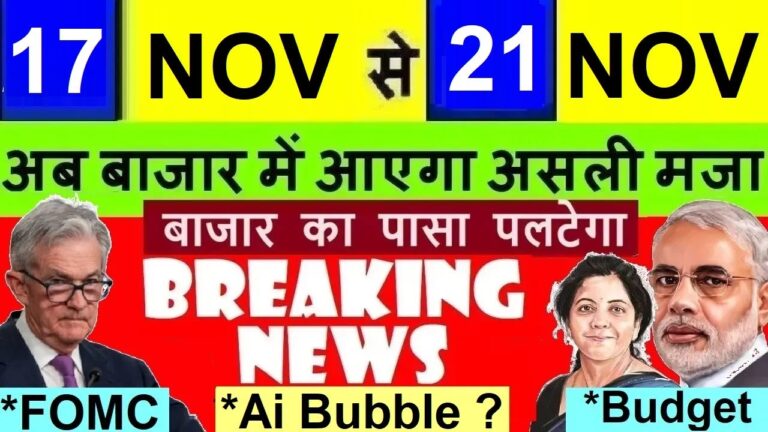
![As investors gear up for the trading sessions ahead on Dalal Street, the Indian stock market stands at a pivotal juncture. With the Nifty hovering near the crucial 26,000 resistance level, global cues from the FOMC minutes, whispers of Union Budget 2026 preparations, surging AI innovations, and crypto market tremors, this week promises volatility and potential breakthroughs. Drawing from recent market resilience amid Bihar election results and global downturns, this comprehensive guide dives deep into the key drivers influencing Sensex and Nifty movements. Whether you're a seasoned trader eyeing IPO listings or a beginner tracking FII flows, uncover actionable insights to navigate the Indian equity markets effectively. Stay ahead with our expert analysis on stock market trends, economic indicators, and sector-specific plays. Indian Stock Market Overview: Resilience Amid Global Headwinds The Indian stock market has shown remarkable fortitude in recent sessions, bucking the trend of international declines. Over the past five trading days, the benchmark indices climbed approximately 1.5%, a testament to domestic strengths that cushioned the blow from overseas slumps. While American markets grappled with sharp corrections—triggered by delayed rate cut expectations and AI sector jitters—the Nifty and Sensex held steady, refusing to mirror the full extent of the global sell-off. This resilience stems from several interconnected factors. First, the decisive outcome of the Bihar assembly elections delivered a clear mandate to the NDA alliance, fostering political stability at both central and state levels. Investors favor such scenarios because they pave the way for smoother policy execution, faster bill passages, and uninterrupted business operations between New Delhi and Patna. Companies in infrastructure, manufacturing, and consumer goods sectors stand to benefit immensely from this alignment, as it minimizes regulatory hurdles and accelerates project clearances. Yet, despite this positive domestic narrative, the market refrained from a euphoric rally. Why? Global markets plummeted aggressively last Friday, with U.S. indices like the Dow and Nasdaq shedding over 1% each. Indian traders astutely sidestepped the worst of it, thanks to proactive positioning in defensive stocks and a dip in FII selling pressure post-elections. As we pivot to the week ahead—from November 17 to 21, 2025—no holidays disrupt trading, allowing full five-day momentum to build. This uninterrupted flow sets the stage for data-driven decisions, but it also amplifies the impact of incoming economic releases. Long-term, the Indian equity landscape remains bullish. The Nifty has scaled from 15,000 to over 25,000 in the past few years, underscoring structural growth in IT, banking, and renewables. Short-term sentiment, however, tilts cautiously optimistic. Traders must watch how global volatility—particularly from U.S. economic data—spills over. If the rupee weakens further toward 89 against the dollar, import-heavy sectors like oil & gas could face headwinds, while exporters in pharma and IT might cheer the depreciation. Key Economic Indicators: PMI Data and U.S. Shutdown Aftermath Economic data releases often act as market catalysts, and this week delivers a cocktail of them. Kicking off the agenda, India's Manufacturing and Services PMI figures drop on Monday, November 17. These indices gauge business activity, new orders, and employment trends—critical barometers for industrial health. A reading above 50 signals expansion, potentially boosting midcap industrials and auto stocks if it exceeds expectations. Conversely, subpar numbers could reignite fears of slowing growth, pressuring cyclicals like metals and realty. Shifting gears to the U.S., the 43-day government shutdown that paralyzed data flows last month has ended, unleashing a torrent of pent-up statistics. Investors worldwide held their breath through October's fog, but clarity arrives now. Expect a cascade: Jobless claims on Thursday, November 20, followed by unemployment rate updates and GDP revisions for Q3. These metrics, delayed from September onward, will reveal the true state of America's labor market and economic pulse. Why does this matter for Dalal Street? The U.S. economy's health directly sways global risk appetite. Strong job data might dash hopes for Federal Reserve rate cuts in December, strengthening the dollar and inflating import costs for India. We've seen this play out before—last week's inflation data non-event on Thursday left markets guessing, but this week's deluge could spark 1-2% swings in Nifty futures. Volatility indices like India VIX may spike, offering hedgers opportunities in options trading. Anticipate heightened intraday fluctuations as these numbers hit wires. Multibaggers in the making? Keep an eye on rate-sensitive banking stocks like HDFC Bank and ICICI Bank; a softer U.S. GDP print could fuel rate cut optimism, lifting NBFC lenders. Primary Market Buzz: IPO Listings and Fresh Offerings Ignite Investor Interest The primary market remains a hotbed of activity, injecting fresh capital and liquidity into the secondary ecosystem. This week, several recent IPOs— including those from mid-tier tech and consumer firms—list on the BSE and NSE, providing early signals on valuation sanity. High-profile names like [hypothetical recent IPOs based on trends, e.g., fintech startups] could debut with premiums, rewarding allottees and setting benchmarks for upcoming issues. Notably, two major IPOs open for subscription mid-week: a renewable energy player tapping green bonds and a logistics disruptor leveraging e-commerce tailwinds. With retail participation at record highs, oversubscription risks loom, but strong anchor bids from mutual funds signal confidence. For savvy investors, this translates to allotment strategies—apply via UPI for retail quotas and monitor grey market premiums (GMP) for listing day pops. Q2 earnings season, though winding down, isn't over yet. Pending results from conglomerates in FMCG and telecom will drop, influencing sector rotations. Tata Consumer Products and Bharti Airtel, for instance, could sway consumer and digital plays. Positive surprises here might counter global gloom, propelling midcaps toward all-time highs. In this IPO frenzy, diversify: Allocate 10-15% of your portfolio to primaries for alpha generation, but balance with blue-chips to weather listing-day volatility. Union Budget 2026 Preparations: Tax Reforms and Sectoral Windfalls on the Horizon Though the full Union Budget unveils in February 2026, the groundwork intensifies now, fueling speculation across Dalal Street. November through mid-January buzzes with pre-budget maneuvers—think suggestion panels, industry lobbies, and leaked reports. This phase shapes narratives, often moving stocks before official announcements. Recent proposals highlight tax tweaks: One panel urges raising the 30% slab threshold from ₹24 lakh to ₹50 lakh, easing middle-class burdens and spurring consumption. Another calls for scrapping taxes on foreign investors to lure FII inflows, while equity market reforms target either LTCG (long-term capital gains) or STT (securities transaction tax)—not both. Imagine the rally if STT eases; transaction volumes could surge 20%, benefiting exchanges like NSE. Sectoral implications? Defense and railways top the wishlist. Operation Sindoor's recent showcase, coupled with Delhi's border tensions, underscores capex hikes—potentially ₹1.5 lakh crore for DRDO and HAL. Rail stocks like IRCTC and RVNL could rocket 15-20% on budget sops. Infrastructure PSUs, from L&T to NCC, eye PLI extensions, amplifying the ₹10 lakh crore infra pipeline. Track these via finance ministry leaks and RBI consultations. Active voice tip: Governments implement reforms; investors capitalize. Position in thematic ETFs for broad exposure, avoiding single-stock bets amid rumor-driven swings. Regulatory Spotlights: SEBI, RBI Moves and Loan Growth Concerns Regulators hold the reins on market stability, and this week demands vigilance. SEBI's easing on F&O (futures and options) norms—higher margins and lot sizes—aims to curb retail speculation, yet volumes persist. Watch for circulars on algo trading curbs, which could trim high-frequency profits but safeguard against flash crashes. RBI's lens sharpens on credit expansion. Unsecured loans ballooned 25% YoY, resembling a "runaway horse" per analysts. Personal loans and credit cards fuel consumption but risk NPAs if defaults rise. Expect liquidity tweaks—perhaps a 25 bps repo rate hint—to temper this. Banks like SBI and Axis may consolidate, while fintechs like Bajaj Finance face scrutiny. Broader policy U-turns? Trade deal talks with the U.S. resume post-Bihar polls, with tariffs on EVs and pharma in focus. A breakthrough could unlock $50 billion in exports, juicing IT and auto ancillaries. Conversely, delays prolong FII outflows, which hit ₹15,000 crore last month despite election wins. Strategy: Hedge via currency futures if USD/INR breaches 89. Long-term, RBI's hawkish stance supports rupee stability, benefiting gold importers. FOMC Minutes Decoded: Rate Cut Clues and Global Ripple Effects The Federal Reserve's October meeting minutes, slated for Wednesday night (IST), emerge as the week's marquee event. Last month's Powell commentary dashed December rate cut hopes, citing sticky inflation. Absent fresh CPI data, expect dovish undertones tempered by labor strength—jobless claims at 220K could sway sentiment. For India, hawkish tones bolster the dollar, pressuring EM currencies. Nifty Bank might dip 1% if yields rise, but IT majors like TCS thrive on a weaker rupee. Historical precedent: Post-FOMC minutes in 2024, Sensex corrected 2% before rebounding on domestic cues. Decode actively: Scan for "forward guidance" phrases. A surprise pivot? Unlikely, but it could ignite a risk-on rally, lifting global indices 0.5-1%. AI Revolution: Opportunities and Turbulences in Tech Stocks Artificial Intelligence dominates headlines, fueling both euphoria and caution. U.S. tech titans—Nvidia, Palantir—oscillate wildly: Nvidia's 10% weekly swing underscores chip demand volatility, while SoftBank's Arm holdings spotlight AI infrastructure bets. Michael Burry's warnings of an "AI bubble" echo, yet adoption accelerates in healthcare and autos. In India, AI adoption surges: Infosys and Wipro integrate generative tools, targeting $10 billion in deals. Startups like Fractal Analytics draw PE interest. This week, track AI-themed conferences; positive buzz could propel Nasscom index peers 5%. Risks? Overhype leads to corrections—witness last week's 3% Nasdaq drop. Diversify: Blend AI pure-plays with enablers like semiconductors (e.g., Tata Elxsi). Crypto Market Dynamics: Bitcoin Slump and Ethereum Trends Cryptocurrencies mirror equity volatility, with Bitcoin dipping below $100,000—down 5% amid regulatory clouds. Ethereum hovers near $3,000, pressured by ETF outflows. For Indian traders, this signals caution: WazirX volumes dipped 15%, but long-term bulls eye post-halving rebounds. U.S. trade deal clauses demand Russian oil cuts, indirectly stabilizing crypto as an inflation hedge. Gold's 2.5% slide (to $2,600/oz) funnels flows here. Tip: Allocate 5% via regulated exchanges; monitor SEC nods for altcoin ETFs. Commodity Watch: Crude Oil Surge, Gold Dip, and Rupee Pressures Commodities add layers to the narrative. Brent crude nears $65/barrel, up 2% on OPEC+ hints, stinging OMCs like BPCL with refining margins. U.S. sanctions on Lukoil and Rosneft amplify supply squeezes—India's 85% import reliance means fuel price hikes loom. Gold and silver retreat: XAU/USD falls 2.5%, silver 3.5%, as dollar strength erodes appeal. Safe-haven chasers pivot to bonds. Rupee at 88.5/USD eyes 89 support; a breach favors IT exports but hikes CAD. Trade play: Long MCX crude futures if WTI tops $60; short gold on Fed hawkishness. Technical Analysis: Nifty's 26,000 Battle and Option Chain Insights Technically, Nifty tests 26,000 resistance—twice breached on trade deal rumors but failed to close above. Option chain data screams caution: High put OI at 25,500 signals downside protection, while call writing at 26,200 caps upside. Support at 25,700 holds; a decisive break above 26,000 needs trade deal confirmation. RSI at 60 hints overbought—expect consolidation. For options traders, strangles around 26,000 offer theta decay plays. Weekly outlook: Bullish if FOMC minutes surprise dovish; bearish on U.S. data strength. Target: 26,200-26,500 upside, 25,400 downside. FII and DII Flows: Stemming the Outflow Tide FIIs sold relentlessly—₹20,000 crore in October—unfazed by Bihar's NDA sweep. Trade deal clarity alone halts this; official pacts could reverse to buys. DIIs, via MFs, absorbed ₹15,000 crore, anchoring stability. Watch Thursday's flows: Positive U.S. cues might stem FII exits, lifting large-caps. Strategic Trading Tips for the Week Ahead Navigating this multifaceted week demands discipline. Start with position sizing: Limit exposure to 2% per trade amid volatility. Use stop-losses at key levels—25,800 for longs. Sector rotation: Overweight defensives (FMCG, pharma) on global risks; lean into infra on budget buzz. For beginners, SIP into Nifty ETFs; pros, leverage futures for PMI plays. Monitor CNBC-TV18 and Economic Times for real-time updates. Conclusion: Seize the Momentum on Dalal Street This week on the Indian stock market blends opportunity with uncertainty—from PMI sparks to FOMC fog, budget whispers to AI whirlwinds. Dalal Street's resilience shines, but global threads pull strings. Arm yourself with data, diversify wisely, and trade actively. As Nifty eyes 26,000 glory, position for the upside while hedging tails. What's your top pick? Share in comments—happy investing!](https://www.tgnns.com/wp-content/uploads/2025/11/FOMC-Minutes-AI-Boom-and-Crypto-Volatility-Indian-Stock-Market-News-768x432.jpg)