


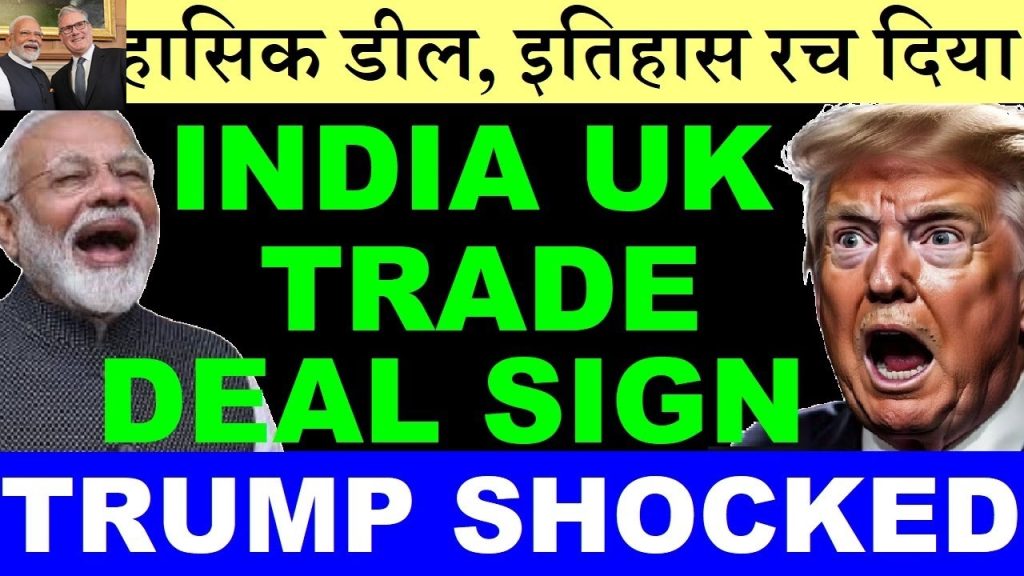
In a landmark move, India and the United Kingdom have officially signed a Free Trade Agreement (FTA), marking a significant milestone in their economic partnership. This historic deal, finalized between Prime Minister Narendra Modi and UK Prime Minister Keir Starmer, eliminates nearly all tariffs on goods traded between the two nations, paving the way for a multi-billion-dollar trade boost. This article delves into the details of the India-UK FTA, its implications for businesses, consumers, and global trade dynamics, and why this agreement has sent shockwaves across international markets.
What is the India-UK Free Trade Agreement?
The India-UK Free Trade Agreement is a bilateral trade pact designed to eliminate tariffs and trade barriers, fostering seamless commerce between the two nations. Signed in 2025, this agreement removes up to 99% of tariffs on Indian exports to the UK and significantly reduces duties on UK goods entering India. By creating a tariff-free environment, the FTA aims to boost exports, enhance competitiveness, and strengthen economic ties.
Key Features of the FTA
- Zero Tariffs on Indian Exports: Most Indian goods, including textiles, leather footwear, processed foods, and jewelry, now face 0% tariffs in the UK.
- Reduced Duties on UK Imports: UK products like whisky, automobiles, and cosmetics see tariff reductions, with some dropping from 150% to as low as 40% over time.
- Mutual Benefits: The agreement excludes sensitive sectors like agriculture and dairy, ensuring both nations protect their domestic interests.
- Economic Growth Target: The deal aims to triple or quadruple bilateral trade by 2030, potentially reaching tens of billions of dollars.
This agreement comes at a time when global trade dynamics are shifting, with nations seeking stronger partnerships to counter economic uncertainties. The India-UK FTA positions both countries as key players in the global market, challenging competitors like Pakistan and Bangladesh in sectors like textiles.
Why the India-UK FTA is a Game-Changer
The signing of this FTA is a historic event, not only for India and the UK but also for global trade. Here’s why this deal stands out:
1. Unprecedented Tariff Reductions
Before the FTA, Indian exports like leather footwear faced tariffs as high as 16%, while processed foods were taxed up to 70%. Similarly, UK goods like whisky faced tariffs of 150% in India. The FTA slashes these duties, making Indian products more competitive in the UK and UK goods more affordable in India. For instance:
- Textiles and Clothing: Previously taxed at 12%, Indian textiles now enter the UK tariff-free, giving Indian manufacturers an edge over competitors.
- Whisky and Spirits: UK whisky tariffs in India drop from 150% to 75% immediately, with further reductions to 40% planned within a year.
- Automobiles: UK car imports, previously taxed at 100%, now face duties as low as 10%, subject to specific import limits.
These reductions create a win-win scenario, boosting trade volumes and consumer access to diverse products.
2. Boost for Indian Exporters
Indian businesses stand to gain significantly from the FTA. Sectors like textiles, leather, processed foods, and jewelry, which faced high tariffs, now enjoy zero-duty access to the UK market. This translates to:
- Cost Savings: Exporters save millions by avoiding tariffs, allowing them to offer competitive prices.
- Market Expansion: With lower costs, Indian goods can capture a larger share of the UK market, previously dominated by countries like Pakistan and Bangladesh.
- Job Creation: Increased exports are expected to create jobs in manufacturing hubs across India.
For example, the textile industry, a cornerstone of India’s export economy, can now compete more effectively in the UK, where demand for affordable, high-quality clothing is strong.
3. Opportunities for UK Businesses
The FTA also opens doors for UK businesses in India. With reduced tariffs, UK exporters can tap into India’s growing consumer market. Key sectors benefiting include:
- Alcoholic Beverages: Whisky and gin lovers in India will enjoy more affordable UK brands, challenging domestic players.
- Automobiles: UK car manufacturers can introduce premium models at lower prices, increasing their market share.
- Cosmetics and Chocolates: Tariffs on UK cosmetics and chocolates drop from 28-30% to 0-5%, making luxury products more accessible.
However, this increased competition poses challenges for Indian companies in these sectors, pushing them to innovate and improve quality.
4. Strategic Timing Post-Brexit
The FTA comes at a critical juncture following Brexit, which disrupted the UK’s trade relationships with the European Union. By forging a strong partnership with India, the UK secures access to one of the world’s fastest-growing economies. For India, the deal strengthens its position as a global trade hub, diversifying its export markets beyond traditional partners like the United States.
Sector-Wise Impact of the India-UK FTA
The FTA impacts a wide range of industries, creating opportunities and challenges for businesses in both countries. Here’s a detailed breakdown:
Textiles and Clothing
India’s textile industry, previously burdened by 12% tariffs, now enjoys zero-duty access to the UK. This is a significant blow to competitors like Pakistan and Bangladesh, whose textile exports faced lower tariffs. Indian clothing brands can now offer competitive prices, potentially capturing a larger share of the UK’s £40 billion apparel market.
Processed Foods
Indian processed foods, such as mango pulp, pickles, and spices, faced tariffs as high as 70%. The FTA eliminates these duties, making Indian products more attractive to UK consumers. This benefits exporters of pulses, cereals, and vegetable oils, who can now scale operations without tariff constraints.
Leather and Footwear
The leather footwear sector, previously taxed at 16%, now enjoys zero tariffs. This opens up the UK’s £5 billion footwear market to Indian manufacturers, who can offer high-quality products at lower prices.
Gems and Jewelry
Indian gems and jewelry, taxed at 4%, are now duty-free. This strengthens India’s position as a global leader in jewelry exports, with the UK being a key market for luxury goods.
Automobiles and Components
UK car manufacturers benefit from reduced tariffs, dropping from 100% to 10% for a limited number of vehicles. Indian auto component exporters also gain, as duties on these products fall from 8-10% to near zero.
Alcoholic Beverages
The reduction in whisky tariffs from 150% to 75% (and eventually 40%) is a boon for UK distilleries. Indian consumers, particularly whisky enthusiasts, will enjoy more affordable premium brands, increasing competition for domestic producers.
Cosmetics and Chocolates
UK cosmetics and chocolates, previously taxed at 28-30%, now face duties of 0-5%. This makes brands like Cadbury and L’Oréal more accessible, challenging Indian players like Amul and Lakmé.
Electronics and Machinery
Both nations benefit from reduced tariffs on electronics and machinery. Indian exporters of electric machinery, previously taxed at 14%, now face zero duties, while UK medical devices and aerospace products see similar reductions.
Economic and Political Implications
The India-UK FTA is more than a trade deal; it’s a strategic partnership with far-reaching implications.
Economic Growth and Job Creation
The agreement is projected to triple or quadruple bilateral trade by 2030, potentially reaching $50 billion. This growth will drive job creation in India’s manufacturing and export sectors, while UK businesses gain access to India’s 1.4 billion consumers. The deal also aligns with India’s goal to boost exports by 20% within three years.
Strengthening India-UK Ties
The FTA reinforces the strategic partnership between India and the UK, building on shared history and economic goals. It positions both nations as counterweights to other global powers, enhancing their influence in international trade forums.
Global Trade Dynamics
The deal has sparked reactions worldwide, particularly from the United States. Former President Donald Trump has expressed concerns about India’s growing trade partnerships, particularly with the UK. His comments on imposing tariffs on companies manufacturing in India reflect the competitive pressure this FTA creates. Unlike the stalled India-US trade talks, which faltered over demands for agricultural market access, the India-UK FTA avoids such contentious issues, ensuring mutual benefits.
Challenges and Considerations
While the FTA offers immense opportunities, it also presents challenges:
Increased Competition for Indian Businesses
Indian companies in sectors like whisky, cosmetics, and chocolates face heightened competition from UK brands. Domestic players must innovate to maintain market share.
Terms and Conditions
Some tariff reductions come with conditions, such as import limits for UK automobiles. Businesses must navigate these terms to maximize benefits.
Impact on Local Markets
The influx of affordable UK goods could disrupt local markets, particularly in premium segments. Indian manufacturers must adapt to stay competitive.
How Businesses Can Capitalize on the FTA
To leverage the India-UK FTA, businesses in both countries should:
- Study Market Opportunities: Exporters should analyze demand for tariff-free products like textiles, processed foods, and electronics.
- Invest in Quality: Indian companies must enhance product quality to compete with UK brands in premium segments.
- Explore Partnerships: Joint ventures and collaborations can help businesses tap into new markets.
- Monitor Policy Changes: Staying updated on FTA terms and conditions is crucial for compliance and competitiveness.
Conclusion
The India-UK Free Trade Agreement is a historic step toward deepening economic ties and reshaping global trade. By eliminating tariffs and fostering mutual growth, this deal benefits exporters, consumers, and economies in both nations. For India, it’s a chance to dominate sectors like textiles and jewelry in the UK market. For the UK, it’s an opportunity to access India’s vast consumer base. As the world watches, this FTA sets a new benchmark for bilateral trade agreements, proving that strategic partnerships can drive prosperity in an interconnected world.