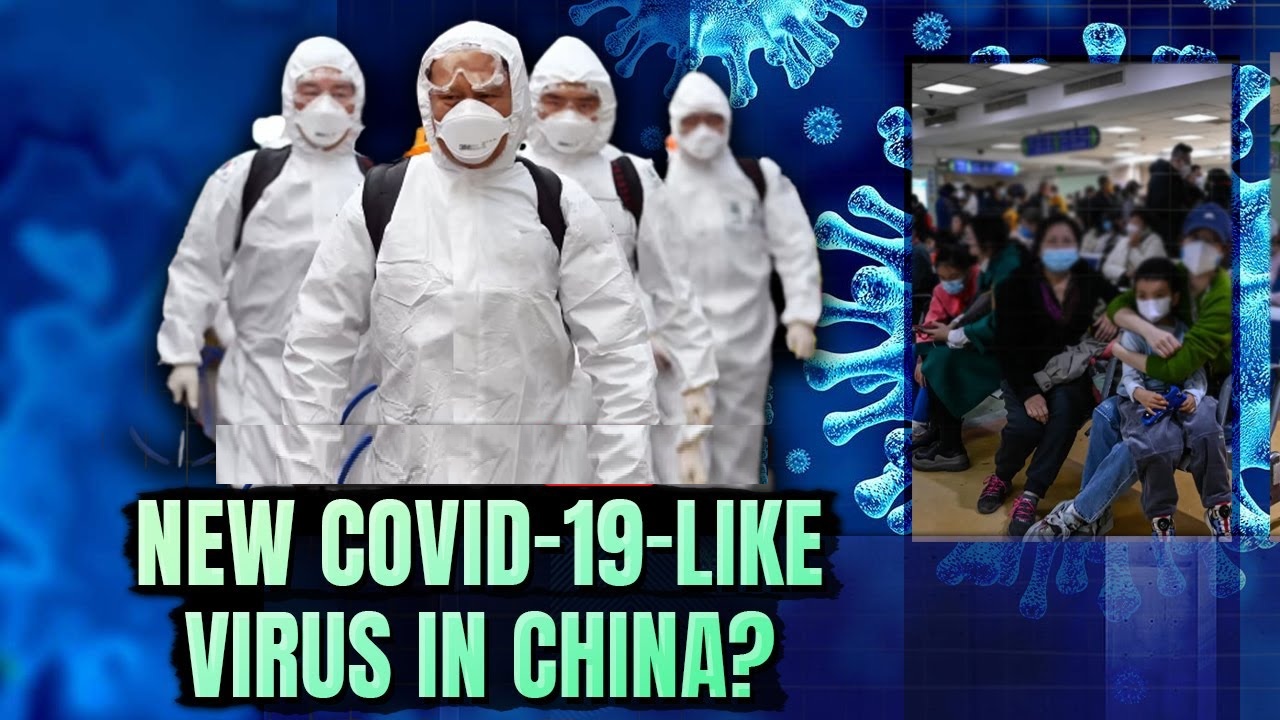
Human Metapneumovirus (HMPV) is making headlines in China, raising questions about its impact and implications. As the world continues to grapple with various respiratory viruses, HMPV’s resurgence has sparked interest among researchers and health authorities alike. This lesser-known virus can lead to significant respiratory infections, especially in vulnerable populations like children and the elderly.
China’s New Health Crisis: Understanding the Human Metapneumovirus Outbreak
The alarming scenes of overcrowded hospitals and thousands of patients with flu-like symptoms in China evoke memories of the early days of the COVID-19 pandemic. This time, however, the focus is on a different health threat—the Human Metapneumovirus (HMPV). Despite the Chinese government’s reassurances, the lack of transparency raises concerns about the true extent of the outbreak.
Understanding HMPV is crucial as it shares characteristics with other viral infections we have come to know well, including COVID-19. With an increase in cases reported recently, many are concerned about what this means for public health moving forward.
What Is Human Metapneumovirus (HMPV)?
Human Metapneumovirus (HMPV) was first identified in 2001, although its presence dates back at least 60 years. This virus primarily affects the respiratory system, causing symptoms such as fever, cough, and shortness of breath. Severe cases can escalate to complications like bronchitis or pneumonia, requiring intensive care or even ventilator support.
Unlike the novel coronavirus, HMPV is a known entity, but that doesn’t make it any less concerning. Its primary targets are children and adolescents, groups that are particularly vulnerable to severe respiratory infections.
Join us as we explore the current research surrounding HMPV in China, delve into safety concerns related to travel amidst this outbreak, and discuss potential preventative measures that could help mitigate its spread. With information at your fingertips, you’ll be better prepared to navigate these developments confidently.
Human Metapneumovirus in China: Current Research and Future Directions
Recent studies on Human Metapneumovirus (HMPV) in China have revealed important insights into its prevalence and transmission patterns. Researchers are focusing on understanding how the virus behaves within different populations, particularly among children and those with compromised immune systems. This vital work aims to identify risk factors associated with severe infections.
Ongoing surveillance is essential as health authorities monitor HMPV alongside other respiratory viruses. The data collected will guide future research priorities and inform public health strategies. Collaboration between international teams is fostering a deeper understanding of HMPV’s genetic diversity.
Looking ahead, scientists are optimistic about developing effective vaccines or therapeutic options for HMPV-related illnesses. Advancements in technology may facilitate rapid diagnosis methods, ultimately enhancing our ability to respond swiftly during outbreaks.
Overview of HMPV Outbreak in China
Human Metapneumovirus (HMPV) is an RNA virus that primarily affects the respiratory system. Discovered in 2001, it has gained attention for its role in causing respiratory infections, particularly among children and older adults. Its symptoms often mirror those of other viral infections.
In recent years, there has been a notable increase in HMPV cases globally, including a surge reported in China. This uptick raises concerns about public health implications and the need for enhanced surveillance measures.
Research into HMPV is ongoing, focusing on understanding its transmission patterns and severity of symptoms. Investigations are crucial to grasp how this virus behaves differently compared to similar pathogens like influenza or COVID-19.
The Scale of the HMPV Outbreak in China
Reports indicate that HMPV cases are spreading rapidly across multiple cities, including Beijing, Tianjin, and Inner Mongolia. While Chinese authorities have not disclosed detailed case numbers, anecdotal evidence and viral videos suggest a massive surge in infections.
The situation becomes even more worrisome when considering China’s healthcare system, which is already under immense pressure. Overcrowded hospitals and strained medical resources could lead to dire consequences if the outbreak spirals out of control.
Union Health Ministry’s Monitoring
The Union Health Ministry is closely monitoring the situation regarding Human Metapneumovirus (HMPV) in China. The emergence of HMPV cases has raised concerns about its potential impact on public health. As a result, the ministry is implementing strategies to track outbreaks and assess risks.
Health officials are collaborating with international organizations to gather data and share findings. This information will help build a comprehensive understanding of HMPV’s spread, transmission modes, and affected populations. By staying informed, they can adapt their response as needed.
Additionally, awareness campaigns are in place to educate healthcare providers and the general public about symptoms linked to HMPV. Early detection plays a crucial role in controlling any outbreak effectively while ensuring that adequate resources are allocated for prevention efforts across regions.
HMPV Virus Surge in China
Recent reports indicate a significant surge in Human Metapneumovirus (HMPV) cases across China. This uptick has raised alarm among health officials and researchers alike, who are closely monitoring the situation. HMPV is known for causing respiratory infections, particularly in children and immunocompromised individuals.
The increase in cases seems to coincide with seasonal trends typically seen with viral infections. Hospitals are experiencing a higher influx of patients presenting symptoms associated with HMPV, including coughs, fever, and wheezing. Healthcare providers are on high alert as they navigate this challenging scenario.
Researchers emphasize the importance of understanding how environmental factors contribute to this outbreak. They believe that studying these patterns will be crucial for future prevention efforts and effective responses to similar surges elsewhere globally. Collaboration among scientists can provide valuable insights into managing such viral threats effectively.
Symptoms and Challenges in Treating HMPV
The symptoms of HMPV—fever, cough, and shortness of breath—closely resemble those of COVID-19, making it challenging to differentiate between the two without specific tests. This similarity could potentially delay appropriate responses and overwhelm healthcare facilities further.
Currently, there are no vaccines or antiviral drugs specifically designed to combat HMPV. Treatment primarily involves managing symptoms and providing supportive care, such as oxygen therapy in severe cases.
FAQs on HMPV Virus
Human Metapneumovirus (HMPV) often raises questions among the public. Many wonder about its transmission, symptoms, and impact on health. Understanding these aspects is crucial for awareness and prevention.
One common query is whether HMPV spreads easily between people. The answer is yes; it can spread through respiratory droplets when an infected person coughs or sneezes. Close contact with infected individuals also increases risk.
Another frequently asked question relates to symptoms. HMPV typically causes respiratory illness, ranging from mild cold-like signs to severe pneumonia in vulnerable groups like young children and the elderly. Knowing what to watch for can help in seeking timely medical attention if needed.
Is HMPV Similar to COVID-19?
Human Metapneumovirus (HMPV) and COVID-19 share some similarities, but they are distinct viruses. Both belong to different families; HMPV is a member of the Paramyxoviridae family, while COVID-19 is caused by the novel coronavirus SARS-CoV-2. Their transmission methods also differ slightly, with HMPV primarily spreading through respiratory droplets.
Symptoms of HMPV can resemble those of COVID-19, including cough, fever, and difficulty breathing. However, HMPV typically causes milder respiratory illnesses compared to the severe outcomes often associated with COVID-19.
It’s essential to recognize these differences for proper diagnosis and care. While both viruses can lead to respiratory infections in vulnerable populations like young children and the elderly, their severity levels may vary significantly.
India’s Response to HMPV Spread
India is closely monitoring the spread of Human Metapneumovirus (HMPV) as concerns rise about its impact on public health. The Union Health Ministry has implemented a series of surveillance measures to detect and control outbreaks effectively. Through collaboration with local health departments, they aim to curb the virus’s transmission.
Health authorities are also raising awareness among medical professionals about HMPV symptoms and treatment protocols. Training programs are being developed to ensure that healthcare providers can quickly identify cases and respond accordingly.
Moreover, guidelines for testing and reporting suspected infections have been established in hospitals across the nation. This proactive approach helps to contain any potential surge in cases while keeping the public informed about preventive measures against HMPV.
What Can Be Done to Mitigate the Crisis?
- Enhanced Surveillance: Health organizations must monitor the spread of HMPV closely, both within China and globally. This involves tracking case numbers, identifying hotspots, and studying transmission patterns.
- Public Awareness Campaigns: Educating the public about HMPV symptoms and prevention measures is vital. Simple steps like practicing good hygiene and seeking medical attention for respiratory symptoms can make a significant difference.
- Investment in Research: Developing vaccines and antiviral treatments for HMPV should be a global priority. Research funding can accelerate the creation of effective solutions to manage future outbreaks.
- Strengthening Healthcare Systems: Countries must bolster their healthcare infrastructure to handle surges in respiratory illnesses. This includes increasing hospital capacities, training medical staff, and securing essential resources like oxygen supplies and ventilators.
Safety Travel Concerns Amid HMPV Outbreak
As the Human Metapneumovirus (HMPV) outbreak unfolds, travelers are understandably anxious about their safety. The virus can spread easily in crowded places, making airports and public transport potential hotspots for transmission. Passengers should remain vigilant and practice preventive measures.
Health officials recommend wearing masks and practicing good hygiene while traveling. Regular handwashing with soap or using sanitizers can significantly reduce the risk of infection. Travelers should also be aware of local health guidelines when arriving at their destination.
Monitoring symptoms is crucial during this time. If you feel unwell after traveling, seek medical attention promptly to avoid complications. Staying informed about HMPV developments will empower travelers to make safer choices while exploring new places or returning home from abroad.
Symptomatology and Complications of HMPV
Human Metapneumovirus (HMPV) primarily affects the respiratory system, causing a range of symptoms similar to those seen in other viral infections. Common signs include cough, fever, and runny nose. These symptoms can mimic seasonal flu or even COVID-19, making it crucial for accurate diagnosis.
In some cases, HMPV can lead to more severe complications. This is particularly true for young children and the elderly who may experience bronchiolitis or pneumonia. Hospitalizations are not uncommon during peak seasons.
The virus poses a unique challenge due to its potential for secondary bacterial infections. Individuals with weakened immune systems might face an increased risk of complications that could prolong recovery time and necessitate intensive care interventions.
Prevention and Diagnosis
Preventing Human Metapneumovirus (HMPV) infection focuses on basic hygiene practices. Frequent handwashing with soap and water can significantly reduce transmission risks. Using alcohol-based sanitizers is also effective, especially in crowded places.
Diagnosing HMPV typically involves a combination of clinical evaluation and laboratory tests. Healthcare providers assess symptoms that may mirror those of other respiratory infections, including cough and fever. Diagnostic methods include PCR testing to identify the virus from respiratory samples.
Early detection plays a crucial role in managing outbreaks. Understanding the patterns of HMPV can help healthcare systems respond more swiftly to potential surges, ensuring timely treatment for affected individuals while minimizing community spread.
Future Insights
As research on the human metapneumovirus (HMPV) in China progresses, there is a growing emphasis on understanding its impact and implications for public health. Scientists are delving deeper into the virus’s transmission patterns, potential mutations, and overall virulence. Enhanced surveillance systems will play a crucial role in monitoring HMPV cases.
Future studies aim to clarify how HMPV may interact with other respiratory viruses, including COVID-19. Understanding co-infections is vital as it could affect treatment protocols and healthcare responses.
Additionally, vaccine development remains an area of keen interest. With increased awareness of HMPV’s prevalence, researchers are motivated to create effective vaccines or therapeutics to mitigate outbreaks. Collaborations between international health organizations can foster innovation and drive progress.
The landscape around viral infections is ever-evolving; thus, ongoing education about HMPV risk factors will be essential for communities across China and beyond. Keeping abreast of developments surrounding this virus will empower individuals to take proactive measures in safeguarding their health amid emerging infectious diseases.