Site icon Telangana NavaNirmana Sena

HMPV virus Updates and Insights from Karnataka

ICMR Identifies Two Cases of Human Metapneumovirus (HMPV) in Routine Surveillance Human Metapneumovirus (HMPV), a respiratory virus already circulating globally, has recently been detected in Karnataka, India. The Indian Council of Medical Research (ICMR) confirmed two cases of HMPV during its routine monitoring of respiratory viral pathogens. Despite media attention, health authorities assure the public that there is no unusual surge in respiratory illnesses such as Influenza-Like Illness (ILI) or Severe Acute Respiratory Illness (SARI) in the country. HMPV: A Global Respiratory Pathogen HMPV is not a new entity in the realm of respiratory diseases. The virus has been documented across various countries, including India. It primarily affects the respiratory tract, leading to conditions ranging from mild cold-like symptoms to more severe complications such as bronchopneumonia. Details of the Reported Cases in Karnataka ICMR’s surveillance identified two HMPV cases in Bengaluru, highlighting the effectiveness of India’s health monitoring systems: Case 1: 3-Month-Old Female InfantA three-month-old female infant was admitted to Baptist Hospital, Bengaluru, with bronchopneumonia. Following a thorough diagnostic process, she tested positive for HMPV. The child has since recovered and been discharged. Case 2: 8-Month-Old Male InfantAn eight-month-old male infant also presented with bronchopneumonia at the same hospital. He tested positive for HMPV on January 3, 2025, and is now showing signs of recovery. Neither child had a history of international travel, ruling out the possibility of imported cases. ICMR and Government Measures to Monitor HMPV India’s healthcare infrastructure, spearheaded by institutions like ICMR and the Integrated Disease Surveillance Programme (IDSP), plays a pivotal role in tracking respiratory illnesses. The Union Health Ministry is actively monitoring HMPV trends through these robust surveillance systems. Preparedness Against Respiratory Illnesses A nationwide preparedness drill conducted recently demonstrated India’s readiness to handle potential outbreaks of respiratory diseases, including HMPV. Public health interventions, if required, can be implemented swiftly to curb the spread of infections. HMPV Symptoms and Transmission HMPV shares similarities with other respiratory viruses, such as the respiratory syncytial virus (RSV) and influenza. Common symptoms include: Fever Cough Nasal congestion Shortness of breath In severe cases, particularly among infants, elderly individuals, or those with weakened immune systems, HMPV can lead to bronchopneumonia and other complications. The virus spreads through respiratory droplets, direct contact with infected individuals, or contaminated surfaces. Global Context: HMPV and WHO’s Role The World Health Organization (WHO) is closely monitoring HMPV’s global circulation. Recent updates, including reports from China, inform strategies to mitigate risks associated with respiratory pathogens. The collaborative efforts of international and national health bodies ensure proactive responses to emerging health threats. Conclusion The detection of two HMPV cases in Karnataka underscores the importance of continuous surveillance and public awareness. While HMPV remains a cause for caution, there is no indication of an alarming rise in cases. India’s health systems, bolstered by ICMR’s vigilant monitoring and WHO’s guidance, are well-equipped to manage respiratory illnesses effectively. Public adherence to preventive measures, such as hand hygiene and avoiding close contact with sick individuals, remains vital to minimizing the spread of infections.

ICMR Identifies Two Cases of Human Metapneumovirus (HMPV) in Routine Surveillance

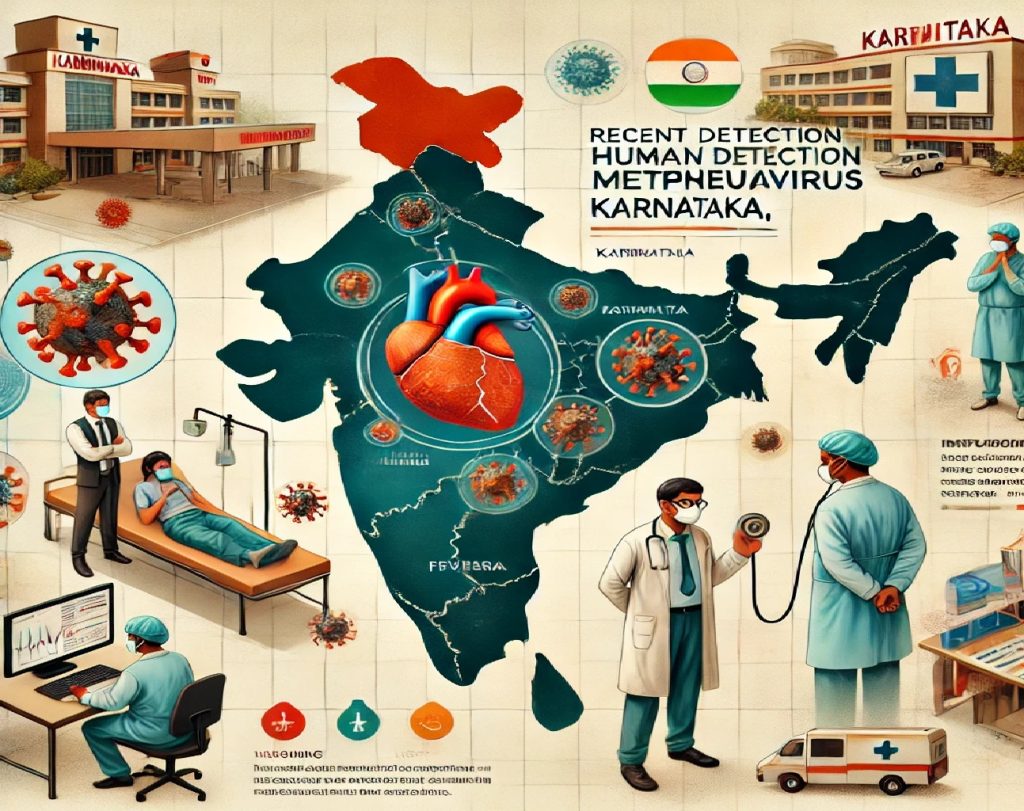
Human Metapneumovirus (HMPV), a respiratory virus already circulating globally, has recently been detected in Karnataka, India. The Indian Council of Medical Research (ICMR) confirmed two cases of HMPV during its routine monitoring of respiratory viral pathogens. Despite media attention, health authorities assure the public that there is no unusual surge in respiratory illnesses such as Influenza-Like Illness (ILI) or Severe Acute Respiratory Illness (SARI) in the country.

HMPV: A Global Respiratory Pathogen

HMPV is not a new entity in the realm of respiratory diseases. The virus has been documented across various countries, including India. It primarily affects the respiratory tract, leading to conditions ranging from mild cold-like symptoms to more severe complications such as bronchopneumonia.

Details of the Reported Cases in Karnataka

ICMR’s surveillance identified two HMPV cases in Bengaluru, highlighting the effectiveness of India’s health monitoring systems:

  1. Case 1: 3-Month-Old Female Infant
    A three-month-old female infant was admitted to Baptist Hospital, Bengaluru, with bronchopneumonia. Following a thorough diagnostic process, she tested positive for HMPV. The child has since recovered and been discharged.
  2. Case 2: 8-Month-Old Male Infant
    An eight-month-old male infant also presented with bronchopneumonia at the same hospital. He tested positive for HMPV on January 3, 2025, and is now showing signs of recovery.

Neither child had a history of international travel, ruling out the possibility of imported cases.

ICMR and Government Measures to Monitor HMPV

India’s healthcare infrastructure, spearheaded by institutions like ICMR and the Integrated Disease Surveillance Programme (IDSP), plays a pivotal role in tracking respiratory illnesses. The Union Health Ministry is actively monitoring HMPV trends through these robust surveillance systems.

Preparedness Against Respiratory Illnesses

A nationwide preparedness drill conducted recently demonstrated India’s readiness to handle potential outbreaks of respiratory diseases, including HMPV. Public health interventions, if required, can be implemented swiftly to curb the spread of infections.

HMPV Symptoms and Transmission

HMPV shares similarities with other respiratory viruses, such as the respiratory syncytial virus (RSV) and influenza. Common symptoms include:

In severe cases, particularly among infants, elderly individuals, or those with weakened immune systems, HMPV can lead to bronchopneumonia and other complications. The virus spreads through respiratory droplets, direct contact with infected individuals, or contaminated surfaces.

Global Context: HMPV and WHO’s Role

The World Health Organization (WHO) is closely monitoring HMPV’s global circulation. Recent updates, including reports from China, inform strategies to mitigate risks associated with respiratory pathogens. The collaborative efforts of international and national health bodies ensure proactive responses to emerging health threats.

Conclusion

The detection of two HMPV cases in Karnataka underscores the importance of continuous surveillance and public awareness. While HMPV remains a cause for caution, there is no indication of an alarming rise in cases. India’s health systems, bolstered by ICMR’s vigilant monitoring and WHO’s guidance, are well-equipped to manage respiratory illnesses effectively. Public adherence to preventive measures, such as hand hygiene and avoiding close contact with sick individuals, remains vital to minimizing the spread of infections.

Exit mobile version