


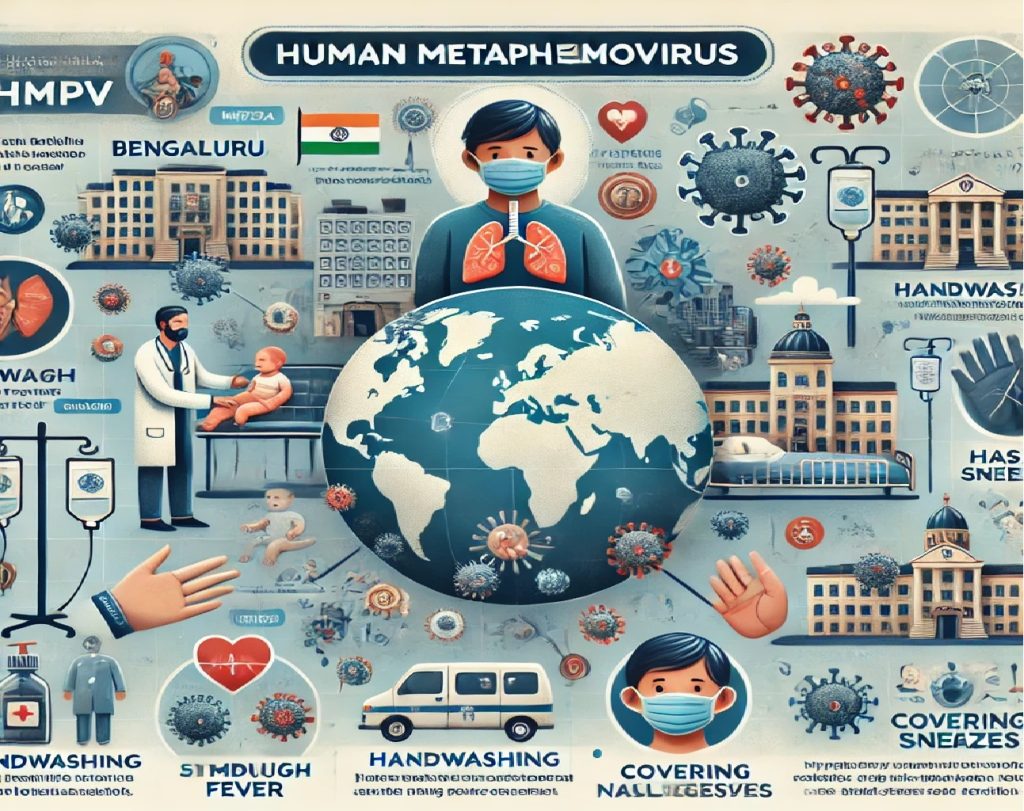
What Are the Symptoms of HMPV Virus and How Can You Protect Yourself?
As the world continues to navigate through various respiratory viruses, one that has recently come into focus is the HMPV virus, or Human Metapneumovirus. This virus primarily targets our upper and lower respiratory tracts, making it a concern for many individuals, especially those with weakened immune systems or underlying health conditions. With symptoms that mimic the common cold or flu, it’s essential to stay informed about how to recognize HMPV and what steps you can take to protect yourself and your loved ones. Understanding HMPV virus symptoms detected in India will empower you with knowledge during this challenging time. Let’s dive into what you need to know!
What Are the Symptoms of HMPV Virus and How Can You Protect Yourself?
HMPV virus symptoms can be quite similar to those of the flu or a common cold, making it tricky to identify. Individuals infected with HMPV may experience fever, cough, nasal congestion, and sore throat. In some cases, they might also face shortness of breath or wheezing. These respiratory symptoms can vary in severity depending on the person’s health status.
Those at greater risk include young children and older adults, as well as individuals with chronic lung diseases or weakened immune systems. For these vulnerable groups, HMPV can lead to more severe illness and complications. It’s essential for everyone to remain vigilant about their health during this time.
Transmission occurs mainly through respiratory droplets from coughing or sneezing by an infected individual. Close personal contact can also facilitate the spread of the virus, so practicing good hygiene is crucial.
Currently, there are no specific antiviral treatments available for HMPV; management typically focuses on symptom relief. Staying hydrated and resting adequately helps speed up recovery.
To protect yourself against HMPV infection, frequent handwashing is key alongside avoiding close contact with sick individuals. Wearing masks in crowded places may further reduce your risk of exposure while maintaining social distance whenever possible will enhance your safety measures.
The Indian Council of Medical Research (ICMR) has recently confirmed two cases of Human Metapneumovirus (HMPV) in Karnataka. These cases were detected during routine surveillance conducted at Bengaluru Baptist Hospital, as part of ICMR’s comprehensive monitoring of respiratory illnesses across the country.
HMPV Cases in India: Key Details
Two cases of HMPV have been reported in Bengaluru, marking the first documented instances of this respiratory virus in India. An eight-month-old infant is currently recovering in the hospital, while a three-month-old baby has already been discharged. These detections coincide with an ongoing surge of HMPV cases in China, where multiple viruses—including influenza A, Mycoplasma pneumoniae, and COVID-19—are circulating. Reports from social media highlight overwhelmed hospitals in China, with numerous individuals suffering from severe respiratory conditions.
What is Human Metapneumovirus (HMPV)?
HMPV, first identified in 2001, is a respiratory virus that causes flu-like symptoms. While it can affect individuals of all ages, the most vulnerable groups include:
- Young children under five years old
- Older adults
- People with weakened immune systems
Recognizing HMPV Symptoms
HMPV symptoms are often similar to those of the flu or common cold. They typically appear three to six days after exposure to the virus. Common symptoms include:
- Cough
- Fever
- Nasal congestion
- Shortness of breath
- Sore throat
In severe cases, individuals may experience worsening symptoms, such as persistent cough, wheezing, and significant breathing difficulties. Hospitalization might be required for those with severe illness.
How HMPV Spreads
Human Metapneumovirus is highly contagious and spreads through various modes, including:
- Direct Contact: Shaking hands or other physical interactions with an infected individual.
- Respiratory Droplets: Coughing and sneezing release virus-laden droplets into the air.
- Contaminated Surfaces: Touching surfaces or objects with the virus and then touching the face.
Differentiating HMPV from the Common Cold
While HMPV symptoms closely resemble those of a common cold, the virus can cause severe illness, especially in individuals experiencing their first infection. Subsequent infections are typically milder but can still pose risks to high-risk populations.
Treatment and Vaccination for HMPV
Currently, there is no specific vaccine or antiviral treatment for HMPV. Management focuses on relieving symptoms, including:
- Over-the-counter medications for fever and congestion
- Adequate hydration
- Rest
For severe cases, medical professionals may recommend oxygen therapy or hospitalization to manage complications.
Prevention Tips for HMPV and Other Respiratory Illnesses
Preventing HMPV involves adopting good hygiene practices and minimizing exposure to the virus. Follow these expert-recommended tips:
- Frequent Handwashing: Wash your hands thoroughly with soap and water for at least 20 seconds. If soap is unavailable, use an alcohol-based hand sanitizer.
- Cover Coughs and Sneezes: Always cover your mouth and nose with a tissue or your elbow when coughing or sneezing to prevent the spread of droplets.
- Wear a Mask: Consider wearing a mask in crowded or high-risk environments.
- Avoid Close Contact: Stay away from individuals showing symptoms of respiratory illness.
- Avoid Touching Your Face: Refrain from touching your eyes, nose, and mouth with unwashed hands.
- Self-Isolate When Sick: If you’re experiencing symptoms, stay at home to prevent spreading the virus to others.
Special Precautions for High-Risk Individuals
People with preexisting lung conditions or weakened immune systems should take extra care. They should strictly adhere to preventive measures and consult healthcare providers promptly if symptoms appear.
The Global Impact of HMPV
While India has reported its first two cases, the global spread of HMPV highlights the importance of vigilance and awareness. In China, the virus is contributing to a surge in respiratory illnesses, overwhelming healthcare systems and posing challenges for public health authorities. India’s health ministry and surveillance programs, like those by the ICMR, play a critical role in identifying and containing such infections.
HMPV primarily affects the upper and lower respiratory tracts and is particularly concerning for vulnerable groups.
HMPV, or human metapneumovirus, is a viral infection that predominantly targets the upper and lower respiratory tracts. Its impact can be quite significant, especially among certain populations. Understanding this virus is crucial for effective management and protection.
The primary symptoms often mimic those of other respiratory illnesses. This makes it challenging to diagnose without proper testing. Individuals may experience cough, fever, wheezing, and nasal congestion—common signs of respiratory distress.
Vulnerable groups are particularly at risk when infected with HMPV. Infants, older adults, and individuals with underlying health conditions face greater complications. Their immune systems may struggle to fight off the virus effectively.
Infected patients sometimes require hospitalization due to severe breathing difficulties or dehydration from persistent coughing. The need for medical attention underscores the importance of awareness about HMPV’s potential severity.
Preventative measures become critical in protecting these high-risk populations. By understanding how HMPV affects their bodies specifically, caregivers can take appropriate steps to reduce exposure and keep them safe from this concerning virus.
HMPV primarily affects the upper and lower respiratory tracts and is particularly concerning for vulnerable groups.
HMPV, or human metapneumovirus, is a virus that primarily targets the upper and lower respiratory tracts. This makes it particularly concerning for individuals with pre-existing health conditions. Those who suffer from asthma, chronic obstructive pulmonary disease (COPD), or other respiratory issues may experience heightened severity when infected.
Infants and older adults are also at greater risk due to their weaker immune systems. In these vulnerable groups, HMPV can lead to more serious complications such as pneumonia or bronchiolitis. Hospitalization rates spike during outbreaks, highlighting the virus’s potential danger.
The symptoms of HMPV often resemble those of common colds and flu-like illnesses. Coughing, sneezing, fever, and nasal congestion are among the most typical signs people exhibit when infected. However, in high-risk populations, even mild symptoms can escalate quickly into severe respiratory distress.
Understanding how this virus manifests is crucial for early detection and treatment options. Awareness allows caregivers to recognize warning signs promptly so they can seek medical attention without delay.
Protecting yourself and your loved ones from HMPV involves knowing its impacts on various demographics—especially those deemed vulnerable—and taking appropriate precautions accordingly.
HMPV symptoms are similar to those of flu or common cold. It can spread from an infected individual to others through coughing, sneezing or personal contact.
HMPV, or Human Metapneumovirus, presents symptoms that closely resemble those of the flu and common cold. This can make it challenging to identify without further testing. Individuals may experience a range of respiratory issues such as cough, nasal congestion, and sore throat.
In addition to these typical symptoms, HMPV can also lead to fever and fatigue. As with other viral infections, the severity of symptoms can vary from person to person. Some may have mild discomfort while others could feel significantly unwell.
One critical aspect of HMPV is its contagious nature. It spreads easily from one person to another through simple actions like coughing or sneezing. Close personal contact—such as hugging or shaking hands—also contributes to its transmission.
The virus thrives in environments where people gather closely together. Schools, offices, and public transportation are prime areas for potential outbreaks as infected individuals unknowingly spread the virus around them.
Being aware of these similarities between HMPV symptoms and more common illnesses is crucial for timely recognition and prevention efforts in communities affected by this virus.
Symptoms of HMPV:
HMPV, or human metapneumovirus, presents symptoms that can easily be mistaken for other respiratory illnesses. Typically, it begins with a mild cough and runny nose. These initial signs often lead many to think they have the common cold.
As the virus progresses, individuals may experience fever and chills. This can cause discomfort and fatigue as the body fights off the infection. Some people also report sore throats during this stage.
Wheezing is another symptom associated with HMPV. It indicates airway inflammation and can make breathing more difficult for those affected. In young children or elderly patients, wheezing might become pronounced.
Shortness of breath is a concerning sign that should not be overlooked. For vulnerable populations, such as infants and seniors, it’s crucial to seek medical attention if this symptom arises.
Some infected individuals may experience gastrointestinal issues like nausea or diarrhea. While these aren’t primary symptoms of HMPV, they highlight how diverse viral infections can present themselves in different ways.
How HMPV is transmitted?
HMPV, or human metapneumovirus, spreads primarily through respiratory droplets. When an infected person coughs or sneezes, tiny droplets containing the virus are released into the air. These can be inhaled by those nearby, leading to potential infection.
Direct contact with contaminated surfaces is another mode of transmission. The virus can survive on various surfaces for hours. If someone touches a surface and then their face—particularly their mouth, nose, or eyes—they may introduce the virus into their system.
Close personal interactions also facilitate the spread of HMPV. Sharing utensils or engaging in activities that involve close proximity increases risk significantly. It’s crucial to maintain some distance from individuals exhibiting symptoms like coughing and sneezing.
Children and older adults are particularly vulnerable due to weaker immune systems. In crowded settings such as schools or nursing homes, outbreaks can occur more rapidly.
Understanding how this virus spreads helps in taking necessary precautions during peak seasons when infections rise sharply across communities.
Treatment and vaccination
Currently, there is no specific antiviral treatment for HMPV. Supportive care remains the primary approach for managing symptoms and aiding recovery. This may include rest, fluids, and over-the-counter medications to ease discomfort.
For those with mild cases of HMPV, home management can be sufficient. Staying hydrated helps thin mucus secretions and alleviate congestion. Using a humidifier in your room can also provide relief by keeping the air moist.
In more severe cases or among vulnerable populations such as infants or older adults, hospitalization might be necessary. Medical professionals may administer oxygen therapy if respiratory distress occurs.
As of now, research into vaccines specifically targeting HMPV is ongoing but has not yet yielded effective options available for public use. The scientific community recognizes the need for preventive measures against this virus due to its potential impact on health systems.
Preventive strategies primarily revolve around good hygiene practices rather than vaccination at this stage. Keeping hands clean and avoiding close contact with infected individuals are essential steps everyone should take to minimize transmission risk.
How to differentiate between common cold and HMPV
Differentiating between the common cold and HMPV can be tricky due to their overlapping symptoms. Both conditions affect the respiratory tract, but subtle signs can help distinguish them.
The onset of symptoms can vary significantly. A typical cold often starts gradually with a sore throat or runny nose, while HMPV may present more abruptly with fever and cough. Pay attention to how quickly you feel unwell.
Fever is another distinguishing factor. Cold viruses usually don’t cause high fevers, whereas HMPV infections often lead to moderate or high temperatures in affected individuals, especially in children and older adults.
Coughing intensity also differs; colds typically result in mild coughing, while HMPV tends to induce a more persistent and severe cough that could last longer than usual.
Consider additional symptoms like wheezing or shortness of breath associated with HMPV that are less common with a simple cold. If you experience these signs alongside other respiratory issues, it’s essential to consult healthcare professionals for proper diagnosis and care.
Tips to prevent HMPV:
Preventing HMPV requires a proactive approach, especially during peak respiratory virus seasons. Simple hygiene practices can make a significant difference. Regular hand washing with soap and water for at least 20 seconds is essential. If soap isn’t available, an alcohol-based hand sanitizer works well.
Avoid close contact with individuals showing symptoms of respiratory illness. This includes refraining from sharing personal items like utensils or towels. Cover your mouth and nose when coughing or sneezing, using either a tissue or the inside of your elbow to prevent droplets from spreading.
Cleaning frequently touched surfaces in your home can also help limit transmission risks. Consider wearing masks in crowded places where maintaining social distance might be challenging.
Staying hydrated and maintaining good nutrition strengthens your immune system, making it better equipped to fight off viruses like HMPV. Annual vaccinations for flu and other respiratory illnesses are also advisable as they may provide some indirect protection against co-infections.
Being informed about hmpv virus symptoms detected in India helps you stay vigilant while practicing these preventive measures enhances safety for yourself and those around you.