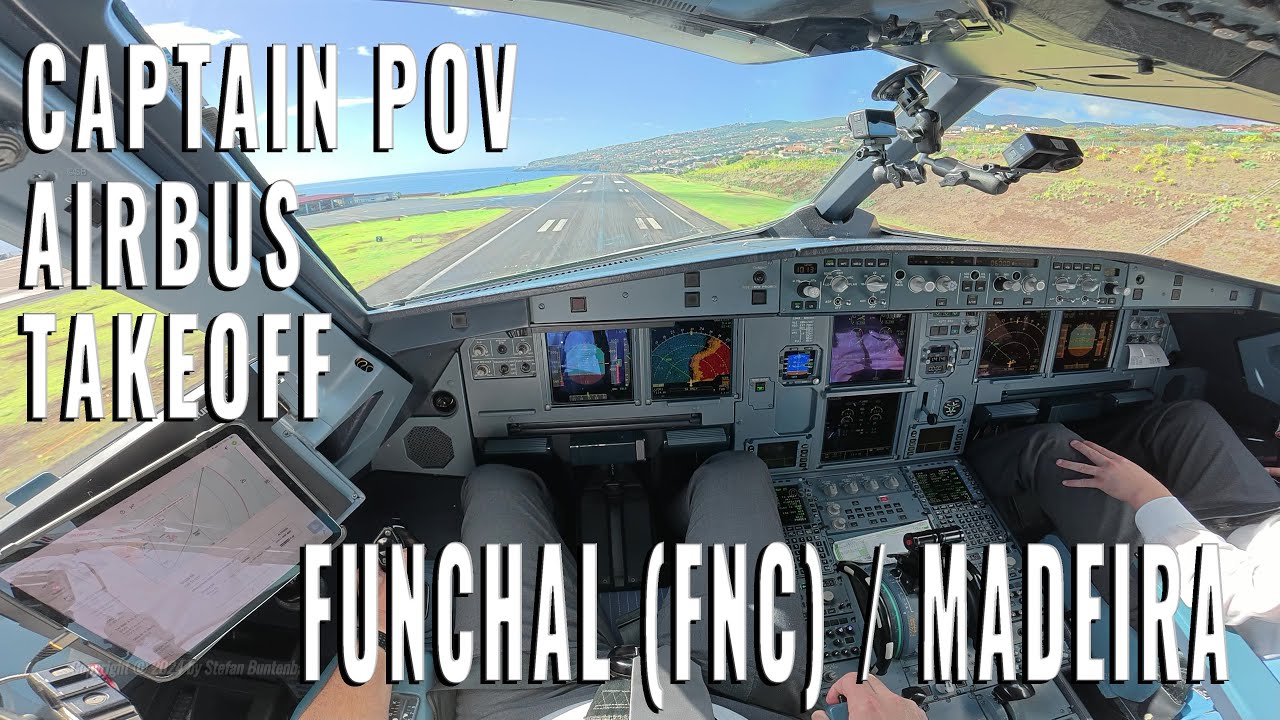
The Shocking 10 Minute Pilotless Lufthansa Flight
Introduction: A Terrifying Mid-Air Crisis
Imagine soaring 30,000 feet above the ground, sipping coffee or flipping through an in-flight magazine, unaware that no one is at the controls of your aircraft. On February 17, 2024, this nightmare became reality for 199 passengers aboard a Lufthansa Airbus A321 en route from Frankfurt, Germany, to Seville, Spain. For 10 heart-stopping minutes, the plane flew without a pilot after the first officer fainted, leaving the cockpit unmanned while the captain was locked out, unable to access the flight deck. This article uncovers the details of this harrowing incident, explores the factors that led to it, and examines how Lufthansa and aviation authorities responded to ensure such an event never happens again.
Why This Incident Matters
The Lufthansa pilotless flight incident underscores the critical importance of pilot health monitoring, cockpit access protocols, and redundancy in flight operations. With air travel being one of the safest modes of transportation, an event like this—where a commercial jet operates without human control for an extended period—shakes public confidence and prompts scrutiny of airline safety standards. By analyzing the causes, responses, and lessons learned, we aim to provide a definitive resource for travelers, aviation enthusiasts, and industry professionals seeking answers.
The Incident: A Timeline of Events
The Lufthansa flight, operating as an Airbus A321, departed Frankfurt on a routine journey to Seville. With 30 minutes of flight time remaining, the captain, a 43-year-old seasoned pilot, left the cockpit to use the lavatory, leaving the 38-year-old first officer in charge. What followed was a sequence of events that could have ended in catastrophe but was mitigated by a combination of autopilot technology, quick thinking, and sheer luck.
The Captain’s Brief Absence
According to the CIAIAC report, the captain confirmed that the first officer appeared alert and healthy when he stepped away. With the aircraft cruising stably under autopilot, the captain deemed it safe to leave the flight deck for a brief moment. This decision, while standard in aviation, set the stage for an unforeseen crisis.
The First Officer’s Sudden Collapse
Moments after the captain’s departure, the first officer experienced a sudden and severe loss of consciousness. The CIAIAC investigation revealed that the co-pilot, who had no prior history of similar episodes, suffered from an undiagnosed neurological condition. The collapse was so abrupt that he couldn’t alert the crew or activate any emergency protocols. For approximately 10 minutes, the aircraft flew without a conscious pilot, relying solely on its autopilot system.
The Captain’s Alarming Discovery
Eight minutes after leaving, the captain returned to the cockpit but found himself locked out. Despite entering the correct security code, the door remained shut—a chilling moment that underscored the limitations of post-9/11 cockpit security measures designed to prevent unauthorized access. Frantic, the captain used the intercom to contact the flight deck, but received no response. As panic set in, he entered an emergency access code, coinciding with the first officer regaining consciousness and manually opening the door.
Emergency Response and Diversion
Upon re-entering the cockpit, the captain found the first officer pale, sweating, and disoriented. Recognizing the severity of the situation, he immediately called for assistance from the cabin crew. A doctor, who happened to be a passenger, stepped forward to provide first aid and suspected a possible heart or neurological issue. The captain took control of the aircraft and diverted it to Madrid-Barajas Airport, the closest facility equipped to handle the medical emergency. The first officer was rushed to a hospital, where doctors confirmed a neurological condition that led to his medical certificate being suspended.
The Role of Autopilot: A Silent Hero
One of the most remarkable aspects of this incident is that the aircraft remained stable despite the absence of a pilot. This was largely due to the Airbus A321’s advanced autopilot system, which maintained the plane’s altitude, heading, and speed during the crisis.
How Autopilot Works
Autopilot systems in modern commercial aircraft are designed to handle routine flight operations, reducing pilot workload during cruising phases. They rely on a combination of sensors, computers, and actuators to keep the plane on its programmed flight path. In this case, the autopilot ensured the aircraft continued flying safely, even as the first officer unintentionally interacted with the controls during his collapse.
Strange Noises on the Cockpit Voice Recorder
The CIAIAC report noted that the cockpit voice recorder captured unusual noises during the 10-minute period, consistent with an acute health emergency. These sounds, likely caused by the first officer’s involuntary movements, did not disrupt the autopilot’s functionality, highlighting the robustness of the system.
The Investigation: Uncovering the Cause
Following the incident, both the Spanish aviation authority (CIAIAC) and Lufthansa’s flight safety department launched thorough investigations to determine the root cause and prevent future occurrences.
The First Officer’s Medical Condition
The first officer’s sudden incapacitation was traced to a previously undiagnosed neurological condition. Medical evaluations conducted after the incident revealed abnormalities that had gone undetected during routine aviation medical exams. This raised questions about the adequacy of current pilot health screening protocols, particularly for conditions that may not present symptoms until a critical moment.
Cockpit Access Challenges
The captain’s inability to re-enter the cockpit for several minutes exposed a potential flaw in secure cockpit door systems. While these doors are designed to protect against external threats, they can inadvertently delay access in emergencies. The investigation recommended reviewing access protocols to balance security with the need for rapid re-entry by authorized crew members.
Lufthansa’s Response
Lufthansa confirmed awareness of the CIAIAC report and noted that its internal investigation reached similar conclusions. The airline emphasized its commitment to safety, stating that it has implemented additional training and procedural updates to address the incident’s findings. However, specific details of these changes remain undisclosed, as is common in proprietary safety reviews.
Broader Implications for Aviation Safety
The Lufthansa incident is a stark reminder that even the most robust systems can face unexpected challenges. It has sparked discussions across the aviation industry about pilot health, cockpit protocols, and the reliance on automation.
Strengthening Pilot Health Monitoring
Routine medical examinations for pilots are rigorous, but this incident highlights the need for more advanced screening techniques to detect latent conditions. Technologies such as continuous health monitoring devices or enhanced neurological assessments could play a role in identifying risks before they manifest in flight.
Revisiting Cockpit Access Protocols
The delay in the captain’s re-entry to the cockpit underscores the need for a failsafe mechanism that allows rapid access in emergencies without compromising security. Potential solutions include biometric authentication or secondary access codes that bypass standard delays.
The Role of Automation in Crisis Management
While the autopilot system prevented a disaster in this case, the incident raises questions about the extent to which airlines rely on automation. Future advancements in artificial intelligence and autonomous flight systems could further enhance safety, but they must be balanced with human oversight to address unpredictable scenarios.
Passenger Perspectives: Trust in Air Travel
For the 199 passengers aboard the Lufthansa flight, the incident likely went unnoticed until after landing, thanks to the autopilot’s stability and the crew’s professionalism. However, the public disclosure of the event has sparked concern among travelers about the safety of air travel.
Rebuilding Confidence
Airlines like Lufthansa must proactively communicate their safety measures to reassure passengers. Transparency about incidents, coupled with visible improvements, can help maintain public trust. For instance, Lufthansa could highlight its updated training programs or investments in health monitoring technologies to demonstrate its commitment to safety.
The Human Element in Aviation
This incident serves as a reminder that aviation, despite its technological advancements, relies heavily on human performance. Pilots, cabin crew, and ground staff all play critical roles in ensuring safe operations, and their well-being must be prioritized.
Lessons Learned: Preventing Future Incidents
The Lufthansa pilotless flight incident offers valuable lessons for airlines, regulators, and the aviation community. By addressing the root causes and implementing proactive measures, the industry can further enhance its safety record.
Enhanced Medical Screening
Airlines and regulatory bodies should explore advanced diagnostic tools to detect neurological and cardiovascular conditions in pilots. Regular stress tests, brain scans, or wearable health monitors could provide early warnings of potential issues.
Improved Cockpit Access Systems
Aviation authorities should collaborate with aircraft manufacturers to develop cockpit door systems that prioritize both security and emergency access. Solutions such as time-limited override codes or dual-authentication mechanisms could prevent delays in critical situations.
Crew Resource Management Training
The incident highlights the importance of crew resource management (CRM), which emphasizes effective communication and coordination among flight crews. Enhanced CRM training could prepare pilots and cabin crew to respond more effectively to medical emergencies or unexpected absences.
Public Awareness and Education
Airlines should educate passengers about the robustness of modern aircraft systems, such as autopilot, to alleviate fears about incidents like this. Clear communication about safety protocols can empower travelers to feel confident in the skies.
Conclusion: A Wake-Up Call for Aviation
The 10-minute pilotless Lufthansa flight in February 2024 was a rare and unsettling event that exposed vulnerabilities in aviation safety protocols. While the autopilot system and the captain’s quick response prevented a tragedy, the incident serves as a wake-up call for the industry to address gaps in pilot health monitoring, cockpit access, and emergency procedures. By learning from this event, airlines like Lufthansa can strengthen their safety measures, ensuring that passengers continue to trust in the safety of air travel.
As the aviation industry evolves, incidents like this remind us of the delicate balance between technology and human performance. With proactive changes and a commitment to transparency, airlines can turn this near-miss into an opportunity to build a safer, more resilient future for air travel.




![Introduction to HDB Financial Services IPO HDB Financial Services, a leading non-banking financial company (NBFC) and a key subsidiary of HDFC Bank, launched its highly awaited initial public offering (IPO) from June 25 to June 27, 2025. Valued at ₹12,500 crore, the IPO comprises a fresh issue of ₹2,500 crore and an offer for sale (OFS) of ₹10,000 crore by HDFC Bank. The issue, priced between ₹700 and ₹740 per share with a lot size of 20 shares, has drawn robust demand across investor categories, particularly from qualified institutional buyers (QIBs), who subscribed 55.47 times. This article explores the IPO’s performance, grey market trends, listing expectations, and strategic considerations for investors. Key Details of the HDB Financial Services IPO The HDB Financial Services IPO stands out as one of the largest NBFC IPOs in recent years, reflecting strong investor confidence in India’s financial sector. Here’s a breakdown of the IPO’s core components: IPO Size: ₹12,500 crore, including ₹2,500 crore fresh issue and ₹10,000 crore OFS. Price Band: ₹700–₹740 per share. Lot Size: 20 shares per application. Subscription Dates: June 25–27, 2025. Allotment Date: Finalized on June 30, 2025. Listing Date: July 2, 2025, on BSE and NSE. Subscription Status: Oversubscribed 16.69 times, with QIBs at 55.47 times, non-institutional investors (NIIs) at 10 times, and retail investors at 1.41 times. Registrar: MUFG Intime India Pvt Ltd (Link Intime). Book-Running Lead Manager: BNP Paribas. The IPO’s structure, with a significant OFS component, indicates a partial exit by HDFC Bank, which currently holds a 94.36% stake in HDB Financial Services. The fresh issue will bolster the company’s capital base, supporting its expansion in the competitive NBFC market. Understanding Grey Market Premium (GMP) and Its Significance The grey market premium (GMP) serves as an unofficial indicator of investor sentiment and expected listing performance in the unlisted market. For the HDB Financial Services IPO, GMP trends have fluctuated, reflecting dynamic market conditions and investor expectations. Latest GMP Updates for HDB Financial Services IPO As of July 1, 2025, GMP reports for the HDB Financial Services IPO vary across sources, painting a picture of cautious optimism: July 1, 7:32 PM: GMP at ₹73, suggesting an estimated listing price of ₹813 (9.86% gain over the ₹740 upper price band). July 1, 5:32 PM: GMP at ₹76, indicating a listing price of ₹816 (10.27% gain). July 1, 3:36 PM: GMP at ₹74, projecting a listing price of ₹814 (10% gain). July 1, Morning: GMP at ₹57, implying a listing price of ₹797 (7.7% gain). June 30, 9:34 PM: GMP at ₹68, forecasting a listing price of ₹808 (9.19% gain). June 27, 11:32 AM: GMP at ₹65, suggesting a listing price of ₹805 (8.78% gain). June 27, Morning: GMP at ₹50, indicating a listing price of ₹790 (6.76% gain). The GMP has shown an upward trend over the past 19 sessions, with a peak of ₹104.50 and a low of ₹0, signaling bullish sentiment ahead of the listing. However, investors should note that GMP is speculative and not an official metric, as it reflects unlisted market trading activity. Why GMP Matters for Investors The GMP offers insights into market expectations for the IPO’s listing performance. A high GMP, like the ₹73–₹76 range seen on July 1, suggests strong demand and potential listing gains. Conversely, a declining GMP, as observed on June 27 (from ₹75 to ₹50), may indicate weakening sentiment or market volatility. For HDB Financial Services, the consistent GMP range of ₹57–₹76 in the days leading up to the listing points to a potential 7.7% to 10.27% gain, making it an attractive opportunity for allottees. Listing Expectations for HDB Financial Services IPO With the listing scheduled for July 2, 2025, at 10:00 AM on BSE and NSE, investors are eager to understand the potential outcomes. Here’s a detailed analysis of what to expect: Bullish Market Sentiment The Indian stock market has exhibited positive momentum, with the Nifty sustaining above 25,000 levels, reflecting investor optimism. Global cues, including a 0.91% gain in the Dow Jones Industrial Average (DJIA) and a 5% monthly uptrend, further bolster confidence. This positive market environment is likely to support a strong debut for HDB Financial Services, particularly given its robust subscription numbers and institutional backing. Expected Listing Gains Based on the latest GMP data, HDB Financial Services shares are expected to list between ₹797 and ₹816, translating to a 7.7% to 10.27% premium over the ₹740 upper price band. For a single lot of 20 shares, this could yield a listing gain of approximately ₹1,140 to ₹1,520 per lot. Analysts from Mirae Asset Capital Markets and other brokerage firms recommend subscribing to the IPO, citing its reasonable valuation at 3.5 times price-to-book value and potential for healthy listing gains. Factors Influencing Listing Performance Several factors will shape the IPO’s listing performance: Market Conditions: A positive trend in the first 90 minutes of trading on July 2 could amplify listing gains, while any unexpected volatility may temper expectations. Subscription Strength: The 16.69x oversubscription, driven by QIBs, signals strong institutional confidence, likely supporting a premium listing. Issue Size: The large ₹12,500 crore issue size may limit post-listing liquidity, potentially capping immediate upside but ensuring long-term stability. Valuation: At ₹740, the IPO is valued at approximately ₹61,400 crore, which analysts consider reasonable given HDB’s asset under management (AUM) of ₹1,10,000 crore and strong financial performance. Good News and Bad News for Investors The HDB Financial Services IPO presents a mix of opportunities and challenges, depending on investor categories and strategies. Good News for Allottees Investors who secured allotments, particularly high-net-worth individuals (HNIs) and retail investors, stand to benefit from the anticipated listing gains. The strong subscription and positive GMP trends suggest a high probability of a 7–10% premium on listing day. Retail investors, who applied under the 35% retail quota or the shareholder quota (10% reserved for HDFC Bank shareholders), have a favorable chance of allotment due to the moderate 1.41x retail subscription. For those who applied, the listing could deliver immediate returns, with potential for further upside if the market sustains its bullish trend. Bad News for Non-Allottees For investors who missed out on applying or did not receive allotments, the IPO presents a challenge. The high GMP and expected premium listing mean that buying opportunities on listing day may be limited, especially if the stock opens significantly above the issue price. Analysts suggest that non-allottees may need to wait for a post-listing dip to enter at a more favorable valuation, particularly if valuations appear stretched above 10% listing gains. However, the large issue size and strong institutional backing could maintain upward momentum, reducing the likelihood of significant corrections immediately after listing. Strategic Considerations for Investors Whether you’re an allottee or planning to buy post-listing, strategic planning is crucial to maximize returns and manage risks. Here are actionable insights for different investor categories: For Allottees: Capitalizing on Listing Gains Hold for Listing Gains: Given the GMP range of ₹57–₹76, allottees should consider holding until listing to realize the projected 7.7–10.27% gains. Selling on listing day could lock in profits, especially if the stock opens above ₹810. Monitor Market Trends: Watch the first 90 minutes of trading on July 2. A positive market trend could push the stock higher, while volatility may warrant a cautious approach. Long-Term Perspective: HDB Financial Services’ strong fundamentals, backed by HDFC Bank, make it a compelling long-term investment. Analysts recommend holding for investors with a 1–2 year horizon, as the NBFC sector is poised for growth. For Non-Allottees: Timing the Entry Wait for a Dip: If the stock lists above ₹810, non-allottees should monitor for a post-listing correction, which could offer a buying opportunity at a lower valuation. Set Stop-Loss Levels: For short-term traders, a strict stop-loss strategy is essential to mitigate risks in case of unexpected volatility. Aim for small quantities to manage exposure. Evaluate Valuations: If the listing gain exceeds 10%, the stock’s valuation may appear high. Compare the price-to-book value and market conditions before entering. For Long-Term Investors HDB Financial Services’ position as a leading NBFC with a ₹1,10,000 crore AUM and strong parentage makes it a robust long-term investment. The IPO’s reasonable valuation and the Reserve Bank of India’s push for large NBFCs to list enhance its credibility. Investors should focus on the company’s growth potential, driven by its diverse loan portfolio and expansion plans funded by the fresh issue. How to Check HDB Financial Services IPO Allotment Status Investors can verify their allotment status through multiple platforms, ensuring transparency and ease of access. Here’s a step-by-step guide: Checking Allotment on MUFG Intime (Link Intime) Visit the MUFG Intime India website: https://in.mpms.mufg.com/Initial_Offer/public-issues.html. Select “HDB Financial Services” from the dropdown menu. Enter your IPO application number and PAN details. Click “Submit” to view your allotment status. Checking Allotment on BSE Go to the BSE IPO allotment page: [BSE IPO Allotment Link]. Select “Equity and SME IPO Bids.” Choose “HDB Financial Services” from the dropdown. Enter your application number and PAN details. Submit to check your status. Checking Allotment on NSE Visit the NSE bid verification page: https://www.nseindia.com/invest/check-trades-bids-verify-ipo-bids. Select “HDB Financial Services” from the list. Input your application number and PAN details. Submit to view your allotment status. Allotments were finalized on June 30, 2025, with shares credited to demat accounts by July 1. Non-allottees received refunds on the same day. Market Context and Global Influences The HDB Financial Services IPO’s performance is closely tied to broader market dynamics. Here’s how domestic and global factors are shaping expectations: Domestic Market Strength The Nifty’s sustained performance above 25,000 and positive consolidation in recent sessions signal a favorable environment for IPO listings. The strong subscription for HDB Financial Services, particularly from QIBs, reflects confidence in India’s NBFC sector, bolstered by regulatory support for public listings. Global Market Cues Positive momentum in the U.S. markets, with the DJIA closing at 44,994 (up 0.91%) and a 5% monthly gain, provides a supportive backdrop. Easing global tensions and favorable domestic cues further enhance optimism for a strong listing. Risks to Watch While the outlook is positive, investors should remain cautious of potential risks: Valuation Concerns: The IPO’s price band of ₹740 is 40% lower than pre-IPO unlisted market prices of ₹1,225, raising concerns for early investors who may face losses. Market Volatility: Unexpected global or domestic events could impact listing day performance. Liquidity Constraints: The large issue size may limit post-listing liquidity, affecting short-term price movements. Analyst Recommendations and Insights Brokerages and analysts have largely endorsed the HDB Financial Services IPO, citing its strong fundamentals and market positioning: Mirae Asset Capital Markets: Highlights the IPO’s reasonable valuation and potential for healthy listing gains, recommending a “subscribe” rating. Kunvarji Finstock, Aditya Birla Money, and Others: Assign a “subscribe” tag, emphasizing the company’s growth prospects and institutional demand. Arun Kejriwal, Kejriwal Research: Notes that while HDB Financial Services is a strong contender, investors should exercise caution when comparing it to other sector IPOs. Analysts advise investors to focus on long-term potential while monitoring GMP trends and market conditions for short-term strategies. Conclusion: Navigating the HDB Financial Services IPO The HDB Financial Services IPO represents a landmark event in India’s NBFC sector, offering investors a chance to participate in a high-growth financial entity backed by HDFC Bank. With a GMP range of ₹57–₹76 and an expected listing price of ₹797–₹816, the IPO promises attractive listing gains of 7.7–10.27%. Allottees stand to benefit from the bullish market sentiment, while non-allottees should strategically time their entry to optimize returns. For long-term investors, HDB Financial Services’ robust AUM, diversified portfolio, and regulatory backing make it a compelling addition to portfolios. However, caution is advised due to potential valuation risks and market volatility. By staying informed through allotment checks and market updates, investors can make well-informed decisions to capitalize on this blockbuster IPO. Stay tuned for real-time updates on the listing performance and market trends to refine your investment strategy. Whether you’re an allottee celebrating potential gains or a prospective buyer planning your entry, the HDB Financial Services IPO is a pivotal opportunity in the 2025 IPO landscape.](https://www.tgnns.com/wp-content/uploads/2025/07/HDB-Financial-Services-IPO-Latest-GMP-Listing-Expectations-and-Market-Insights-768x432.jpg)