Lakshadweep Tourism Soars Despite Maldivian Politicians’ Controversial Comments
BoycottMaldives on Modi Remarks at Lakshadweep, the pristine archipelago nestled in the Arabian Sea, has become the talk of the town on social media. The stir began when politicians from the Maldives ignited a furor by directing derogatory comments towards Prime Minister Narendra Modi and ridiculing his efforts to promote Lakshadweep as a premier tourist destination for Indians. Let’s delve into the unfolding controversy and the unexpected boost it has given to Lakshadweep’s tourism.
Maldivian Leaders Spark Outrage with Racist Remarks
Maldivian politician Zahid Rameez and Minister Mariyam Shiuna stirred up a storm with their racist remarks aimed at Indians, particularly targeting Prime Minister Narendra Modi. The derogatory comments, coupled with mockery of Lakshadweep as a tourist spot, triggered widespread condemnation, leading to the hashtag #BoycottMaldives gaining traction on social media platforms.
Indians Unite Against Hate: Social Media Backlash
The anti-India sentiments expressed by Maldivian leaders provoked a strong response from Indians, including celebrities, who took to social media to express their discontent. Notable figures, such as actor Akshay Kumar, condemned the hate-filled remarks and called for supporting India’s tourism.
Celebrities Rally for Indian Tourism
In response to the controversy, celebrities shared captivating images of the picturesque Lakshadweep islands, promoting Indian tourism and countering the negative narrative. Akshay Kumar urged fellow citizens to prioritize their own nation’s tourism, stating, “Let us decide to #ExploreIndianIslands and support our own tourism.”
Impact on Planned Trips: Indians React
The controversy had a tangible impact on planned trips to the Maldives, with several Indians, including a user planning a birthday celebration in the Maldives, canceling their travel arrangements. The sentiment of #BoycottMaldives resonated strongly as individuals chose to redirect their tourism preferences.
Maldivian Accusations and Comparison with Sri Lanka
Maldivian politician Zahid Rameez, a member of the Progressive Party of Maldives (PPM), accused India of imitating Sri Lanka’s economic model to capitalize on Lakshadweep’s tourism potential. This allegation added fuel to the fire, intensifying the diplomatic tension between the two nations.
Lakshadweep vs. Maldives: Social Media Showdown
As images of PM Modi’s visit and snorkeling escapades in Lakshadweep gained attention, social media became a battleground for comparisons between Lakshadweep and the Maldives. The unexpected consequence was a surge in interest in Lakshadweep, making it the most searched tourist destination in recent days.
In conclusion, the controversy sparked by Maldivian politicians inadvertently propelled Lakshadweep into the limelight, with Indians rallying to support their own tourism. The tropical paradise, with its pristine beauty, is now emerging as a sought-after destination despite the diplomatic tensions, showcasing the resilience of India’s tourism appeal.
Maldives Government Takes Action Against Ministers for Remarks on PM Modi’s Visit
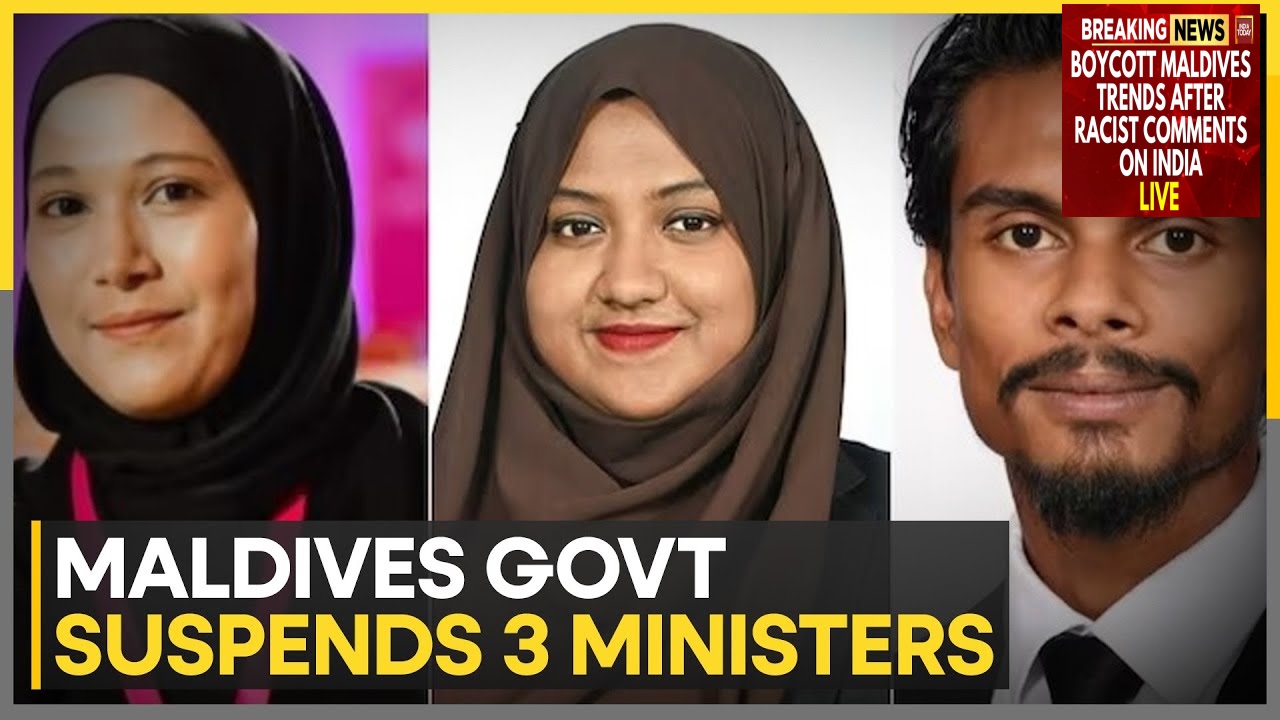
In a significant development, the Maldivian government has suspended three Deputy ministers for making derogatory remarks against India and Prime Minister Narendra Modi. This move follows New Delhi’s official expression of concerns to Maldives regarding the inappropriate comments. The affected ministers, Mariam Shiona, Malsha, and Hassan Zian, have been relieved of their duties.
Diplomatic Fallout: Condemnation and Clarifications
Official Response and Social Media Backlash
After Indian Prime Minister Modi’s visit to Lakip, disparaging remarks emerged on social media, leading to a diplomatic rift between the two neighboring countries. While Shiona deleted her tweets, the suspended Deputy minister Zihan dismissed the incident as “fake news.” The Maldivian political class condemned the actions, with Faris, the president of the Maldives Reform movement, urging the government to take action against such disrespectful behavior towards heads of state and high officials of friendly countries.
National Party’s Stand
The Maldives National Party also took to social media to denounce what they labeled as “racist and derogatory remarks.” In response, the Maldivian government issued an official statement, emphasizing that Shiona’s opinions are personal and do not represent the views of the Maldivian government. The statement further asserted that relevant authorities would not hesitate to take action against derogatory remarks in the future.
Diplomatic Correspondence and Public Outcry
India’s Reaction
India promptly raised the matter with the Maldivian government, leading to the suspension of the three ministers. The Maldivian government distanced itself from the remarks, emphasizing that they were the personal opinions of the ministers involved. Despite this clarification, the incident has caused a strain in diplomatic relations between the two countries.
Public Outcry and International Response
Internally, opposition parties in the Maldives criticized the government for not taking swift action against the ministers. Celebrities in India also condemned the racist remarks, highlighting the need for Indians to choose Lak over the Maldives for travel. The incident triggered a strong reaction on social media, intensifying the controversy.
Historical Context and Changing Dynamics
India-Maldives Relations
India has historically maintained a positive relationship with the Maldives, characterized by mutual cooperation and support. However, the current government in the Maldives has adopted an anti-India stance, deviating from past traditions. Despite India’s continued policy of “neighborhood first,” the Maldivian president’s recent visit to China signals a shift in geopolitical alignment.
Evolving Foreign Policy
The Maldivian president’s decision to visit Turkey and China instead of India marks a departure from the established norm. While India has consistently prioritized the Maldives in its foreign policy, the current government’s anti-India sentiment raises questions about the future trajectory of bilateral relations.
Conclusion: Navigating Diplomatic Challenges
As the diplomatic fallout continues, both countries face the challenge of navigating strained relations. India’s emphasis on “neighborhood first” remains unchanged, but the evolving dynamics in the Maldives present a diplomatic challenge that requires careful consideration and strategic maneuvers to restore amicable ties. The incident serves as a reminder of the delicate nature of international relations and the importance of maintaining diplomatic decorum.