


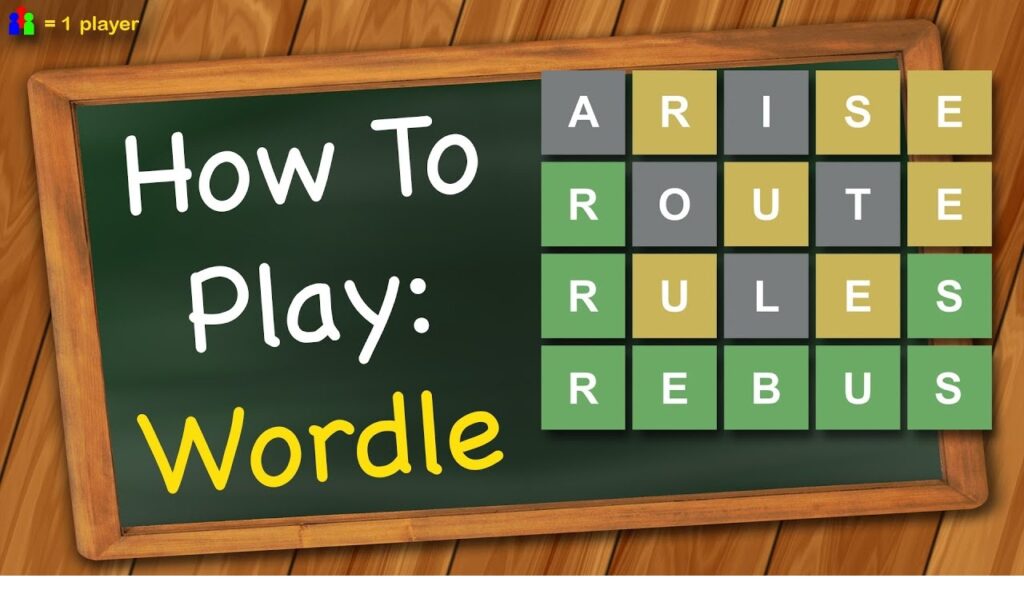
The crisp air of autumn has officially settled in, and with it comes cozy fall activities. As we bid farewell to the remnants of summer and embrace the pumpkin spice latte season, there’s another comforting ritual to partake in—playing Wordle. Today’s puzzle, Wordle #1193, offers a fresh challenge for puzzle lovers. In this guide, we’ll break down the game, provide you with useful hints, and reveal the answer at the end, in case you need a little help.
The Rise of Wordle: A Viral Success Story
Developed by Brooklyn-based software engineer Josh Wardle, Wordle made its debut in October 2021. What started as a personal project between Wardle and his partner quickly became a global sensation. By November of that year, the game had 91 players. Fast forward to January 2022, and it skyrocketed to 2 million daily users. This surge in popularity caught the attention of The New York Times, which acquired the game for a seven-figure sum, solidifying its status in the world of digital games.
How to Play Wordle: A Simple Yet Addictive Puzzle Game
The charm of Wordle lies in its simplicity. Every day, players are presented with a five-letter word they must guess within six attempts. Here’s how the feedback works:
- Green boxes: These indicate that the letter you guessed is correct and in the right position.
- Yellow boxes: You’ve got the correct letter, but it’s not in the correct spot.
- Gray boxes: The letter isn’t part of the word at all.
There’s no time limit, so players can take their time to solve the puzzle. However, the limited number of guesses adds a layer of tension that keeps it exciting.
Why Six Chances? The Perfect Balance of Challenge
When Josh Wardle created the game, he meticulously refined the gameplay to find the sweet spot between difficulty and fun. In an interview with Newsweek in January 2022, Wardle revealed that he experimented with different word lengths and numbers of guesses. He found that five letters and six guesses provided just the right amount of challenge, making players feel engaged without overwhelming them. “It’s limited enough to feel challenging,” Wardle explained, “but most of the time, people still manage to solve it, which gives them a real sense of accomplishment.”
Wordle Hints and Tips for September 24th Puzzle
Before we reveal today’s Wordle answer, let’s go over a few hints to guide you in the right direction. Remember, it’s all about strategic thinking and making the most out of each guess.
- Start with common vowels: Words in English often contain vowels like “A,” “E,” and “O.” Begin your guesses with these letters to quickly narrow down possibilities.
- Test popular consonants: Letters like “R,” “S,” and “T” frequently appear in common words. If your vowels don’t yield results, these are good options to try next.
- Use process of elimination: If you’ve got some letters right but others wrong, pay attention to the yellow and gray boxes to filter out incorrect choices. Each guess is valuable!
- Think about letter patterns: Some letter combinations are more likely to appear than others. For example, “TH,” “SH,” and “CH” are common in English words. Keep these in mind as you make your guesses.
The Wordle Solution for Tuesday, September 24th
Now that you’ve had a chance to think it through, it’s time to reveal the answer to today’s puzzle. If you still want to work it out yourself, feel free to skip this part.
The solution to Wordle #1193 is [Answer will be provided based on the puzzle].
Congratulations to those who guessed it right! If you didn’t, don’t worry—there’s always tomorrow’s puzzle to look forward to.
Why Wordle Continues to Captivate Players
Wordle’s simple rules, daily challenges, and the thrill of solving a puzzle in just a few tries have made it a staple for casual gamers worldwide. The game has a social element as well, as players often share their results on social media, challenging friends and family to beat their score.
Its success can also be attributed to the sense of accomplishment players feel after solving the puzzle. With each green box lighting up, there’s a rush of satisfaction that drives players to come back for more. Whether it’s the first guess or the sixth, cracking the code makes you feel like a puzzle master.
Wordle Strategies for Consistent Success
To improve your Wordle skills and consistently solve the puzzle within the six allotted guesses, consider these strategies:
- Start with common starter words: Many seasoned players begin with words like “SLATE,” “CRANE,” or “SLICE,” which are likely to contain both vowels and commonly used consonants.
- Focus on letter placement: As soon as you get a yellow box, try to reposition that letter to test different possibilities. It’s like solving a puzzle within a puzzle.
- Save unusual letters for later: Letters like “Q,” “X,” and “Z” are less common. It’s better to save these for later in the game unless you have strong clues that they might be part of the solution.
Final Thoughts on Today’s Wordle Puzzle
Wordle continues to provide a satisfying blend of mental stimulation and entertainment, and today’s puzzle was no different. Whether you guessed the word right away or needed a few attempts, each game helps sharpen your problem-solving skills. Keep playing daily to improve, and remember—there’s no shame in needing a little help now and then. Happy Wordling!
Wordle has taken the world by storm, captivating millions with its simple yet addictive puzzle format. If you’ve ever struggled to guess the hidden five-letter word, you’re not alone. Many players attempt to uncover the solution with trial and error, but there is a strategic method that could change the way you play forever. Developed by one of the world’s top crossword puzzle creators, Miles Miller, this system has helped him crack Wordle puzzles in just two minutes or less. In this article, we’ll explore how this technique works and why it may help you solve Wordle every time.
Who is Miles Miller?
Before diving into the method, it’s essential to understand who created this system. Miles Miller is a highly respected name in the crossword puzzle world. His work is featured on the popular website ilovecrosswords.com, where he has authored more than 20,000 crossword puzzles. In addition, he has been published in over 600 magazines, making him one of the most prolific puzzle creators in the world. His approach to solving Wordle is a testament to his expertise in word puzzles.
What is Wordle?
For those unfamiliar with Wordle, the game is a daily word puzzle where players attempt to guess a hidden five-letter word in six tries or fewer. The game gives clues by highlighting the letters in three colors:
- Yellow means the letter is in the word but in the wrong position.
- Green indicates the letter is in the correct position.
- Gray means the letter is not part of the word at all.
The goal is to guess the word correctly within the fewest possible attempts, using logic and deduction to narrow down the possibilities.
Miles Miller devised a strategy that revolves around five specific words, which he refers to as the “five magic words.” These words are carefully chosen to cover 22 out of the 26 letters in the alphabet. This maximizes your chances of quickly identifying the letters that make up the solution.
Here are the five words:
- Copy
- Flying
- Ghost
- Winch
- Jumps
By typing these words in your first few guesses, you significantly reduce the number of possibilities for the remaining letters. The only letters not covered by this system are Q, V, X, and Z, which are rarely used in five-letter words.
How Does It Work?
Using these five words provides you with a massive head start. With 22 out of 26 letters accounted for, you’ll likely have enough information to solve the puzzle by your sixth guess. When entering the five words in Wordle, remember that the aim is not to immediately guess the correct word, but to gather as much information as possible. After entering these words, you should have:
- A set of green letters indicating their correct positions.
- Yellow letters showing the correct letters in the wrong position.
- Gray letters revealing which ones are not part of the word.
Example in Action
Let’s break down how to apply this method in a real Wordle game. Suppose today’s Wordle word is “Askew”. Here’s how the system would work:
- Type “Copy” – This word will reveal if the letters C, O, P, and Y are part of the puzzle.
- Type “Flying” – Now you’re checking for F, L, Y, I, N, and G.
- Type “Ghost” – This word covers G, H, O, S, and T.
- Type “Winch” – Adding W, I, N, C, and H to the mix.
- Type “Jumps” – Finally, J, U, M, P, and S will be evaluated.
After these five words, you will have determined whether 22 letters in the alphabet are in the target word, leaving you to make an educated guess based on your findings. The letters Q, V, X, and Z are less likely to appear in most Wordle words, which simplifies your task even further.
The Power of Strategy
The brilliance of Miller’s method is that it shifts the focus away from guessing toward a more systematic approach to the game. This strategy doesn’t “cheat” the system but instead optimizes your guesses to give you the best possible chance of success. Unlike random guesses, where you’re relying on luck, this method ensures that your guesses are based on logic and deduction.
While Miller’s system does not guarantee solving the puzzle every time, it puts you in a highly advantageous position. With the correct letters uncovered in the early rounds, your likelihood of successfully solving the Wordle within the six attempts is incredibly high.