Site icon Telangana NavaNirmana Sena

Presidential Debate September 10, Trump Surges Ahead of Harris in Latest Poll

In a surprising twist in the political landscape, former President Donald Trump has taken a narrow lead over Vice President Kamala Harris in a recent poll conducted by The New York Times and Siena College. This development raises crucial questions about the upcoming elections and highlights the growing concerns about Harris's position within the electorate. In this article, we will break down the reasons behind Trump's lead, the challenges Harris faces, and the broader implications for the political future of the United States. Poll Results: Trump Takes a Slight Lead According to the poll, Trump leads Harris by one point, a razor-thin margin that speaks volumes about the current political climate. Trump's approval rating sits at 46%, which marks a noticeable improvement compared to his standing in his previous two presidential campaigns. This is a significant indicator of Trump's resilience, as he continues to maintain a solid base of support despite the controversies surrounding his time in office. One of the most telling aspects of this poll is that voters see Trump as more centrist than Harris, who is perceived by nearly half of respondents as being too liberal or progressive. This perception could explain the challenges Harris is facing in broadening her appeal to the electorate, especially among moderate and undecided voters. Kamala Harris: Struggling to Define Herself Vice President Harris has had difficulty positioning herself as a viable candidate for the presidency, partly due to her perceived shift on key policies. During her time as a senator and even while running for vice president, Harris took firm stances on progressive issues such as Medicare for All and banning fracking. However, her recent rhetoric has appeared more moderate, leading some to accuse her of flip-flopping. For instance, in 2019, Harris was a strong proponent of Medicare for All, but her stance has since become more nuanced, aligning with more centrist policies. Similarly, she once called for a ban on fracking, a position she no longer fully endorses. These shifts may be interpreted by some as a pragmatic approach to appeal to a broader electorate, but they also risk alienating her progressive base. Senator Bernie Sanders, a long-time advocate for progressive policies, offered a nuanced defense of Harris’s position, stating that she is attempting to be pragmatic rather than abandoning her ideals. However, this pragmatic approach seems to be falling short with voters who feel disconnected from Harris's policy shifts and are looking for clearer and more consistent messaging. A Lack of Clear Policy Positions One of the key criticisms of Harris is the lack of clear policy details on her campaign website. While she speaks about issues such as environmental justice and immigration reform, the specifics are often lacking. For example, although she has flip-flopped on fracking verbally, her campaign website does not clearly state her position on the issue. This lack of transparency and specificity may be contributing to her struggles in the polls. The American public wants answers on important issues like healthcare, the environment, and immigration. Without clear, actionable policy proposals, Harris’s campaign risks being seen as vague and out of touch with the needs of the electorate. Trump's Steady Appeal: A Return to Familiar Policies? For many voters, Trump's appeal lies in the familiarity of his policies, especially in areas like the economy and immigration. Despite his divisive rhetoric and controversial actions during his presidency, Trump is still seen by many as a candidate for change—a return to what some voters perceive as a more stable and prosperous time. A majority of voters in the poll indicated that they view Trump as a candidate who can bring about significant change. This perception is largely tied to the economic success of his first term, particularly in terms of lower gas prices and inflation rates. In contrast, Harris is viewed by a majority as not representing major change, which is a significant obstacle for her campaign as she seeks to define herself as a viable alternative to both Trump and the current administration. Harris’s Challenges: A Difficult Road Ahead One of Harris’s biggest challenges is her association with the current administration. As vice president, she is tied to President Joe Biden’s policies, and many voters are dissatisfied with the current state of the country. From inflation to immigration, the Biden administration has faced significant criticism, and Harris, as part of the administration, is struggling to distance herself from these issues. Furthermore, there is a growing perception that Harris lacks the intellectual depth to tackle complex issues in detail, as pointed out by some critics. For example, when discussing environmental justice, she does not delve into the specifics of how her policies would address key issues like fracking or carbon emissions. This lack of depth is contributing to the narrative that Harris is not fully equipped to handle the challenges of the presidency. The Importance of Voter Perception One of the most striking findings in the poll is that a large percentage of voters still feel they don’t know enough about Harris. According to the data, 27% of respondents said they needed more information about her, compared to only 9% for Trump. This gap in familiarity is another hurdle for Harris’s campaign as she struggles to connect with voters on a personal level. Moreover, 56% of voters in the poll stated that Harris does not represent significant change. This perception is a major obstacle for her campaign, as voters are looking for a candidate who can bring about real, substantive change. Trump, on the other hand, is seen as someone who can return the country to policies that many voters feel worked during his administration. Conclusion: A Tight Race with Major Implications The recent poll showing Trump ahead of Harris by a narrow margin is a clear indication that the political landscape is shifting. Trump’s steady appeal to his base and his ability to position himself as a candidate for change have given him a slight edge in this race. Meanwhile, Harris is struggling to define herself and her policies in a way that resonates with voters, particularly moderates and undecided individuals. As the election draws closer, both candidates will need to refine their messaging and address the concerns of the electorate. For Harris, this means providing more clarity on her policy positions and demonstrating that she can bring about the change voters are seeking. For Trump, it means continuing to build on his strengths and capitalizing on the dissatisfaction with the current administration. In the end, this race remains extremely tight, and the outcome will likely depend on how effectively each candidate can connect with voters in the coming months. The stakes are high, and the future of the country hangs in the balance.

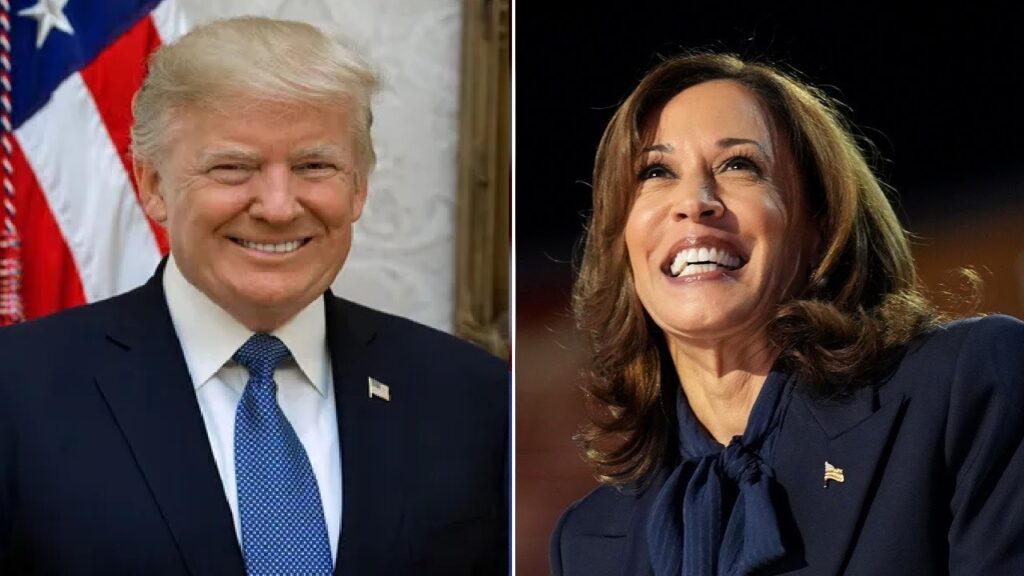
In a surprising twist in the political landscape, former President Donald Trump has taken a narrow lead over Vice President Kamala Harris in a recent poll conducted by The New York Times and Siena College. This development raises crucial questions about the upcoming elections and highlights the growing concerns about Harris’s position within the electorate. In this article, we will break down the reasons behind Trump’s lead, the challenges Harris faces, and the broader implications for the political future of the United States.

Poll Results: Trump Takes a Slight Lead

According to the poll, Trump leads Harris by one point, a razor-thin margin that speaks volumes about the current political climate. Trump’s approval rating sits at 46%, which marks a noticeable improvement compared to his standing in his previous two presidential campaigns. This is a significant indicator of Trump’s resilience, as he continues to maintain a solid base of support despite the controversies surrounding his time in office.

One of the most telling aspects of this poll is that voters see Trump as more centrist than Harris, who is perceived by nearly half of respondents as being too liberal or progressive. This perception could explain the challenges Harris is facing in broadening her appeal to the electorate, especially among moderate and undecided voters.

Kamala Harris: Struggling to Define Herself

Vice President Harris has had difficulty positioning herself as a viable candidate for the presidency, partly due to her perceived shift on key policies. During her time as a senator and even while running for vice president, Harris took firm stances on progressive issues such as Medicare for All and banning fracking. However, her recent rhetoric has appeared more moderate, leading some to accuse her of flip-flopping.

For instance, in 2019, Harris was a strong proponent of Medicare for All, but her stance has since become more nuanced, aligning with more centrist policies. Similarly, she once called for a ban on fracking, a position she no longer fully endorses. These shifts may be interpreted by some as a pragmatic approach to appeal to a broader electorate, but they also risk alienating her progressive base.

Senator Bernie Sanders, a long-time advocate for progressive policies, offered a nuanced defense of Harris’s position, stating that she is attempting to be pragmatic rather than abandoning her ideals. However, this pragmatic approach seems to be falling short with voters who feel disconnected from Harris’s policy shifts and are looking for clearer and more consistent messaging.

A Lack of Clear Policy Positions

One of the key criticisms of Harris is the lack of clear policy details on her campaign website. While she speaks about issues such as environmental justice and immigration reform, the specifics are often lacking. For example, although she has flip-flopped on fracking verbally, her campaign website does not clearly state her position on the issue. This lack of transparency and specificity may be contributing to her struggles in the polls.

The American public wants answers on important issues like healthcare, the environment, and immigration. Without clear, actionable policy proposals, Harris’s campaign risks being seen as vague and out of touch with the needs of the electorate.

Trump’s Steady Appeal: A Return to Familiar Policies?

For many voters, Trump’s appeal lies in the familiarity of his policies, especially in areas like the economy and immigration. Despite his divisive rhetoric and controversial actions during his presidency, Trump is still seen by many as a candidate for change—a return to what some voters perceive as a more stable and prosperous time.

A majority of voters in the poll indicated that they view Trump as a candidate who can bring about significant change. This perception is largely tied to the economic success of his first term, particularly in terms of lower gas prices and inflation rates. In contrast, Harris is viewed by a majority as not representing major change, which is a significant obstacle for her campaign as she seeks to define herself as a viable alternative to both Trump and the current administration.

Harris’s Challenges: A Difficult Road Ahead

One of Harris’s biggest challenges is her association with the current administration. As vice president, she is tied to President Joe Biden’s policies, and many voters are dissatisfied with the current state of the country. From inflation to immigration, the Biden administration has faced significant criticism, and Harris, as part of the administration, is struggling to distance herself from these issues.

Furthermore, there is a growing perception that Harris lacks the intellectual depth to tackle complex issues in detail, as pointed out by some critics. For example, when discussing environmental justice, she does not delve into the specifics of how her policies would address key issues like fracking or carbon emissions. This lack of depth is contributing to the narrative that Harris is not fully equipped to handle the challenges of the presidency.

The Importance of Voter Perception

One of the most striking findings in the poll is that a large percentage of voters still feel they don’t know enough about Harris. According to the data, 27% of respondents said they needed more information about her, compared to only 9% for Trump. This gap in familiarity is another hurdle for Harris’s campaign as she struggles to connect with voters on a personal level.

Moreover, 56% of voters in the poll stated that Harris does not represent significant change. This perception is a major obstacle for her campaign, as voters are looking for a candidate who can bring about real, substantive change. Trump, on the other hand, is seen as someone who can return the country to policies that many voters feel worked during his administration.

Conclusion: A Tight Race with Major Implications

The recent poll showing Trump ahead of Harris by a narrow margin is a clear indication that the political landscape is shifting. Trump’s steady appeal to his base and his ability to position himself as a candidate for change have given him a slight edge in this race. Meanwhile, Harris is struggling to define herself and her policies in a way that resonates with voters, particularly moderates and undecided individuals.

As the election draws closer, both candidates will need to refine their messaging and address the concerns of the electorate. For Harris, this means providing more clarity on her policy positions and demonstrating that she can bring about the change voters are seeking. For Trump, it means continuing to build on his strengths and capitalizing on the dissatisfaction with the current administration.

In the end, this race remains extremely tight, and the outcome will likely depend on how effectively each candidate can connect with voters in the coming months. The stakes are high, and the future of the country hangs in the balance.

Exit mobile version