Site icon Telangana NavaNirmana Sena

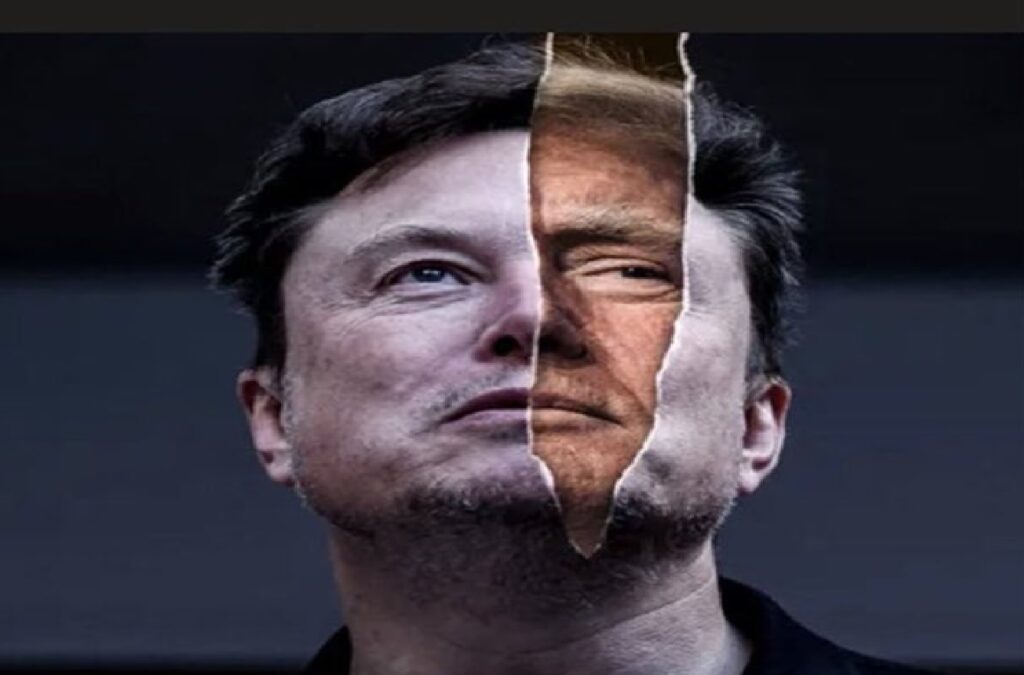
Elon Musk Contradictory Support for Donald Trump

As the U.S. approaches the pivotal 2024 presidential election, Elon Musk, one of the world’s most influential billionaires, has emerged as a significant supporter of Donald Trump’s re-election campaign. Musk’s alignment with Trump reveals a web of contradictions, particularly given his outspoken criticism of certain economic policies championed by Trump. This article explores the complex dynamics of Musk’s support, examining how his financial backing and control over social media could impact the election and raise ethical questions about the intersection of technology, influence, and democratic values. Musk’s Views on Trump’s Economic Policies Elon Musk has taken on a prominent role in advocating for Trump’s re-election, yet he has expressed doubts about key components of Trump’s economic agenda. Trump has promoted policies like tax cuts, mass deportation of undocumented immigrants, and higher tariffs on imported goods, claiming they will bolster the U.S. economy. Musk, however, has been skeptical, particularly about the economic risks associated with these policies. In response to a comment on X (formerly Twitter) in October 2024 that suggested Trump’s policies could cause an economic “overreaction” and potential market instability, Musk responded, “Sounds about right.” This short reply highlights Musk’s apprehensions regarding Trump’s approach to economic reform. Despite this apparent divergence, Musk continues to pour significant financial resources into Trump’s campaign. Over the past three months alone, Musk has donated $75 million to Trump’s re-election efforts, using X to promote the campaign and even offering financial incentives to mobilize Republican voters in key states. The Transition from Biden Supporter to Trump Advocate Musk’s shift from supporting Democrats to backing Trump is rooted in a history of tension with the Biden administration. Although he initially supported Democratic candidates and even advocated for Florida Governor Ron DeSantis as a potential challenger to Biden, Musk changed his stance as Trump emerged as the clear Republican front-runner. This shift is believed to stem from Musk’s frustration with the Biden administration’s policies, particularly those favoring unionized auto manufacturers like General Motors and Ford over Tesla, which operates without unionized labor. During Biden’s presidency, Tesla was notably excluded from White House events celebrating the progress of electric vehicles, a snub that Musk saw as a result of his non-unionized workforce. Trump’s policies, which emphasize deregulation and reduced governmental oversight, likely appeal to Musk, whose businesses—Tesla and SpaceX—have benefitted from relaxed regulatory measures in the past. Under Trump, Musk’s aerospace company SpaceX secured significant contracts with NASA and the Pentagon, thanks in part to Trump’s creation of the U.S. Space Force. Trump’s focus on strengthening America’s space industry aligns with Musk’s ambitious goals for space exploration. Financial and Ethical Questions Raised by Musk’s Support Musk’s endorsement of Trump has sparked concerns about potential ethical and legal ramifications. His financial contributions to the campaign, coupled with his control over X, position Musk as a uniquely powerful figure in this election cycle. Using X as a platform to amplify pro-Trump messaging, Musk has engaged directly with voters, leveraging his influence over digital discourse in ways that may have profound effects on younger voters, a demographic increasingly turning to social media for political information. The ethical implications of Musk’s backing extend beyond simple political affiliation. Critics argue that Silicon Valley elites, including Musk, are prioritizing personal financial interests over accountability. Musk’s alignment with Trump, who has been criticized for promoting misinformation, may set a troubling precedent. By supporting Trump, Musk risks compromising the integrity of the digital landscape he oversees, potentially contributing to an erosion of ethical standards in political discourse. Musk’s Influence on the 2024 Election and Its Potential Impact As Election Day draws near, Musk’s control over X gives him an unparalleled tool to shape public opinion. According to a recent Pew Research Center report, nearly half of U.S. adults under 30 rely on social media for political news, with X serving as a primary source. With 59% of X users actively engaging in political discussions, Musk’s platform plays a pivotal role in shaping the narrative surrounding the election. His ability to control this influential medium allows him to not only promote Trump’s campaign but also engage directly with millions of users, amplifying messages that support Trump’s re-election bid. The scope of Musk’s influence has implications not only for the outcome of the 2024 election but for the future of political engagement in the digital age. By wielding such power over social media, Musk’s endorsement of Trump signals a shift in how tech billionaires may seek to influence politics, underscoring the need for scrutiny around the role of wealth and technology in democratic processes. A Partnership of Convenience: Profit vs. Principles Musk’s partnership with Trump also reflects a broader trend among Silicon Valley elites who prioritize profit over principles. Once a supporter of Democrats, Musk’s switch to Trump’s side illustrates a willingness to overlook ethical concerns in favor of policies that benefit his business interests. Trump’s promises of reduced federal oversight and regulatory restrictions likely appeal to Musk, whose ventures have prospered under such conditions. While Musk may see Trump as an ally against the regulatory policies of the Biden administration, this relationship risks reinforcing a culture where accountability is sacrificed for financial gain. Musk’s public support for Trump and his financial backing come at a time when Silicon Valley figures are increasingly criticized for avoiding scrutiny and regulation. Critics argue that Musk’s alliance with Trump could encourage further erosion of democratic norms, as tech leaders prioritize economic gains over social responsibility. The potential impact on the tech industry, which is already facing questions about transparency and accountability, could be significant if more leaders adopt Musk’s approach. Conclusion: The Stakes of Musk’s Endorsement in the 2024 Election Elon Musk’s endorsement of Donald Trump for the 2024 presidential election encapsulates a complex intersection of personal ambition, financial gain, and political influence. As Musk channels his resources into supporting Trump, he raises crucial questions about the role of wealth in democratic processes. His control over X provides an unprecedented avenue for influencing public opinion, particularly among younger voters, underscoring the profound implications of his involvement in the election. As the U.S. heads toward one of its most consequential elections, Musk’s support for Trump challenges the ethical boundaries of tech moguls in politics. With his substantial financial influence and social media power, Musk’s alignment with Trump could alter the political landscape in lasting ways, bringing new scrutiny to the interplay of technology, wealth, and democracy. Opinions expressed in this article reflect the author’s views and do not necessarily align with editorial policy.

With the 2024 U.S. presidential election looming, one of the world’s richest billionaires, Elon Musk, has become an important backer of Donald Trump’s re-election bid. Musk’s marriage of politics and personality with Trump exposes a set of inconsistencies, especially considering Musk’s outspoken denouncements of some of the economic policies that Trump himself elevates. This piece delves into the intricacies of Musk’s support, analyzing the potential implications of his financial investment in the election and his influence over potential influence this seems to hold, and explore ethical concerns around the merger of technological power, control, and democratic interests.

Musk’s Views on Trump’s Economic Policies

Even as Elon Musk has become a leading booster of Trump’s re-election campaign, he has voiced skepticism about the linchpins of Trump’s economic plan. Focusing on just the economy, Trump has touted tax cuts, mass deportation of undocumented immigrants and increased tariffs on imports as ways to strengthen the U.S. economy. But Musk has expressed doubt, especially on the economic threats of these policies. When a comment on X (the service formerly known as Twitter) in October 2024 said Trump’s policies could lead to an economic “overreaction” and potential “market chaos,” Musk replied, “Sounds about right” Musk has expressed misgivings Trump’s style of economic restructuring, which is distilled perfectly into this succinct answer.

However, Musk doesn’t seem to be letting this mild disagreement stop him from sending large amounts of money to Trump’s camp. In just the past three months, Musk has contributed $75 million to Trump’s re-election campaign, has utilized X to boost his campaign and has also provided cash incentives to spark Republican voter turnout in specific states.

Going from a Biden supporter to a Trump proponent

Having previously supported Democrats, Musk’s turn towards Trump is preceded by a much-publicized friction with the Biden administration. Musk voted for Democratic candidates and had even pushed for Florida Gov. Ron DeSantis as a potential Biden challenger until Trump became the Republican consensus front-runner. The shift is thought to have been partially inspired by Musk’s disgruntlement with Biden-era economics that support unionized auto makers (like General Motors and Ford) but not non-unionized Tesla.

Tesla accidentally gained attention when the White House struggled to explain why it was allowing Tesla to avoid attending electric car celebrations under Biden, which was rebuffed by Musk who claimed it was due to the non-unionized nature of the work force. Contemplating the scenarios, pro-Trump policies surrounding deregulation and diminished governmental oversight are probably up Musk’s alley as his companies, Tesla and SpaceX have seen the benefits an easing of regulatory policies bring with it. Musk’s aerospace firm SpaceX won big NASA and Pentagon deals during the Trump administration, partially ringed over Trump’s establishment of the U.S. Space Force. Trump’s emphasis on bolstering the national space sector dovetails perfectly with Musk’s vision of galactic grandeur.

Questions About the Finances and Ethics of Musk’s Backing

The endorsement of Trump by Musk has also raised eyebrows about the legal and ethical implications. Musk also looms larger than any previous heavy hitter in this election cycle simply because his contributions to the campaign itself, funneling endless doses of cash into the campaign through his connections, combined with the control he wields as owner of X. Musk himself has used X to amplify pro-Trump messaging

As Election Day draws near, Musk’s control over X gives him an unparalleled tool to shape public opinion. According to a recent Pew Research Center report, nearly half of U.S. adults under 30 rely on social media for political news, with X serving as a primary source. With 59% of X users actively engaging in political discussions, Musk’s platform plays a pivotal role in shaping the narrative surrounding the election. His ability to control this influential medium allows him to not only promote Trump’s campaign but also engage directly with millions of users, amplifying messages that support Trump’s re-election bid.

The scope of Musk’s influence has implications not only for the outcome of the 2024 election but for the future of political engagement in the digital age. By wielding such power over social media, Musk’s endorsement of Trump signals a shift in how tech billionaires may seek to influence politics, underscoring the need for scrutiny around the role of wealth and technology in democratic processes.

A Partnership of Convenience: Profit vs. Principles

Musk’s partnership with Trump also reflects a broader trend among Silicon Valley elites who prioritize profit over principles. Once a supporter of Democrats, Musk’s switch to Trump’s side illustrates a willingness to overlook ethical concerns in favor of policies that benefit his business interests. Trump’s promises of reduced federal oversight and regulatory restrictions likely appeal to Musk, whose ventures have prospered under such conditions. While Musk may see Trump as an ally against the regulatory policies of the Biden administration, this relationship risks reinforcing a culture where accountability is sacrificed for financial gain.

Musk’s public support for Trump and his financial backing come at a time when Silicon Valley figures are increasingly criticized for avoiding scrutiny and regulation. Critics argue that Musk’s alliance with Trump could encourage further erosion of democratic norms, as tech leaders prioritize economic gains over social responsibility. The potential impact on the tech industry, which is already facing questions about transparency and accountability, could be significant if more leaders adopt Musk’s approach.

Conclusion: The Stakes of Musk’s Endorsement in the 2024 Election

Elon Musk’s endorsement of Donald Trump for the 2024 presidential election encapsulates a complex intersection of personal ambition, financial gain, and political influence. As Musk channels his resources into supporting Trump, he raises crucial questions about the role of wealth in democratic processes. His control over X provides an unprecedented avenue for influencing public opinion, particularly among younger voters, underscoring the profound implications of his involvement in the election.

As the U.S. heads toward one of its most consequential elections, Musk’s support for Trump challenges the ethical boundaries of tech moguls in politics. With his substantial financial influence and social media power, Musk’s alignment with Trump could alter the political landscape in lasting ways, bringing new scrutiny to the interplay of technology, wealth, and democracy.

Opinions expressed in this article reflect the author’s views and do not necessarily align with editorial policy.

Exit mobile version