


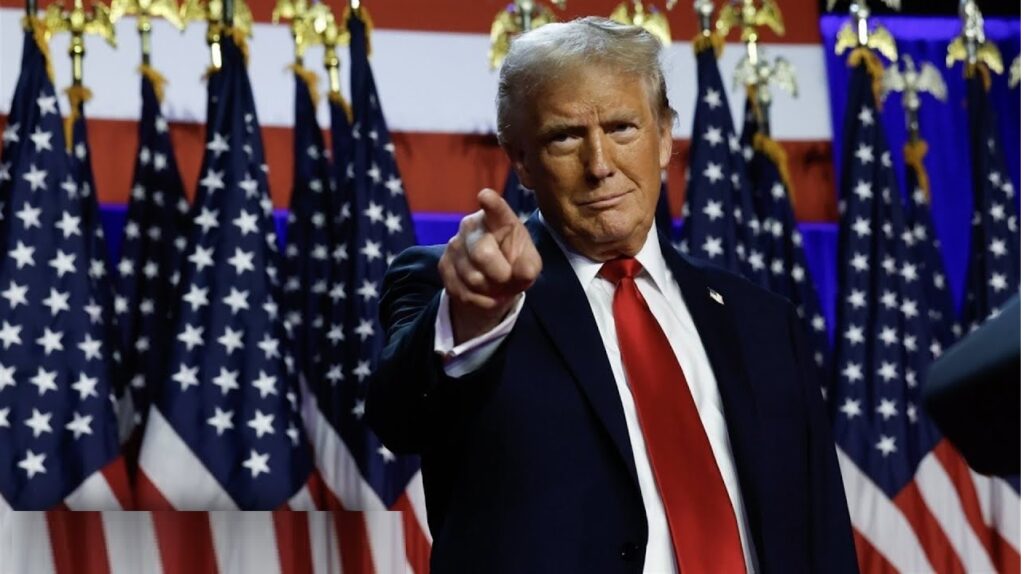
The recent election results in the U.S. sparked intense emotions across the political spectrum, with celebrations on one side and dismay on the other. The victory of Donald Trump has caused many left-leaning publications and figures to express frustration and anger. For liberals, the outcome serves as a call to reflect on the strategies and approaches that may have alienated key voter segments. Below, we explore ten key reasons for Trump’s success and why liberal parties, both in the U.S. and globally, need to take note.
1. Emotional Connection with Everyday Concerns
Many American voters are more concerned with daily issues like job security, inflation, and immigration than with abstract ideological discussions. Trump’s messaging resonated with people who felt that the Democratic Party overlooked their daily struggles, focusing instead on moral and ideological stances that didn’t directly address voters’ needs.
2. Trump’s Authenticity vs. Kamala Harris’s Calculated Image
Trump’s unfiltered, sometimes brash persona appeals to voters who see him as genuine, even if controversial. In contrast, Kamala Harris’s public image was seen as overly managed and carefully choreographed, making it hard for voters to feel a real connection. Americans tend to prefer leaders they perceive as strong and authentic rather than carefully polished.
3. Lack of a Compelling Liberal Vision
While Trump promoted a strong “Make America Great Again” vision, the Democrats failed to present a similarly compelling narrative. Campaigns focused on factual data and policy achievements often fail to inspire voters emotionally, which is essential in a competitive political landscape.
4. Strategic Media Outreach and New Platforms
Trump’s campaign embraced alternative media, engaging popular podcasters and influencers to bypass mainstream media. This approach allowed Trump to directly reach younger audiences, especially young men, who may feel disconnected from traditional Democratic messaging. The Democrats’ reluctance to embrace new media left them disconnected from key segments of the electorate.
5. Strong Messaging on Immigration
Illegal immigration has been a significant concern for many Americans. Trump’s campaign effectively leveraged this issue, framing it as a threat to national security. In contrast, the Democrats were seen as lacking clear solutions, which left them vulnerable to criticism and allowed Trump to gain support by promising strict immigration policies.
6. Resistance to Woke Culture
Cancel culture and “woke” ideologies have alienated some voters who feel that freedom of speech is being stifled. This sentiment extends to sectors of the population who may support liberal values but feel the left has become too extreme in its approach to social issues, pushing some voters toward Trump’s camp, which opposes these cultural movements.
7. Economic Concerns and Inflation
Though Democrats pointed to economic indicators showing low unemployment and overall growth, many Americans still felt the impact of inflation, high rents, and increased grocery prices. Trump’s campaign tapped into this discontent, emphasizing these economic challenges and promising to address them more effectively.
8. The Failure of Unity in the Democratic Party
Internal divisions within the Democratic Party, including those between establishment figures and progressive candidates like Bernie Sanders, highlight the party’s struggle to unite around a clear message. Sanders had popular ideas, such as universal healthcare and affordable education, which resonated with working-class voters, but the party’s reluctance to embrace them may have cost them support.
9. Voters Disenchanted with “Woke” Identity Politics
Liberal parties’ recent focus on identity politics has led some voters to feel alienated. Voters may support diversity but feel that issues of gender identity and other social justice themes receive disproportionate attention compared to pressing economic and social issues. Trump’s approach, which downplays these topics, resonates with voters who prioritize a more unified national identity.
10. Lack of Strong Candidates and Strategies Globally
This U.S. election parallels trends seen in other countries where right-wing parties have gained popularity. Liberal parties worldwide are struggling to connect with everyday voters who feel that their values are underrepresented. Until liberal parties address their disconnect with the broader electorate, the trend toward right-wing victories is likely to continue.
In conclusion, Trump’s success highlights the importance of addressing core voter concerns directly and authentically. The lessons here extend beyond the U.S. Liberals worldwide must recognize the need to build stronger connections with voters’ daily realities, adopt a clear and compelling vision, and balance ideology with practical solutions if they hope to counteract the rise of right-wing politics.